TL;DR: Blue light, a segment of the visible light spectrum emitted by both the sun and digital screens, can contribute to premature skin aging, hyperpigmentation, and collagen degradation. While traditional SPFs primarily target UV rays, next-generation broad-spectrum mineral sunscreens, especially those tinted with iron oxides and fortified with antioxidants, offer enhanced protection specifically against blue light.
Introduction
In 2026, as our lives become increasingly digital and our understanding of skin health evolves, the conversation around blue light and its impact on our skin is more critical than ever. We’re all familiar with the imperative of daily SPF, but does that trusted tube truly shield us from every modern environmental aggressor, particularly the glow emanating from our screens?
What Exactly is Blue Light and Where Does it Come From?
Blue light, scientifically known as High-Energy Visible (HEV) light, is part of the visible light spectrum, which is the segment of the electromagnetic spectrum that the human eye can see. Unlike invisible ultraviolet (UV) rays, blue light is distinctly visible and characterized by its short wavelength and high energy. Think of a rainbow: blue light sits at the violet-blue end of that spectrum, just before UV light.
The primary source of blue light, by a significant margin, is the sun. Sunlight bathes us in a full spectrum of light, including a substantial amount of HEV light. However, in our modern world, we’re also exposed to considerable amounts of blue light from artificial sources. These include LED lighting, fluorescent lights, and, most notably, the digital screens of our smartphones, tablets, computers, and televisions. While the intensity of blue light from a single screen is far less than that from the sun, the cumulative, prolonged exposure from these devices, often at close range, has raised valid concerns among dermatologists and skincare researchers.
How Does Blue Light Affect My Skin?
The impact of blue light on skin is a burgeoning area of research, but current evidence suggests several concerning effects, primarily stemming from its ability to penetrate deeper into the skin than UV light. This deeper penetration means it can reach the dermis, where collagen and elastin reside, potentially leading to a cascade of issues:
- Oxidative Stress and Free Radical Damage: Blue light generates reactive oxygen species (ROS), or free radicals, within the skin. These unstable molecules damage healthy skin cells, lipids, and proteins, including collagen and elastin. This oxidative stress is a major contributor to premature skin aging, manifesting as fine lines, wrinkles, and loss of firmness.
- Hyperpigmentation: Studies indicate that blue light can exacerbate hyperpigmentation, particularly in individuals with darker skin tones or those prone to melasma or post-inflammatory hyperpigmentation (PIH). It can trigger melanocytes (pigment-producing cells) to produce more melanin, leading to stubborn dark spots and uneven skin tone. This is a significant concern for many women in the US seeking an even complexion.
- Collagen and Elastin Degradation: By inducing oxidative stress, blue light can directly or indirectly lead to the breakdown of collagen and elastin fibers. These proteins are crucial for maintaining the skin’s structure, elasticity, and youthful bounce. Their degradation contributes to sagging skin and the formation of wrinkles over time.
- Impaired Skin Barrier Function: Some research suggests that chronic blue light exposure might subtly compromise the skin barrier, making it more susceptible to environmental aggressors and moisture loss. A healthy skin barrier, a major focus in 2026 skincare, is crucial for overall skin health and resilience.
While the sun remains the most significant source of damaging light, understanding the cumulative effect of daily digital exposure is essential for a comprehensive skincare strategy.
Does My Current SPF Offer Any Blue Light Protection?
This is the million-dollar question for many skincare enthusiasts. The short answer is: it depends, but traditional SPFs designed primarily for UV protection may fall short. Here’s why:
UV vs. Visible Light Protection: SPF, or Sun Protection Factor, is a measure specifically of how well a sunscreen protects against UVB rays, which are the primary cause of sunburn. “Broad-spectrum” indicates protection against both UVB and UVA rays, which contribute to aging and skin cancer. However, neither SPF nor broad-spectrum inherently guarantees protection against visible light, including blue light. UV light spans 290-400 nm, while visible light spans 400-700 nm, with blue light specifically in the 400-500 nm range.
Chemical Sunscreens: Most chemical sunscreens (e.g., oxybenzone, avobenzone, octinoxate) work by absorbing UV radiation and converting it into heat. While highly effective against UV, they typically do not absorb or reflect visible light, meaning they offer minimal, if any, direct protection against blue light.
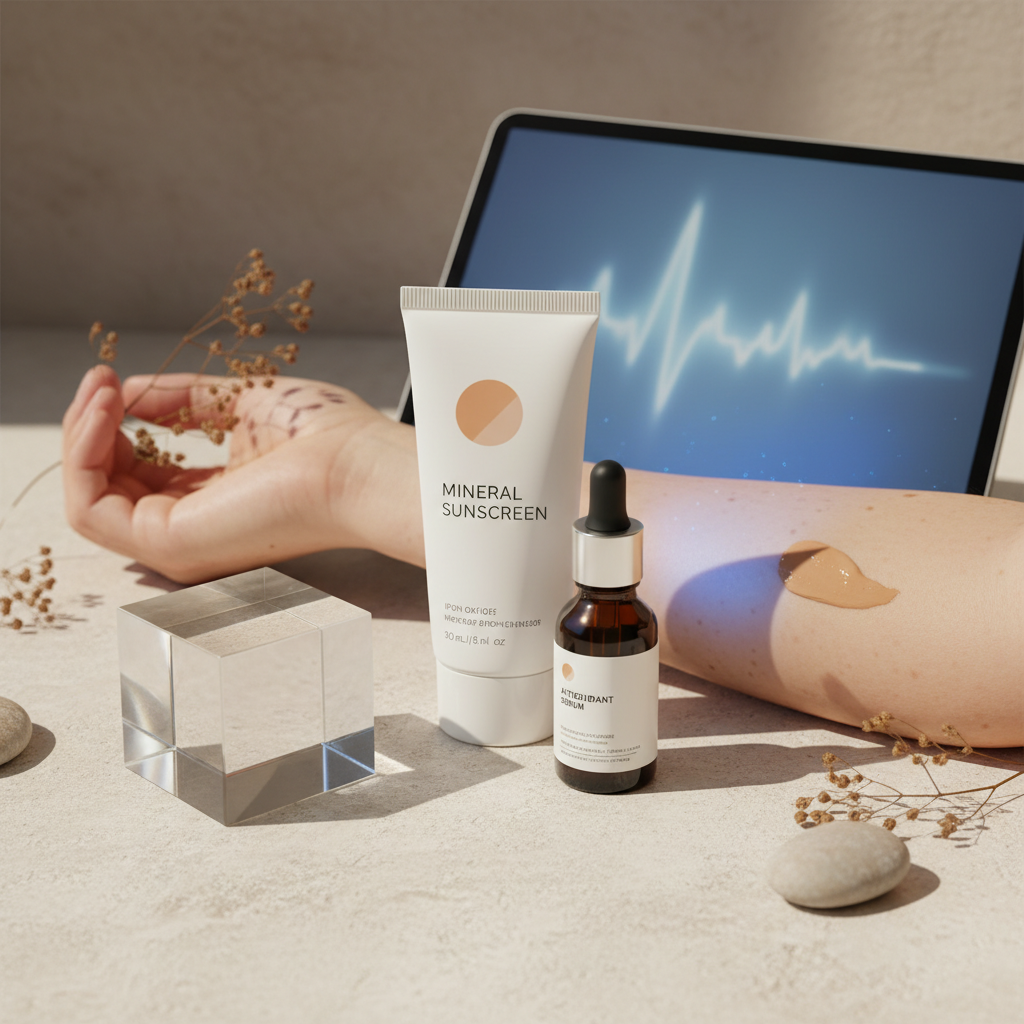
Mineral Sunscreens: Mineral sunscreens, containing zinc oxide and titanium dioxide, work by physically blocking and scattering UV radiation. They are broad-spectrum by nature, offering excellent protection against UVA and UVB. Crucially, these physical blockers can also scatter a portion of visible light, including blue light, especially when formulated with larger particle sizes or when tinted. For example, a sunscreen with a slight tint often contains iron oxides, which are highly effective at blocking visible light.
“While mineral sunscreens inherently offer a degree of visible light protection due to their physical barrier properties, it’s the addition of specific ingredients like iron oxides and potent antioxidants that truly elevates a formula to comprehensive blue light defense.” – Dermatologist consensus, 2026.
So, while any broad-spectrum SPF is better than none, if blue light protection is a priority, you need to look beyond just the SPF number and “broad-spectrum” claim.
Which SPF Ingredients Are Best for Blue Light Defense?
When seeking SPF products that offer robust blue light protection, you’ll want to prioritize specific ingredients that either physically block visible light or neutralize the oxidative stress it causes. Here’s what to look for:
- Mineral Filters (Zinc Oxide & Titanium Dioxide): These are the foundation of blue light protective SPFs. As physical blockers, they create a barrier on the skin’s surface. Zinc oxide provides superior broad-spectrum protection, encompassing UVA, UVB, and a significant portion of visible light. Titanium dioxide complements this, particularly for UVB and some UVA. Look for non-nano formulations if particle size is a concern, though modern formulations are generally safe and effective.
- Iron Oxides: This is a game-changer for visible light protection. Iron oxides are the pigments that give tinted sunscreens their color (yellow, red, black, brown). They are incredibly effective at absorbing and scattering visible light, including blue light, making them essential for comprehensive protection, especially for individuals prone to hyperpigmentation like melasma. Many dermatologists now recommend tinted mineral SPFs for their patients.
- Antioxidants (e.g., Vitamin C, Niacinamide, Ferulic Acid, Vitamin E, Green Tea Extract): Since blue light primarily causes damage through oxidative stress, incorporating antioxidants into your SPF or layering them underneath is crucial.
- Vitamin C (L-Ascorbic Acid): A powerful antioxidant that neutralizes free radicals, brightens skin, and boosts collagen production. It’s often paired with Vitamin E and Ferulic Acid for enhanced stability and efficacy.
- Niacinamide (Vitamin B3): A versatile active that helps strengthen the skin barrier, reduces inflammation, minimizes pore appearance, and offers antioxidant benefits. It’s excellent for all skin types, including sensitive skin.
- Ferulic Acid: A plant-based antioxidant that enhances the stability and efficacy of other antioxidants, especially Vitamin C and E, against free radical damage.
- Vitamin E (Tocopherol): A fat-soluble antioxidant that protects cell membranes from oxidative damage.
- Green Tea Extract: Rich in polyphenols, offering potent antioxidant and anti-inflammatory properties.
- Emerging Ingredients (e.g., Lutein, Zeaxanthin): These carotenoids are naturally found in the eye and are being explored for their ability to filter blue light and provide antioxidant protection in topical formulations. Keep an eye out for these in advanced 2026 formulations.
Beyond SPF: What Other Skincare Can Help Protect Against Blue Light?
While SPF is your frontline defense, a holistic approach to blue light protection involves incorporating other strategic skincare actives and practices:
- Potent Antioxidant Serums: Layering a dedicated antioxidant serum under your SPF is a powerful strategy. Look for formulas rich in Vitamin C, Ferulic Acid, Vitamin E, Astaxanthin, or Pycnogenol. These serums work by neutralizing the free radicals that blue light generates, providing an internal shield. Applying a high-quality Vitamin C serum in the morning is a fundamental step for comprehensive daily protection.
- Skin Barrier Support: A strong, healthy skin barrier is your first line of defense against all environmental aggressors, including blue light. Products rich in ceramides, hyaluronic acid, and peptides help reinforce the barrier, improve hydration, and enhance skin resilience.
- Ceramides: Essential lipids that make up a significant portion of the skin barrier, locking in moisture and protecting against irritants.
- Hyaluronic Acid: A humectant that draws moisture into the skin, plumping it and supporting barrier function.
- Peptides: Short chains of amino acids that signal the skin to produce more collagen, elastin, and other vital proteins, improving firmness and repair processes.
- Retinoids (Retinal vs. Retinol): While not direct blue light blockers, retinoids like retinaldehyde (retinal) and retinol play a crucial role in repairing existing damage and building skin resilience. They stimulate cell turnover, boost collagen production, and improve overall skin health, making the skin better equipped to withstand environmental stress. Retinal, a 2026 trend, is a step closer to retinoic acid than retinol, often offering faster results with less irritation. Use these at night to avoid photosensitivity.
- AHAs/BHAs (Alpha and Beta Hydroxy Acids): Ingredients like glycolic acid (AHA) and salicylic acid (BHA) help exfoliate dead skin cells, promoting a healthier, more radiant complexion. While not direct blue light protectors, improving skin turnover can help shed damaged cells and allow other protective ingredients to penetrate more effectively.
Integrating Blue Light Protection Into Your 2026 Skincare Routine
Building a robust defense against blue light doesn’t require a complete overhaul, but rather a strategic integration of products and habits. Here’s how to optimize your routine for 2026:
- Morning Antioxidant Serum: Start your day with a high-potency Vitamin C serum, ideally combined with Ferulic Acid and Vitamin E. Apply to clean, dry skin before other serums or moisturizers.
- Tinted Mineral SPF with Iron Oxides: This is your cornerstone. Opt for a broad-spectrum mineral sunscreen (zinc oxide, titanium dioxide) that is visibly tinted. This tint often signifies the presence of iron oxides, providing superior visible light protection. Apply generously as the last step in your morning routine.
- Consistent Reapplication: Sunscreen reapplication science in 2026 emphasizes the importance of reapplying every 2-3 hours, especially if you’re outdoors or spending extended time in front of screens. Consider SPF mists or powders for easy touch-ups over makeup.
- Barrier-Supporting Moisturizer: Use a moisturizer rich in ceramides, hyaluronic acid, or peptides to keep your skin barrier strong and resilient against environmental stressors.
- Nighttime Retinoid: Incorporate a retinal or retinol product into your evening routine to repair damage, boost collagen, and enhance overall skin health. Start slowly if new to retinoids.
- Lifestyle Adjustments: Beyond topicals, consider practical steps like using blue light filters on your devices, taking screen breaks, and ensuring adequate sleep (which blue light can disrupt).
Comparing Blue Light Protection Strategies
| Strategy | Primary Actives/Ingredients | Benefits for Blue Light | Best For | Considerations |
|---|---|---|---|---|
| Dedicated Antioxidant Serum | Vitamin C, Ferulic Acid, Vitamin E, Niacinamide | Neutralizes free radicals, brightens, boosts collagen. | All skin types, especially those concerned with aging & dullness. | Must be layered under SPF; can be unstable (Vitamin C). |
| Tinted Mineral SPF with Iron Oxides | Zinc Oxide, Titanium Dioxide, Iron Oxides | Physical block of visible light & UV, prevents hyperpigmentation. | All skin types, crucial for melasma-prone or sensitive skin. | May leave a slight tint; some prefer non-tinted for layering. |
| Barrier-Supporting Moisturizer | Ceramides, Hyaluronic Acid, Peptides | Strengthens skin’s natural defenses, improves resilience. | Dry, sensitive, or compromised skin barrier. | Indirect protection; complements direct blockers. |
| Nighttime Retinoid (Retinal/Retinol) | Retinaldehyde, Retinol | Repairs existing damage, boosts collagen, builds resilience. | Mature skin, acne-prone, hyperpigmentation concerns. | Use at night only; can cause initial irritation; not a direct blocker. |
Frequently Asked Questions
Do blue light blocking glasses help my skin?
While blue light blocking glasses are primarily designed to reduce eye strain and improve sleep by filtering blue light before it reaches your eyes, they offer no direct protection for your skin. Your skin, particularly on your face and décolletage, remains exposed. For skin protection, topical solutions are necessary.
Is blue light from my phone worse than from the sun?
No, blue light from the sun is significantly more intense and damaging than blue light from digital screens. The sun is the primary source of HEV light exposure. However, prolonged and close-range exposure to screens can contribute to cumulative damage, especially for individuals with existing hyperpigmentation issues like melasma. It’s about cumulative exposure rather than individual intensity.
How often should I reapply blue light protective SPF?
The general dermatologist consensus, reinforced by 2026 research on sunscreen efficacy, recommends reapplying broad-spectrum SPF every two hours, or more frequently if sweating heavily or swimming. This recommendation holds true for blue light protective SPFs as well, as their efficacy can diminish over time due to environmental factors and product breakdown.
Are there specific blue light protective products for oily or sensitive skin types?
Absolutely. For oily skin, look for lightweight, non-comedogenic mineral SPFs that are oil-free and may contain mattifying ingredients like silica. For sensitive skin, mineral sunscreens (zinc oxide, titanium dioxide) are often preferred over chemical filters, as they are less likely to cause irritation. Ensure products are fragrance-free and formulated with soothing ingredients like niacinamide or ceramides.
Can blue light devices used for acne treatment cause damage?
Blue light devices used in dermatology and at-home tools for acne treatment typically use specific wavelengths of blue light (often around 415nm) to target and kill P. acnes bacteria. These devices are generally considered safe when used as directed, as their purpose is therapeutic and controlled. This differs significantly from broad-spectrum, high-intensity blue light exposure from the sun or prolonged screen time, which is what we’re discussing as a concern for general skin aging and pigmentation.
Conclusion
As we navigate the digital age, understanding blue light’s impact on our skin is paramount. While traditional SPFs provide essential UV defense, a truly comprehensive skincare routine in 2026 must also address HEV light. By strategically incorporating tinted mineral sunscreens with iron oxides and layering with powerful antioxidant serums, you can build a formidable shield against blue light, safeguarding your skin’s health, radiance, and youthful vitality for years to come.