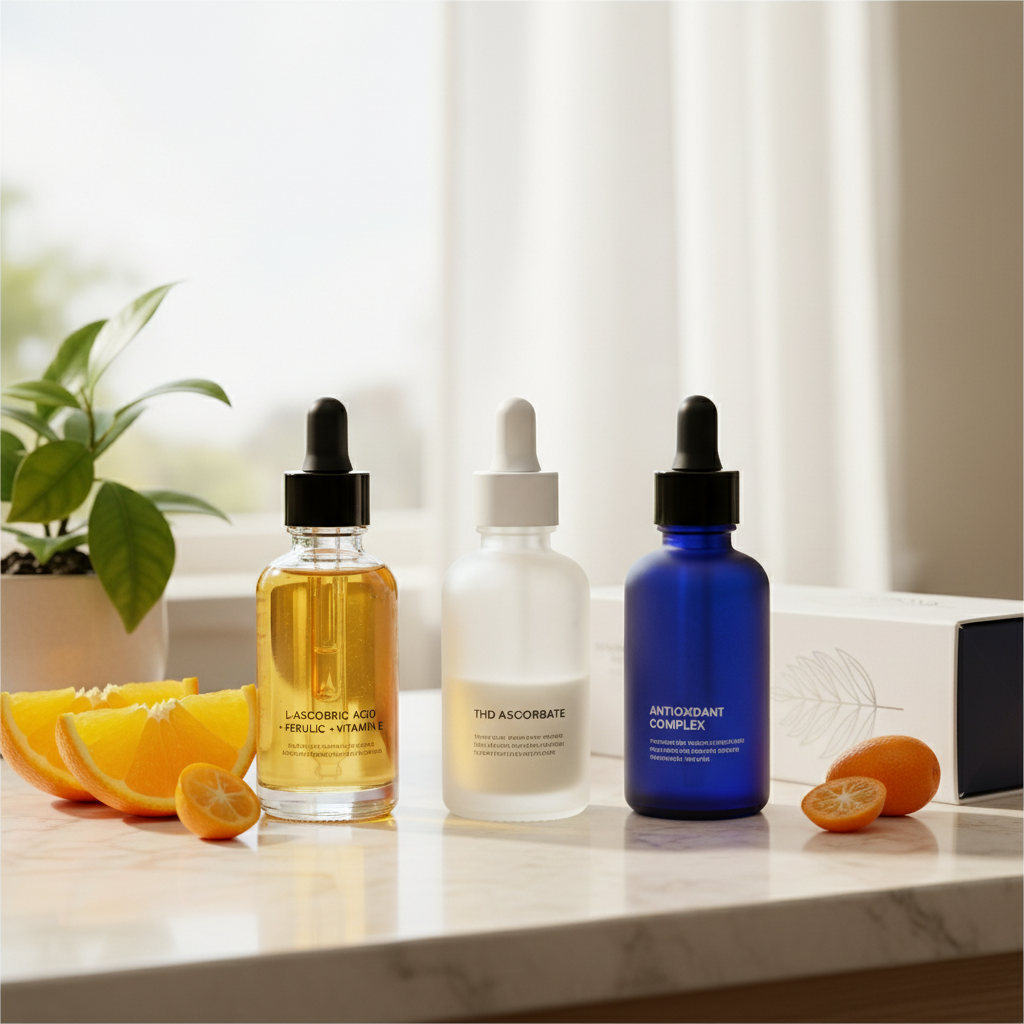
For brighter, more even-toned skin in 2026, our top Vitamin C serum picks focus on stable, effective formulations that deliver potent antioxidant protection and collagen-boosting benefits. Look for serums with L-Ascorbic Acid paired with ferulic acid and vitamin E for maximum efficacy, or gentle THD Ascorbate options for sensitive skin, ensuring they are packaged to maintain stability.
Introduction
In the ever-evolving world of skincare, few ingredients stand the test of time and scientific scrutiny quite like Vitamin C. As we navigate 2026, the demand for truly effective, evidence-backed solutions for brighter, healthier skin is higher than ever. SkincareNA’s editors have meticulously reviewed the latest advancements and formulations to bring you our top choices for Vitamin C serums that promise to illuminate your complexion and combat environmental stressors.
What Makes Vitamin C So Essential for Brighter Skin in 2026?
Vitamin C, specifically L-Ascorbic Acid (LAA), remains the gold standard for its multi-faceted benefits. It’s a powerful antioxidant, neutralizing free radicals generated by UV radiation and pollution, which are primary drivers of premature aging and dullness. Beyond its protective role, Vitamin C is crucial for collagen synthesis, helping to improve skin elasticity and firmness. It also plays a significant role in inhibiting melanin production, making it incredibly effective at reducing hyperpigmentation, dark spots, and promoting a more even, radiant skin tone. Other forms like THD Ascorbate and Magnesium Ascorbyl Phosphate offer stability and gentleness, providing excellent alternatives for various skin needs.
How Do I Choose the Right Vitamin C Serum for My Skin Type?
Selecting the ideal Vitamin C serum is a personalized journey. Understanding your skin type and concerns is the first step towards unlocking its full potential.
For Oily or Acne-Prone Skin
If your skin tends to be oily or experiences breakouts, opt for lighter, water-based serums. L-Ascorbic Acid in concentrations of 10-15% can be highly effective without feeling heavy. Look for formulas that are non-comedogenic and perhaps include complementary actives like niacinamide to help regulate oil production and reduce inflammation, or salicylic acid to gently exfoliate pores.
For Dry or Mature Skin
Dry and mature skin types benefit from more hydrating formulas. Consider serums containing lipid-soluble forms of Vitamin C, such as THD Ascorbate, which can penetrate deeper and are often less irritating. These formulations frequently include nourishing ingredients like hyaluronic acid for intense hydration, ceramides to support the skin barrier, and peptides to further boost collagen production and firmness.
For Sensitive Skin
Sensitive skin requires a gentle approach. Start with lower concentrations of Vitamin C, typically 5-10%, or opt for a gentler derivative like Magnesium Ascorbyl Phosphate or THD Ascorbate. These forms are less acidic than L-Ascorbic Acid, reducing the risk of irritation. Always patch test a new product, and look for formulas free from fragrance, essential oils, and excessive drying alcohols.
For Combination Skin
Combination skin can be tricky, often requiring a balanced approach. A well-formulated L-Ascorbic Acid serum at a moderate concentration (10-15%) can work well across different zones. Alternatively, you might consider a THD Ascorbate serum for overall balance, ensuring it provides hydration without exacerbating oiliness in the T-zone.
Which Active Ingredients Pair Best with Vitamin C for Enhanced Results?
The magic of Vitamin C is amplified when strategically combined with other powerhouse ingredients. Understanding these synergies can elevate your skincare routine.
- Vitamin E & Ferulic Acid: This trio is the ultimate antioxidant cocktail. Vitamin E is another potent antioxidant, while ferulic acid stabilizes both Vitamin C and E, enhancing their photoprotective benefits against UV damage. This combination is a dermatologist favorite for comprehensive environmental defense.
- Hyaluronic Acid: A humectant that draws moisture into the skin, hyaluronic acid provides essential hydration without interfering with Vitamin C’s efficacy. It helps plump the skin, making it an excellent pairing for all skin types, especially dry or dehydrated complexions.
- Niacinamide (Vitamin B3): Often feared to interact negatively with Vitamin C, modern formulations and application science confirm that niacinamide and Vitamin C can be used together effectively. Niacinamide strengthens the skin barrier, reduces redness, and minimizes pore appearance. When layered correctly (Vitamin C first, then niacinamide, or using well-formulated products that combine them), they offer complementary benefits.
- Retinoids (Retinol, Retinal, Tretinoin): While Vitamin C is best applied in the morning for antioxidant protection, retinoids are typically used at night for cell turnover and collagen stimulation. When used at separate times, they form a powerful anti-aging regimen. Retinol is a Vitamin A derivative that encourages cell renewal, while retinal (retinaldehyde) is a more potent precursor to retinoic acid, offering faster results with less irritation than prescription tretinoin.
- Peptides: These short chains of amino acids act as messengers, signaling the skin to produce more collagen, elastin, and other vital proteins. When combined with Vitamin C, peptides contribute to improved skin firmness and reduced appearance of fine lines.
- Mineral SPF (Zinc Oxide, Titanium Dioxide): This is non-negotiable. Vitamin C provides internal antioxidant protection, but a broad-spectrum mineral SPF is your external shield against UV radiation. Together, they offer comprehensive defense against photoaging and hyperpigmentation. Zinc oxide and titanium dioxide are FDA-approved physical blockers that sit on the skin’s surface, reflecting UV rays.
- Ceramides: These lipids are essential components of the skin barrier. Pairing ceramides with Vitamin C helps fortify the skin’s natural defenses, reducing sensitivity and supporting overall skin health, particularly for dry or compromised barriers.
2026 Editor’s Choices: Top Vitamin C Serums
Our editors have scoured the market for the most innovative and effective Vitamin C serums available in 2026, considering stability, ingredient synergy, and suitability for various skin types. Here are some of our top picks, representing a range of formulations from trusted brands.
| Product Name (Archetype) | Key Vitamin C Form | Other Key Actives | Best For | Why We Love It |
|---|---|---|---|---|
| Advanced Brightening C-Ferulic Serum | 15% L-Ascorbic Acid | Vitamin E, Ferulic Acid, Hyaluronic Acid | All skin types, especially normal to oily; anti-aging & brightening | The gold standard. This potent blend offers unparalleled antioxidant protection and collagen support. Its water-light texture absorbs quickly, making it ideal for morning use under SPF. A fantastic prestige option for those prioritizing maximum efficacy and dermatologist-backed science. |
| Gentle Radiance THD Serum | 10% THD Ascorbate | Ceramides, Squalane, Peptides | Dry, sensitive, or mature skin; barrier support & gentle brightening | A luxurious, hydrating option that delivers powerful brightening without irritation. THD Ascorbate is incredibly stable and lipid-soluble, ensuring deep penetration. Excellent for strengthening the skin barrier while promoting a luminous glow. A great choice if you find LAA too potent. |
| Daily Glow Vitamin C+Niacinamide | 10% Magnesium Ascorbyl Phosphate | Niacinamide, Green Tea Extract | Sensitive, combination, or acne-prone skin; redness & texture improvement | This drugstore gem offers a stable, non-irritating form of Vitamin C paired with niacinamide to tackle multiple concerns. It reduces inflammation, evens skin tone, and supports a healthy barrier. An accessible and effective choice for consistent daily use. |
| Pure L-Ascorbic Acid Booster Powder | 100% L-Ascorbic Acid Powder | None (mix-in formula) | Experienced users, DIY enthusiasts; customizable potency & freshness | For those who value ultimate freshness and control. This powder can be mixed into your favorite serum or moisturizer right before application, ensuring maximum potency. Requires careful handling and formulation understanding, but offers a unique, customizable experience. |
What Are the Key Factors to Consider When Buying a Vitamin C Serum?
Beyond the active ingredients, several practical considerations impact a Vitamin C serum’s effectiveness and your overall experience.
- Concentration: For L-Ascorbic Acid, aim for 10-20%. Lower concentrations might not be effective enough, while higher ones (above 20%) can increase irritation without significantly boosting benefits. For derivatives, effective concentrations can vary.
- Packaging: Vitamin C, especially L-Ascorbic Acid, is highly unstable and degrades when exposed to light, air, and heat. Always choose serums in opaque, airtight containers (pump bottles or droppers that minimize air exposure) to preserve potency.
- pH Level: For L-Ascorbic Acid to penetrate the skin effectively, the formula’s pH should ideally be between 2.5 and 3.5. This ensures the acid is in its most bioavailable form.
- Stability & Shelf Life: A well-formulated Vitamin C serum should remain stable for at least 6-12 months once opened. Pay attention to the PAO (Period After Opening) symbol on the packaging. Discard if it turns dark orange or brown, indicating oxidation.
- Ingredient List: Always scrutinize the full ingredient list. Look for beneficial additions and avoid potential irritants like excessive fragrance, dyes, or denatured alcohol, especially if you have sensitive skin.
- Texture and Feel: Consider whether you prefer a watery serum, a slightly thicker gel, or a creamy emulsion. This impacts how it layers with your other products and your overall sensory experience.
- Brand Reputation & Third-Party Testing: Opt for brands known for their transparency, scientific research, and commitment to quality. While we can’t fabricate study citations, reputable brands often provide information about their stability testing and ingredient sourcing.
How Do I Incorporate Vitamin C Serum into My 2026 Skincare Routine?
For optimal results, Vitamin C serum is best applied in the morning after cleansing and toning. Its antioxidant properties work synergistically with your sunscreen to provide enhanced protection against environmental damage. Apply a few drops to your face and neck, gently pressing it into the skin, then follow with your moisturizer and, critically, a broad-spectrum mineral SPF. The 2026 focus on sunscreen reapplication science reminds us that even with a strong morning routine, reapplying SPF throughout the day, especially after sweating or swimming, is vital. Remember to prioritize a healthy skin barrier by not over-exfoliating and incorporating ceramides or hyaluronic acid as needed.
Frequently Asked Questions
Can I use Vitamin C with Retinol/Retinal?
Yes, absolutely! The key is timing. Apply your Vitamin C serum in the morning to leverage its antioxidant and protective benefits. Save your retinol or retinal product for your nighttime routine. This ensures both potent actives work effectively without potential degradation or increased irritation, offering comprehensive anti-aging benefits.
How long does it take to see results from Vitamin C?
Consistency is crucial. While some users report a brighter complexion within a few weeks, significant improvements in hyperpigmentation, fine lines, and overall skin tone typically become noticeable after 8-12 weeks of consistent daily use. Patience and diligent application are key.
Why does my Vitamin C serum change color?
When L-Ascorbic Acid is exposed to air, light, or heat, it oxidizes, turning from clear or pale yellow to orange, then brown. This color change indicates that the Vitamin C has degraded and is no longer as effective. Proper packaging and storing in a cool, dark place can help prolong its shelf life.
Is a higher concentration always better?
Not necessarily. While 15-20% L-Ascorbic Acid is often considered ideal for most, concentrations above 20% may not offer significantly increased benefits and can lead to more irritation, especially for sensitive skin. For derivatives like THD Ascorbate, lower concentrations (e.g., 5-10%) can be highly effective due to their stability and penetration.
What’s the difference between L-Ascorbic Acid and THD Ascorbate?
L-Ascorbic Acid is the pure, most biologically active form of Vitamin C, potent but highly unstable. THD Ascorbate (Tetrahexyldecyl Ascorbate) is a lipid-soluble, highly stable derivative that is gentler on the skin and can penetrate deeper due to its oil solubility. It converts to L-Ascorbic Acid within the skin, offering comparable benefits with less irritation, making it excellent for dry or sensitive skin types.
Conclusion
As we navigate the skincare landscape of 2026, Vitamin C remains an indispensable cornerstone for achieving brighter, healthier, and more resilient skin. By understanding its various forms, pairing it with complementary actives, and selecting a stable, well-formulated serum suited to your skin type, you can unlock its full potential. Consistent daily use, always followed by broad-spectrum SPF, is your ultimate strategy for a truly radiant complexion.