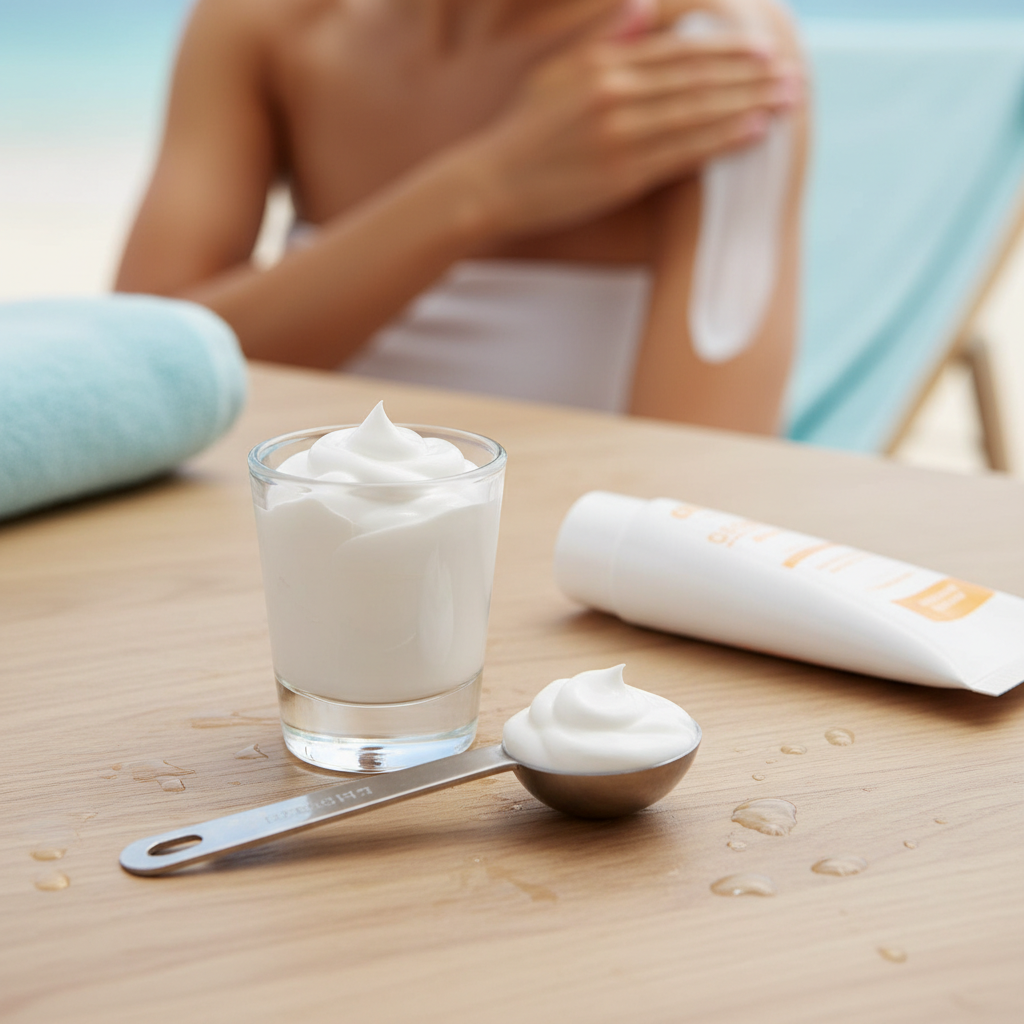
For maximum anti-aging serum efficacy, consistency is key: apply a pea-sized amount to clean, damp skin, layer thinnest to thickest, and always follow with a moisturizer and daily mineral SPF. Prioritize serums with FDA-approved actives like retinoids, vitamin C, or peptides, chosen based on your specific skin concerns and type, allowing adequate absorption time between steps.
Introduction
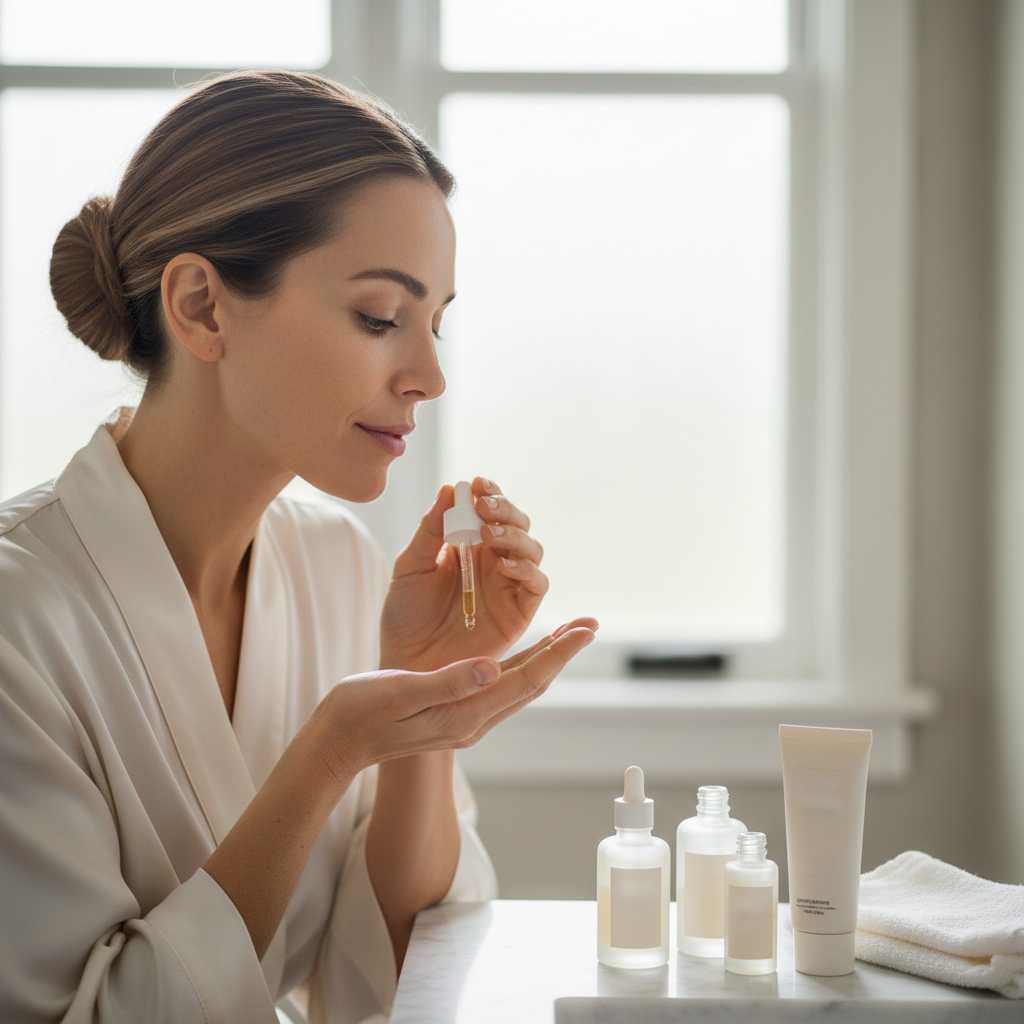
Understanding how to correctly apply anti-aging serums is paramount to unlocking their full potential. These concentrated formulas are packed with potent ingredients designed to target specific concerns, but their effectiveness hinges on proper technique and integration into your daily routine.
What Exactly is an Anti-Aging Serum, and Why Should I Use One?
An anti-aging serum is a lightweight, highly concentrated skincare product formulated with active ingredients designed to penetrate deep into the skin to address signs of aging. Unlike moisturizers, which primarily hydrate and protect the skin’s surface, serums deliver a potent dose of beneficial compounds directly to target cells. Their typically smaller molecular structure allows for deeper absorption, making them an essential step for anyone serious about managing fine lines, wrinkles, loss of firmness, and uneven skin tone.
Which Anti-Aging Ingredients Actually Work, According to Dermatologists?
When navigating the vast world of anti-aging serums, knowing which ingredients are backed by scientific consensus and dermatologist recommendations is crucial. Focus on these powerhouses:
Retinoids (Retinol, Retinaldehyde, Tretinoin)
Retinoids are vitamin A derivatives renowned for their ability to accelerate cell turnover, stimulate collagen production, and diminish the appearance of fine lines, wrinkles, and hyperpigmentation. Retinol is a common over-the-counter form, while retinaldehyde (retinal) is a newer, often more potent derivative that converts to retinoic acid more efficiently in the skin, often providing quicker results with potentially less irritation for some. Tretinoin is a prescription-strength retinoid.
Vitamin C (L-Ascorbic Acid)
A powerful antioxidant, Vitamin C protects the skin from environmental damage caused by free radicals, which contribute to premature aging. It also plays a crucial role in collagen synthesis, brightens skin tone, and helps fade dark spots, leading to a more radiant and even complexion.
Peptides
Peptides are short chains of amino acids, the building blocks of proteins like collagen and elastin. Different types of peptides signal the skin to produce more collagen, improve elasticity, or even relax muscle contractions, effectively reducing the appearance of wrinkles and improving skin firmness.
Niacinamide (Vitamin B3)
This versatile ingredient offers multiple anti-aging benefits. Niacinamide helps improve skin elasticity, reduce the appearance of fine lines, minimize pore size, and strengthen the skin barrier. It also has anti-inflammatory properties, making it excellent for sensitive or breakout-prone skin.
Hyaluronic Acid
While not directly an “anti-aging” active in the same vein as retinoids, hyaluronic acid is vital for maintaining youthful skin. It’s a powerful humectant that attracts and holds up to 1,000 times its weight in water, providing intense hydration that plumps the skin, making fine lines and wrinkles less noticeable.
Alpha Hydroxy Acids (AHAs)
AHAs like glycolic acid and lactic acid are chemical exfoliants that gently dissolve the bonds between dead skin cells, revealing smoother, brighter skin underneath. Regular use can improve skin texture, reduce hyperpigmentation, and stimulate collagen production over time.
How Do I Choose the Best Anti-Aging Serum for My Specific Skin Type and Concerns?
Selecting the right serum is highly personal. Consider your primary concerns and skin type:
* **Fine Lines & Wrinkles:** Look for retinoids (retinol, retinal), peptides, and Vitamin C.
* **Loss of Firmness:** Peptides and retinoids are excellent for boosting collagen and elastin.
* **Uneven Skin Tone/Dark Spots:** Vitamin C, niacinamide, and AHAs will be your allies.
* **Dry/Dehydrated Skin:** Prioritize serums with hyaluronic acid, ceramides, and glycerin, combined with gentler actives.
* **Oily/Acne-Prone Skin:** Niacinamide can help regulate oil production and reduce inflammation. Retinoids are also beneficial for acne and aging. Salicylic acid (a BHA) can be incorporated in a separate step if needed.
* **Sensitive Skin:** Opt for lower concentrations of actives, or choose ingredients like niacinamide, ceramides, and bakuchiol (a gentler plant-based retinol alternative). Always patch test.
* **Mature Skin:** Often benefits from a combination approach focusing on hydration, barrier support (ceramides), and robust collagen stimulation (retinoids, peptides, Vitamin C).
| Serum Type/Primary Active | Key Benefits | Best For Skin Concerns | Ideal Application Time |
|---|---|---|---|
| Retinoid Serum (e.g., Retinal) | Boosts cell turnover, stimulates collagen, reduces wrinkles & dark spots. | Fine lines, wrinkles, uneven texture, hyperpigmentation, acne. | PM only |
| Vitamin C Serum (e.g., L-Ascorbic Acid) | Antioxidant protection, brightens skin, stimulates collagen, fades spots. | Dullness, uneven tone, environmental damage, loss of firmness. | AM |
| Peptide Serum | Improves elasticity, reduces wrinkle depth, supports collagen. | Loss of firmness, dynamic wrinkles, general anti-aging. | AM and/or PM |
| Niacinamide Serum | Strengthens barrier, reduces redness, minimizes pores, improves tone. | Redness, inflammation, enlarged pores, barrier compromise, general aging. | AM and/or PM |
| Hyaluronic Acid Serum | Intense hydration, plumps skin, reduces appearance of fine lines. | Dehydration, fine lines from dryness, general skin health. | AM and/or PM (on damp skin) |
What’s the Optimal Layering Order for Anti-Aging Serums in My Routine?
Proper layering is crucial to ensure each product penetrates effectively without interfering with others. The general rule is to apply products from thinnest to thickest consistency.
- Cleanse: Start with a clean face.
- Tone (Optional): If you use a toner, apply it now.
- First Serum (Targeted Treatment): Apply your most potent, watery serum first. This might be a Vitamin C serum in the morning or a retinoid serum at night. Wait a minute or two for absorption.
- Second Serum (Hydrating/Supporting): Follow with a slightly thicker serum, such as a hyaluronic acid serum or a peptide serum. If using multiple targeted serums (e.g., niacinamide after Vitamin C), apply them in order of thinnest to thickest.
- Eye Cream (Optional): Gently dab around the orbital bone.
- Moisturizer: Lock everything in with a good moisturizer. This is especially important after serums, as it creates an occlusive layer.
- Sunscreen (AM Only): The final and non-negotiable step in your morning routine is a broad-spectrum mineral SPF 30 or higher. Sun protection is the single most effective anti-aging practice. Remember to reapply every two hours when outdoors.
Important Layering Considerations:
* **Retinoids at Night:** Always apply retinoids in the evening due to their photosensitivity and to allow them to work uninterrupted overnight.
* **Vitamin C in the Morning:** Many dermatologists recommend Vitamin C in the morning to leverage its antioxidant protection against daytime environmental aggressors.
* **Acidic Products First:** If using an AHA serum, apply it after cleansing and before other serums, as it works best at a lower pH. Ensure adequate wait time before applying a retinoid or Vitamin C to avoid potential irritation or inactivation.
* **Listen to Your Skin:** If you experience redness, peeling, or irritation, simplify your routine or reduce the frequency of active ingredients. Focusing on skin barrier health (with ingredients like ceramides and niacinamide) is a key trend in 2026 and should always be a priority.
Are Drugstore Anti-Aging Serums as Effective as Prestige Brands?
The landscape of skincare has evolved significantly, blurring the lines between drugstore and prestige. In 2026, many drugstore brands offer highly effective anti-aging serums, often formulated with the same FDA-approved active ingredients and concentrations as their higher-priced counterparts.
The key differences often lie in:
* **Formulation Elegance:** Prestige brands might invest more in texture, scent, packaging, and the inclusion of “supporting” ingredients that enhance the user experience or provide additional benefits (e.g., unique botanical extracts, advanced delivery systems).
* **Research & Development:** While many actives are well-established, some prestige brands may invest heavily in proprietary ingredient complexes or novel delivery technologies. However, robust independent research often confirms the efficacy of standard, well-formulated actives regardless of brand tier.
* **Concentration:** Always check the ingredient list. A drugstore serum with a clinically effective concentration of retinol or Vitamin C will often perform comparably to a prestige product with the same concentration.
Dermatologist consensus often emphasizes the *ingredients* and *formulation* over the price tag. Don’t dismiss a well-formulated, affordable serum; it could be just as effective for your skin.
What Common Mistakes Should I Avoid When Applying Anti-Aging Serums?
To truly maximize your serum’s potential, steer clear of these common pitfalls:
* **Applying to Dry Skin:** Many serums, especially those with hyaluronic acid, work best on slightly damp skin, which helps them draw and lock in moisture.
* **Using Too Much Product:** Serums are concentrated. A pea-sized amount, or 2-3 drops, is usually sufficient for the entire face. More isn’t necessarily better and can lead to wasted product or irritation.
* **Inconsistent Application:** Anti-aging benefits accrue over time with regular use. Skipping days or weeks will hinder results.
* **Not Following with Moisturizer:** Serums deliver actives, but moisturizers seal them in, prevent moisture loss, and support the skin barrier. This step is non-negotiable.
* **Forgetting Sunscreen:** Without daily, broad-spectrum SPF, you’re undoing the benefits of your anti-aging serums. UV radiation is the primary cause of premature aging.
* **Mixing Incompatible Actives:** Be cautious when combining strong actives like retinoids with AHAs or high concentrations of Vitamin C, especially if you have sensitive skin. Introduce new products one at a time and alternate their use (e.g., AHA in AM, retinoid in PM, or alternate nights).
* **Not Giving it Time:** Significant results from anti-aging serums typically take 6-12 weeks of consistent use to become noticeable. Patience is key.
Frequently Asked Questions
How much anti-aging serum should I use?
Generally, 2-3 drops or a pea-sized amount is sufficient for your entire face. Serums are concentrated, so a little goes a long way. Using too much won’t necessarily yield faster results and can lead to product waste or potential irritation.
Can I use multiple anti-aging serums at once?
Yes, you can, but proceed with caution. Layer them from thinnest to thickest and be mindful of potential interactions between strong actives (e.g., avoid layering a potent AHA serum directly with a retinoid unless specifically formulated to do so). It’s often better to target different concerns by using one active in the morning and another at night, or alternating them on different evenings.
How long does it take to see results from anti-aging serums?
Patience is crucial. While some hydrating serums might show immediate plumping, visible results from anti-aging actives like retinoids or Vitamin C typically take 6-12 weeks of consistent daily or nightly use. Full benefits, especially for deeper wrinkles or significant hyperpigmentation, can take 6 months or more.
Should I apply anti-aging serums to my neck and chest?
Absolutely! The skin on your neck and décolletage is often one of the first areas to show signs of aging and is frequently neglected. Extend your serum application down to these areas using the same gentle techniques you use for your face. This ensures a more cohesive and youthful appearance across your entire complexion.
What about using dermal-grade at-home tools with serums?
Many dermal-grade at-home tools, like microcurrent devices or LED masks, can complement your serum routine. Apply your serums *after* using tools that enhance penetration (like micro-needling, if done safely and sparingly at home, or certain sonic devices) but *before* tools that require a conductive gel (like microcurrent). Always follow the specific instructions for both your tools and serums to ensure safety and efficacy.
Conclusion
Mastering the art of anti-aging serum application is a cornerstone of an effective skincare routine. By understanding key ingredients, selecting products tailored to your needs, and adhering to proper layering techniques, you empower your skin to reap the full benefits of these potent formulations. Remember that consistency, patience, and diligent sun protection are just as vital as the serum itself in your journey toward healthier, more youthful-looking skin.