Body acne, from stubborn backne to chest breakouts, is a common skin concern for many women, driven by factors like excess oil, dead skin cells, bacteria, and inflammation. Effective treatment involves a multi-pronged approach combining targeted active ingredients like salicylic acid, benzoyl peroxide, and retinoids, with diligent skincare routines and thoughtful lifestyle adjustments, all while prioritizing a healthy skin barrier for optimal results.
Introduction
Body acne is a frustrating reality for countless women across the United States, often manifesting as unsightly breakouts on the back, chest, shoulders, and even the buttocks. Unlike facial acne, body breakouts can be harder to reach, more prone to friction, and often overlooked in daily skincare routines. But the good news is that understanding its causes and adopting a strategic, evidence-informed approach can lead to clearer, healthier skin. This guide will walk you through everything you need to know to tackle body acne effectively, leveraging the latest insights and ingredient science available in 2026.
Why am I getting body acne, and is it different from facial acne?
While body acne shares many root causes with facial acne, there are some unique contributing factors. At its core, acne forms when hair follicles become clogged with a combination of excess sebum (oil), dead skin cells, and bacteria (P. acnes, or more accurately, C. acnes). This blockage creates an ideal environment for inflammation, leading to pimples, blackheads, whiteheads, and cysts.
Key Factors Contributing to Body Acne:
- Excess Sebum Production: The skin on your back and chest has a high density of sebaceous glands, making these areas prone to oiliness and subsequent clogging.
- Dead Skin Cell Accumulation: Just like the face, the body constantly sheds skin cells. If these don’t shed properly, they can mix with oil and block pores.
- Bacterial Overgrowth: The naturally occurring C. acnes bacteria can multiply rapidly in clogged, oxygen-deprived follicles, triggering inflammation.
- Hormonal Fluctuations: Androgens (male hormones present in women) can stimulate sebum production, contributing to breakouts, especially during menstrual cycles, pregnancy, or periods of stress.
- Friction and Occlusion (Acne Mechanica): Tight clothing, backpacks, sports bras, and even lying on certain fabrics can trap sweat and bacteria, creating friction that irritates follicles and exacerbates acne. This is particularly common on the back and shoulders.
- Sweat: While sweat itself isn’t inherently acne-causing, it can mix with oil and dead skin cells, creating a breeding ground for bacteria and clogging pores, especially if not rinsed off promptly.
- Genetics: If your parents experienced body acne, you might be more predisposed to it.
- Certain Medications: Some drugs, like corticosteroids, can induce acne as a side effect.
While the fundamental mechanisms are similar to facial acne, body acne often presents with deeper, more inflamed lesions due to the thicker skin and larger pores on the body. It’s also more susceptible to friction and sweat, making immediate post-workout cleansing crucial.
What are the best ingredients for treating body acne?
Treating body acne effectively requires a strategic selection of active ingredients that target the various causes of breakouts. Many of these are FDA-approved for acne treatment and are widely recommended by dermatologists.
Top Actives for Body Acne:
-
Salicylic Acid (BHA): A beta-hydroxy acid, salicylic acid is oil-soluble, meaning it can penetrate into the pore lining to dissolve sebum and dead skin cells. It’s an excellent chemical exfoliant that helps to unclog pores and reduce inflammation.
How it works: Penetrates oil to exfoliate inside the pore, preventing and treating blockages.
-
Benzoyl Peroxide: This powerful ingredient works by introducing oxygen into the pore, which kills acne-causing bacteria (C. acnes) and also helps to shed dead skin cells. It comes in various concentrations, from 2.5% to 10%.
How it works: Kills acne bacteria and helps clear pores by shedding dead skin cells.
-
Alpha Hydroxy Acids (AHAs) – Glycolic Acid & Lactic Acid: Water-soluble chemical exfoliants that work on the skin’s surface to loosen and remove dead skin cells. They can improve skin texture and reduce post-inflammatory hyperpigmentation (dark spots).
How it works: Exfoliates the skin surface, improving texture and reducing surface blockages and dark spots.
-
Retinoids (Retinol, Retinal, Adapalene): Vitamin A derivatives that accelerate cell turnover, preventing dead skin cells from clogging pores. They also reduce inflammation and can help fade post-acne marks. In 2026, the discussion often centers on retinal (retinaldehyde), which is a step closer to retinoic acid than retinol, offering potentially faster results with less irritation for some. Adapalene is a prescription-strength retinoid available over-the-counter for acne.
How it works: Boosts cell turnover to prevent clogs, reduces inflammation, and improves skin texture.
-
Niacinamide (Vitamin B3): While not a primary acne treatment, niacinamide is a fantastic supporting ingredient. It helps to reduce inflammation, minimize redness, improve skin barrier function, and can even regulate oil production.
How it works: Reduces inflammation, strengthens the skin barrier, and helps regulate oil.
-
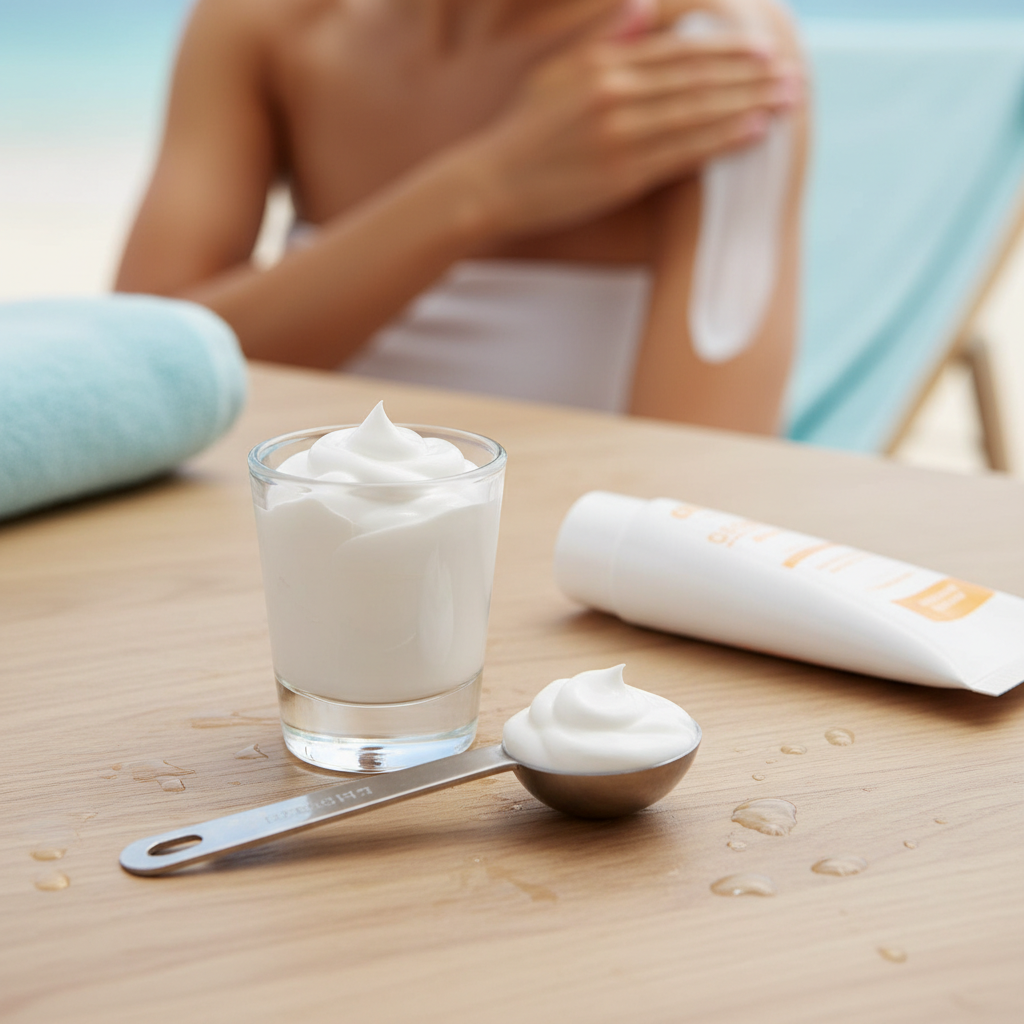
Mineral SPF: While not a treatment, consistent use of a broad-spectrum mineral sunscreen (containing zinc oxide and/or titanium dioxide) is crucial. Many acne treatments increase sun sensitivity, and UV exposure can worsen post-inflammatory hyperpigmentation.
How it works: Protects skin from UV damage, preventing worsening of acne marks and sun sensitivity from treatments.
How do I choose the right body acne products for my skin type?
Selecting the right products depends on your skin type, the severity of your acne, and your tolerance for active ingredients. The US market offers a vast array of options, from affordable drugstore staples to more luxurious prestige brands.
Product Formulations and Skin Types:
- Oily Skin: Can generally tolerate higher concentrations of actives like benzoyl peroxide and salicylic acid. Look for gel or lightweight lotion formulations that won’t add extra oil.
- Dry or Sensitive Skin: Start with lower concentrations and introduce new products slowly to avoid irritation. Opt for hydrating cleansers and lotions that contain ceramides or hyaluronic acid to support the skin barrier. Niacinamide is particularly beneficial here.
- Combination Skin: May need different products for different areas. A salicylic acid wash for oily areas, and a gentler, hydrating lotion for drier zones.
- Mature Skin: Focus on formulations that also address anti-aging concerns. Retinoids are excellent for both acne and anti-aging, but ensure adequate hydration.
Drugstore vs. Prestige:
The good news is that many highly effective, dermatologist-recommended body acne treatments are available at drugstores. Brands like CeraVe, La Roche-Posay, PanOxyl, and Neutrogena offer excellent salicylic acid and benzoyl peroxide washes and lotions. Prestige brands may offer more elegant formulations, unique delivery systems, or a broader range of supporting ingredients (like peptides or specialized antioxidants), but the core FDA-approved actives remain the same in terms of efficacy. Don’t feel pressured to spend a fortune; consistency is far more important than brand name.
A Consistent Routine is Key:
Treating body acne requires consistency. Here’s a general routine to consider:
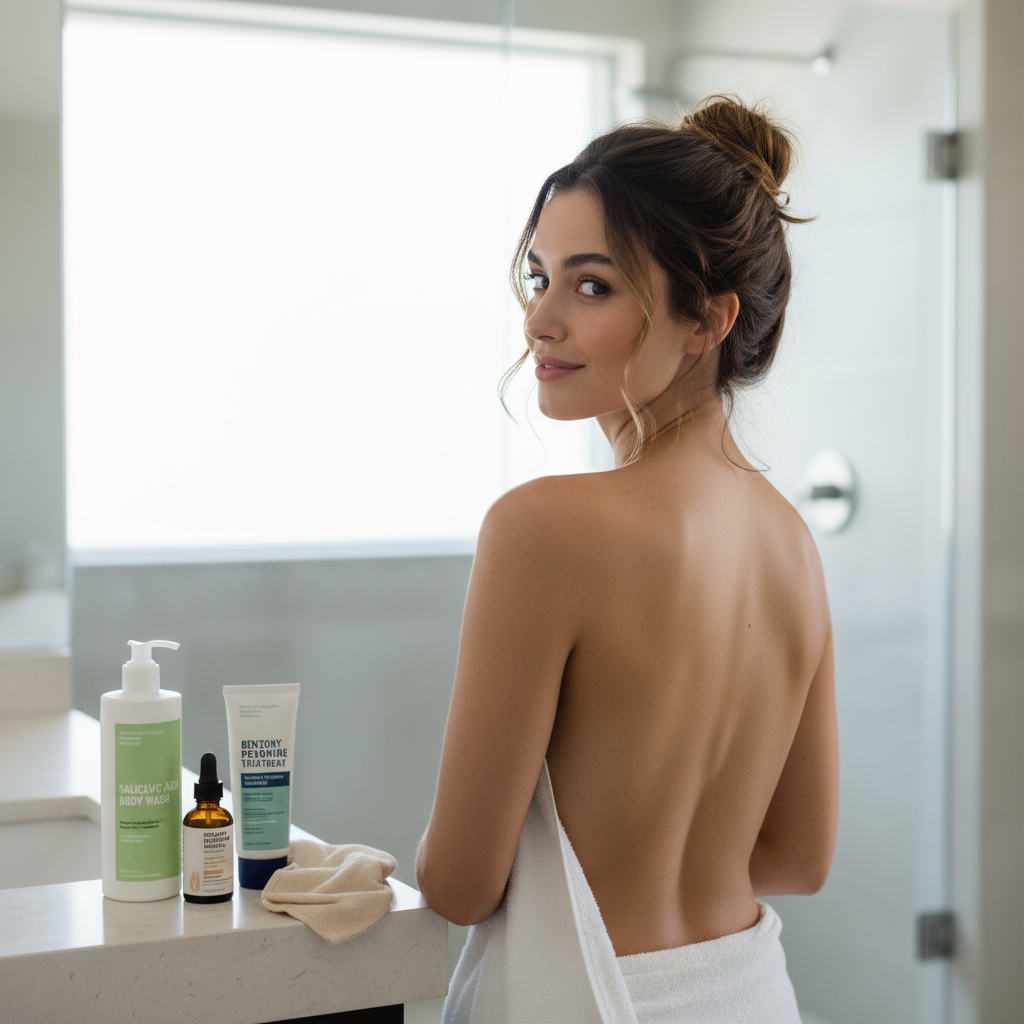
- Cleanse Daily: Use a body wash containing salicylic acid (2%) or benzoyl peroxide (2.5-10%) in the shower. Leave it on for a minute or two before rinsing thoroughly.
- Targeted Treatment: After showering, on dry skin, apply a body spray or lotion with salicylic acid, glycolic acid, or a retinoid (like adapalene gel) to affected areas.
- Moisturize: Follow with a lightweight, non-comedogenic moisturizer, especially if using drying actives. Look for ingredients like ceramides and hyaluronic acid to support your skin barrier.
- Sun Protection: Apply broad-spectrum mineral SPF 30+ to any exposed areas, particularly if using retinoids or AHAs, as these increase sun sensitivity. Reapplication throughout the day is essential if you’re active or sweating.
- Dermal-Grade At-Home Tools: While not a replacement for actives, some women find tools like silicone body brushes can aid in gentle exfoliation, but avoid harsh scrubbing which can worsen inflammation. Always ensure tools are clean.
What lifestyle changes can help prevent and manage body acne?
Beyond topical treatments, several lifestyle adjustments can significantly impact the frequency and severity of body breakouts.
Practical Lifestyle Tips:
- Shower Immediately After Sweating: This is paramount. Don’t let sweat, oil, and bacteria sit on your skin. Use your medicated body wash.
- Wear Loose, Breathable Fabrics: Opt for cotton or moisture-wicking synthetic fabrics, especially during workouts. Avoid tight clothing that can cause friction (acne mechanica) and trap sweat.
- Wash Workout Clothes Regularly: Don’t re-wear sweaty clothes. Use a fragrance-free, hypoallergenic laundry detergent, as some strong detergents can irritate sensitive skin.
- Hair Care Matters: If you have long hair, especially if it’s oily or you use heavy conditioners/styling products, keep it off your back and shoulders. Rinse hair products thoroughly, then wash your body to ensure no residue is left behind.
- Non-Comedogenic Products: Ensure all your body lotions, sunscreens, and even massage oils are labeled “non-comedogenic” or “non-acnegenic” to avoid clogging pores.
- Diet and Hydration: While the link between diet and acne is complex and individual, some find that reducing high glycemic index foods and dairy can help. Focus on a balanced diet rich in antioxidants and stay well-hydrated.
- Stress Management: Stress can trigger hormonal fluctuations that exacerbate acne. Incorporate stress-reducing activities like yoga, meditation, or regular exercise.
Are there professional treatments for stubborn body acne?
If over-the-counter products and lifestyle changes aren’t yielding the desired results after several weeks or months, it’s time to consult a board-certified dermatologist. They can offer stronger treatments and personalized advice.
Dermatologist-Prescribed Options:
- Prescription Topical Retinoids: Stronger versions of retinoids (like Tretinoin or Tazarotene) can be highly effective for severe or cystic body acne.
- Oral Antibiotics: For widespread or inflammatory acne, oral antibiotics may be prescribed for a short course to reduce bacterial load and inflammation.
- Oral Hormonal Therapies: For women, medications like spironolactone can help regulate androgen hormones that contribute to acne.
- Isotretinoin (Accutane): Reserved for severe, recalcitrant cystic acne that hasn’t responded to other treatments. It’s a powerful drug with significant side effects and requires close monitoring.
- Chemical Peels: In-office peels with higher concentrations of AHAs or BHAs can help exfoliate larger areas of the body, improving texture and reducing breakouts.
- Light and Laser Therapies: Certain light or laser treatments can target acne-causing bacteria and reduce inflammation, though they are often used as adjunctive therapies.
Comparison of Common Body Acne Treatment Actives
| Active Ingredient | Primary Action | Best For | Potential Side Effects | 2026 Considerations |
|---|---|---|---|---|
| Salicylic Acid (BHA) | Exfoliates inside pores, dissolves oil | Blackheads, whiteheads, mild inflammatory acne, oily skin | Dryness, mild peeling, sun sensitivity | Ubiquitous in washes/sprays, great for consistent daily use. |
| Benzoyl Peroxide | Kills C. acnes bacteria, exfoliates | Inflammatory acne (red pimples, pustules), moderate to severe acne | Dryness, redness, irritation, bleaching fabrics | Still a gold standard, often combined with retinoids. Start low (2.5-5%). |
| Glycolic Acid (AHA) | Exfoliates skin surface, improves texture | Rough texture, post-inflammatory hyperpigmentation (PIH), non-inflamed acne | Sun sensitivity, stinging, redness (especially sensitive skin) | Excellent for body exfoliation and fading marks, often in lotions/peels. |
| Retinoids (OTC Adapalene) | Normalizes cell turnover, reduces inflammation | All types of acne, especially persistent or cystic, and PIH | Dryness, peeling, purging, sun sensitivity | Adapalene is OTC powerhouse. Retinal gaining traction for efficacy/tolerance. |
| Niacinamide | Reduces inflammation, strengthens barrier, oil regulation | Redness, post-inflammatory erythema (PIE), barrier support, oily skin | Generally well-tolerated, rare flushing | Essential adjunctive ingredient for barrier health and reducing irritation from other actives. |
Frequently Asked Questions
Can diet cause body acne?
The link between diet and acne is still being researched, but some studies suggest that high glycemic index foods (like refined carbs and sugars) and dairy products may exacerbate acne in some individuals. However, it’s highly individual, and a balanced diet rich in whole foods, fruits, and vegetables is generally beneficial for overall skin health. It’s rarely the sole cause or cure for body acne.
How often should I exfoliate body acne?
For chemical exfoliants like salicylic acid or AHAs, daily use in a body wash or lotion is often recommended. However, if you have sensitive skin or are using strong actives, start with 2-3 times a week and increase as tolerated. Over-exfoliation can damage your skin barrier and worsen irritation. Physical exfoliation (scrubs) should be used sparingly and gently, if at all, to avoid micro-tears.
Is it okay to pick or squeeze body acne?
No, picking, squeezing, or popping body acne is strongly discouraged. It can push bacteria deeper into the skin, increase inflammation, lead to infection, and significantly raise the risk of post-inflammatory hyperpigmentation (dark spots) and permanent scarring. Let treatments work their magic, and resist the urge to pick.
Can sunscreen make body acne worse?
Some sunscreens, particularly those with heavy, pore-clogging ingredients, can indeed exacerbate body acne. Always look for sunscreens labeled “non-comedogenic” or “non-acnegenic.” Mineral sunscreens (zinc oxide, titanium dioxide) are often a good choice for acne-prone skin as they sit on the skin’s surface and are less likely to irritate. Proper cleansing at the end of the day is also crucial.
When should I see a dermatologist for body acne?
You should consult a dermatologist if your body acne is severe (large, painful cysts or nodules), widespread, causing significant scarring or dark spots, or if over-the-counter treatments haven’t shown improvement after 6-8 weeks of consistent use. A dermatologist can provide stronger prescription treatments and personalized advice tailored to your specific condition.
Conclusion
Body acne, while often challenging, is a highly treatable condition. By understanding its underlying causes, diligently incorporating effective active ingredients like salicylic acid, benzoyl peroxide, and retinoids into your routine, and making thoughtful lifestyle adjustments, you can significantly improve your skin’s clarity and health. Remember to prioritize skin barrier support, be patient and consistent, and don’t hesitate to seek professional guidance from a dermatologist for more stubborn or severe cases. With the right approach, clear, comfortable skin on your back, chest, and beyond is well within reach.