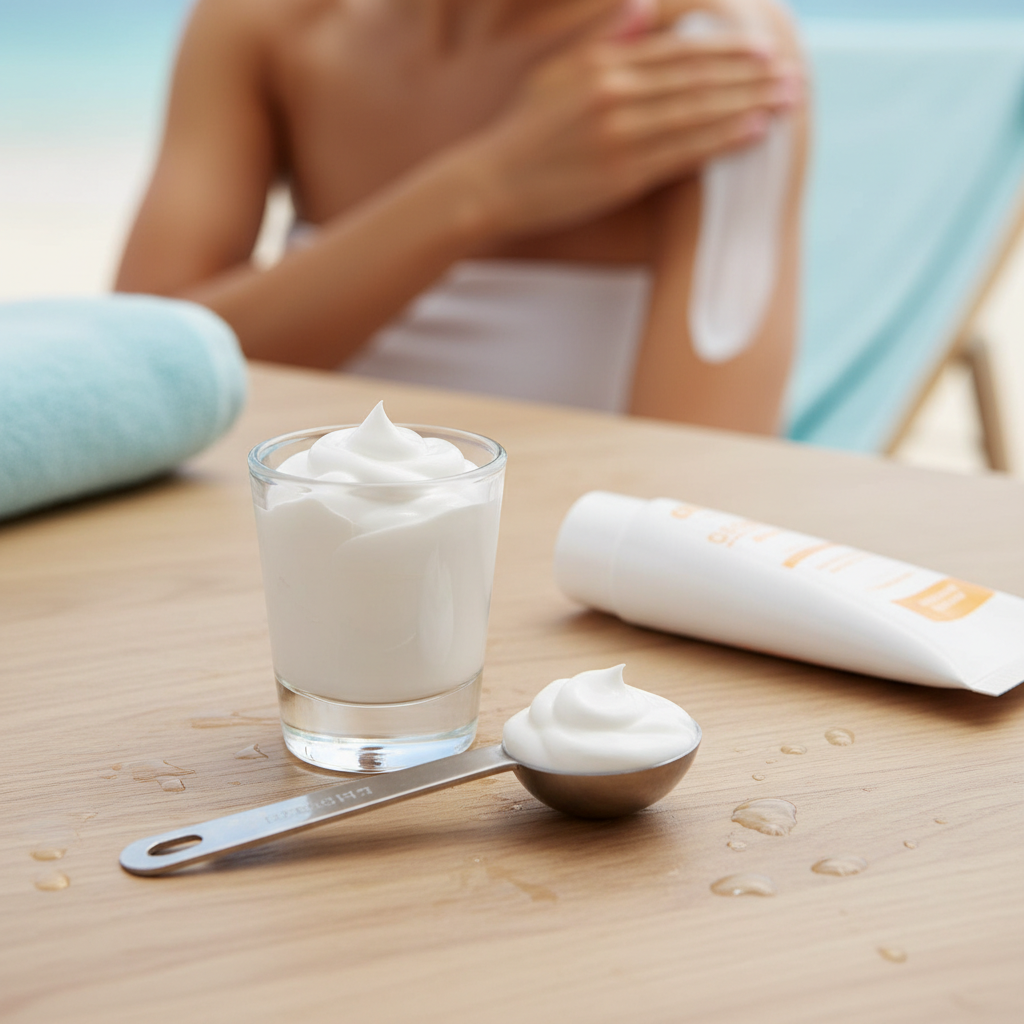
Skin cycling is a strategic, four-night skincare routine designed to optimize the benefits of active ingredients while minimizing irritation, making it a highly effective approach for balancing potency with skin health. For most women in the US seeking a more intentional and less overwhelming skincare regimen in 2026, incorporating skin cycling can be a beneficial way to achieve clearer, healthier, and more resilient skin without overdoing it.
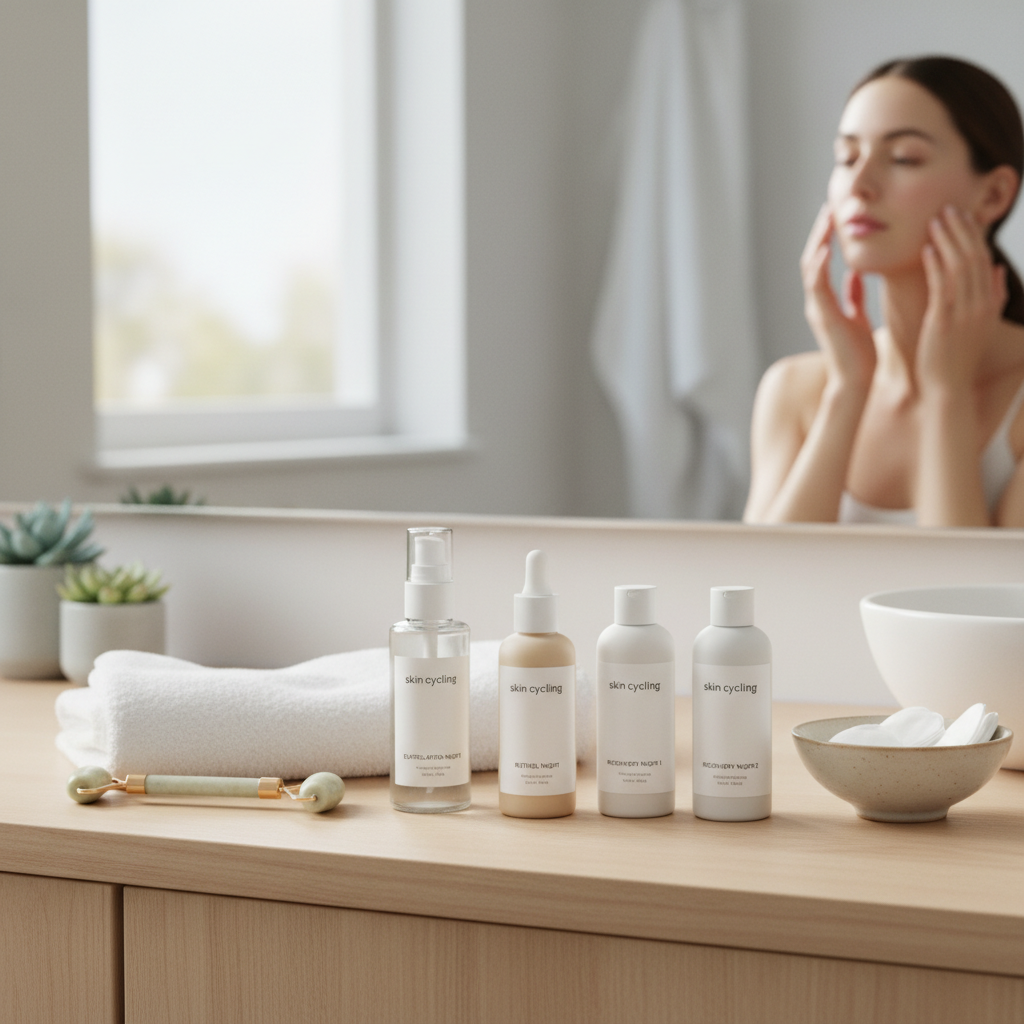
Introduction
The quest for radiant, healthy skin often feels like navigating a labyrinth of products, ingredients, and conflicting advice. In 2026, as our understanding of skin science deepens and the focus shifts towards barrier health and sustainable routines, a methodology called “skin cycling” has emerged as a dermatologist-backed, highly effective strategy. This intentional approach to skincare isn’t about adding more steps; it’s about optimizing the ones you already have, creating a rhythm that allows your skin to thrive.
What exactly is Skin Cycling, and why is everyone talking about it?
Skin cycling is a structured, rotational skincare routine, typically spread over four nights, that strategically incorporates active ingredients with recovery periods. The core idea is to maximize the efficacy of potent ingredients like retinoids and chemical exfoliants by giving the skin dedicated time to rest and repair. This prevents the common pitfalls of daily active use, such as irritation, redness, and a compromised skin barrier, which can ultimately hinder your progress towards healthy skin.
Its popularity has surged due to its simplicity, efficacy, and the tangible results users experience. In an era where “more is better” often leads to over-exfoliation and sensitivity, skin cycling offers a refreshing, balanced alternative. Dermatologists and skincare experts widely endorse it because it aligns with fundamental principles of skin physiology: active ingredients need time to work, and the skin needs time to heal and rebuild its protective barrier. It’s a smart response to the historical tendency of consumers to layer too many powerful actives, leading to chronic inflammation and a weakened skin barrier – a major focus of skincare research and product development in 2026.
How does the traditional 4-night Skin Cycling routine work?
The classic skin cycling regimen unfolds over four nights, each with a distinct purpose, followed by a repeat. Here’s a breakdown:
Night 1: Exfoliation
This night focuses on chemical exfoliation to slough off dead skin cells, promote cell turnover, and improve skin texture and radiance. After cleansing, apply an alpha-hydroxy acid (AHA) like glycolic or lactic acid, or a beta-hydroxy acid (BHA) like salicylic acid. AHAs work on the skin’s surface to dissolve the bonds between dead cells, while BHAs penetrate oil to clear pores, making them excellent for oily or acne-prone skin. Choose an exfoliant suited to your skin type and concerns. Follow with a simple, hydrating moisturizer.
Night 2: Retinoid
This is your retinoid night, dedicated to harnessing the power of vitamin A derivatives. Retinoids (which include retinol, retinaldehyde/retinal, and prescription tretinoin) are gold-standard ingredients for addressing fine lines, wrinkles, hyperpigmentation, and acne by accelerating cell turnover and stimulating collagen production. After cleansing and ensuring your skin is completely dry (to minimize irritation), apply a pea-sized amount of your chosen retinoid. Follow with a rich, nourishing moisturizer to buffer its effects and support the skin barrier. For beginners, starting with a lower strength retinol or retinal is advisable.
Night 3 & 4: Recovery
These two nights are crucial for allowing your skin to repair, rebuild its barrier, and absorb the benefits from the active ingredients without further stimulation. After cleansing, focus on hydration and barrier support. Use products rich in ceramides, hyaluronic acid, peptides, and niacinamide.
- Ceramides: These are lipids that are a major component of your skin barrier, helping to retain moisture and protect against environmental aggressors.
- Hyaluronic Acid: A powerful humectant that attracts and holds up to 1,000 times its weight in water, providing intense hydration.
- Peptides: Short chains of amino acids that act as building blocks for proteins like collagen and elastin, signaling the skin to repair and rejuvenate.
- Niacinamide (Vitamin B3): A versatile active that helps strengthen the skin barrier, reduce inflammation, minimize pore appearance, and improve tone.
These recovery nights are non-negotiable for preventing irritation and ensuring your skin is prepped for the next round of actives.
Which active ingredients are key to a successful Skin Cycling routine?
A successful skin cycling routine hinges on the intelligent use of specific active ingredients. Here’s a closer look at the key players:
- Retinoids (Retinol, Retinal, Tretinoin): As mentioned, these vitamin A derivatives are unparalleled for anti-aging and acne treatment. Retinol is a gentler over-the-counter option, while retinal (retinaldehyde) is a newer, more potent form that converts to retinoic acid faster, offering efficacy closer to prescription tretinoin with potentially less irritation than retinol.
- Alpha-Hydroxy Acids (AHAs – Glycolic Acid, Lactic Acid): These water-soluble acids exfoliate the surface of the skin, improving texture, tone, and radiance. Glycolic acid is potent, while lactic acid is gentler and also provides hydration.
- Beta-Hydroxy Acids (BHAs – Salicylic Acid): Oil-soluble, salicylic acid penetrates pores to dissolve sebum and dead skin cells, making it ideal for oily, combination, and acne-prone skin types.
- Niacinamide (Vitamin B3): This powerhouse ingredient is fantastic for recovery nights. It helps improve skin barrier function, reduces redness and inflammation, minimizes the appearance of pores, and offers antioxidant benefits.
- Hyaluronic Acid: Essential for hydration, it draws moisture into the skin, plumping it up and reducing the appearance of fine lines. Crucial for recovery nights.
- Ceramides: Key lipids that comprise the skin barrier. Using ceramide-rich products helps replenish and strengthen this barrier, reducing moisture loss and protecting against irritants.
- Peptides: These small protein fragments can signal the skin to produce more collagen, improve elasticity, and aid in repair processes, making them excellent for recovery and anti-aging.
- Vitamin C (L-Ascorbic Acid): While not typically part of the *nightly* cycling routine, a stable Vitamin C serum is an excellent addition to your *morning* routine for antioxidant protection, brightening, and collagen support. Always follow with a broad-spectrum mineral SPF.
- Mineral SPF: Non-negotiable every morning, especially when using actives. Zinc oxide and titanium dioxide provide broad-spectrum protection by physically blocking UV rays, crucial for preventing sun damage and allowing actives to work without counteracting effects. The science of effective sunscreen reapplication, especially with dermal-grade at-home tools allowing for better visual assessment, continues to evolve in 2026, emphasizing its importance.
Is Skin Cycling suitable for my skin type?
One of the beauties of skin cycling is its adaptability. It can be tailored to suit a wide range of skin types:
Oily and Combination Skin
This routine is excellent for managing excess oil and preventing breakouts. On exfoliation night, a BHA like salicylic acid can be particularly effective. On retinoid night, the cellular turnover helps keep pores clear. The recovery nights prevent the skin from becoming overly stripped and reactive, which can sometimes lead to rebound oil production.
Dry Skin
Dry skin types benefit immensely from the built-in recovery days. Using gentler AHAs (like lactic acid) for exfoliation, lower-strength retinoids, and focusing heavily on occlusive, ceramide-rich moisturizers during recovery nights will prevent dryness and irritation while still allowing for active ingredient benefits.
Sensitive Skin
Skin cycling is often recommended for sensitive skin because it prevents daily exposure to potent actives. Sensitive individuals should opt for the mildest AHAs (e.g., poly-hydroxy acids or PHAs, or very low-strength lactic acid), start with the lowest concentration of retinol, and potentially extend recovery nights to three or even four days if needed. Listen to your skin and adjust accordingly.
Mature Skin
Mature skin, often thinner and more prone to dryness, benefits from the collagen-stimulating and anti-aging effects of retinoids and exfoliants. The recovery nights are vital for maintaining skin barrier integrity and hydration, which are crucial for aging skin. Prioritize hydrating and barrier-supporting ingredients.
Acne-Prone Skin
The combination of targeted exfoliation (especially BHAs) and retinoids works synergistically to treat and prevent acne. The recovery nights ensure the skin isn’t overwhelmed, which could exacerbate inflammation. It’s a structured way to introduce potent acne-fighting ingredients without over-stressing the skin.
What are the benefits of integrating Skin Cycling into your routine?
Embracing skin cycling offers a multitude of advantages for your skin health and overall routine:
- Reduced Irritation and Sensitivity: By strategically spacing out potent actives, you give your skin ample time to recover, significantly minimizing redness, flaking, and sensitivity often associated with daily use.
- Optimized Efficacy of Actives: Allowing recovery periods means your skin barrier remains strong, enabling actives like retinoids and exfoliants to work more effectively without being hampered by inflammation or a compromised barrier.
- Improved Skin Barrier Health: Dedicated recovery nights with barrier-supporting ingredients actively repair and strengthen your skin’s natural protective shield, leading to healthier, more resilient skin.
- Enhanced Hydration: The focus on hydrating and nourishing products during recovery helps maintain optimal moisture levels, resulting in plumper, more supple skin.
- Clearer, Brighter Complexion: Consistent, gentle exfoliation paired with retinoid use promotes cell turnover, leading to a reduction in hyperpigmentation, improved texture, and a more radiant glow.
- Simplicity and Consistency: The structured nature of skin cycling removes guesswork, making your routine easier to follow consistently. This predictability helps you stick to the regimen and see long-term results.
- Cost-Effectiveness: By not using every active every night, you might find your products last longer, potentially saving money over time. It also encourages a more mindful approach to product consumption.
How can I customize Skin Cycling for my specific needs?
While the 4-night cycle is a great starting point, customization is key to making it work for you:
- Adjust Frequency: If you have very sensitive skin, you might extend recovery nights to three or even four days, creating a 5- or 6-night cycle. Conversely, if your skin is robust and acclimated, you might experiment with a 3-night cycle (exfoliate, retinoid, recovery).
- Product Selection:
- Exfoliation Night: Choose an AHA (glycolic, lactic) for surface texture and brightness, or a BHA (salicylic) for oil control and pore clearing. Drugstore brands like The Ordinary or Inkey List offer effective single-ingredient options, while prestige brands like Drunk Elephant or Paula’s Choice often combine actives with soothing ingredients.
- Retinoid Night: Start with a low-concentration retinol (0.1-0.3%) or a gentle retinal (0.05%) from brands like CeraVe, La Roche-Posay (drugstore), or Medik8, Shani Darden (prestige). Gradually increase strength as tolerated.
- Recovery Nights: Focus on ceramides (e.g., CeraVe, Skinfix), hyaluronic acid (e.g., The Ordinary, Skinceuticals), niacinamide (e.g., Paula’s Choice, Glow Recipe), and peptides (e.g., The Inkey List, Drunk Elephant).
- Listen to Your Skin: This is the most crucial customization tip. If you experience excessive redness, stinging, or peeling, scale back. Add an extra recovery night, use a gentler active, or reduce the frequency of application. Your skin will tell you what it needs.
- Consider Seasonal Changes: Your skin may tolerate actives differently in humid summer months versus dry winter months. Adjust your products and cycle length accordingly.
Are there any potential drawbacks or common mistakes to avoid?
While skin cycling is highly beneficial, a few pitfalls can hinder its effectiveness:
- Over-Exfoliation: Even with recovery days, using too strong an exfoliant or applying it too frequently can still compromise your skin barrier. Always start gentle.
- Ignoring SPF: Actives like retinoids and AHAs increase sun sensitivity. Failing to use a broad-spectrum mineral SPF 30+ every single morning (and reapplying every 2 hours when exposed) will undo progress and risk sun damage. This is non-negotiable.
- Not Listening to Your Skin: Pushing through irritation in the name of “results” is counterproductive. If your skin is consistently red, flaky, or stinging, it’s a sign to slow down.
- Too Many Products on Recovery Nights: While recovery nights are for nourishing, avoid overloading your skin with too many new or potentially irritating ingredients. Stick to proven barrier-supporters.
- Expecting Instant Results: Skincare is a marathon, not a sprint. Consistency over weeks and months is what yields significant improvements.
- Skipping Cleansing: Always start with a clean canvas. A gentle cleanser is essential before applying any active or recovery product.
Comparison of Common Active Ingredients in a Skin Cycling Routine
Understanding the nuances of key ingredients helps you select the best products for your skin cycling journey. Here’s a comparison of popular choices:
| Ingredient Category | Primary Benefit in Cycling | Best Skin Types | Considerations |
|---|---|---|---|
| AHAs (e.g., Glycolic Acid) | Surface exfoliation, brightness, texture improvement, collagen stimulation. | Dry, normal, mature, sun-damaged. | Can cause sun sensitivity; start with lower concentrations (5-10%). |
| BHAs (e.g., Salicylic Acid) | Pore clearing, oil control, anti-inflammatory, targets blackheads/whiteheads. | Oily, combination, acne-prone. | May be drying if overused; excellent for breakout prevention. |
| Retinol | Anti-aging, reduces fine lines/wrinkles, improves texture, mild acne. | All (start low), especially mature or sun-damaged. | Over-the-counter, less potent than retinal/tretinoin; needs conversion in skin. |
| Retinal (Retinaldehyde) | Potent anti-aging, acne treatment, faster results than retinol. | All (start low), especially those seeking stronger effects. | Closer to prescription strength; can be irritating if not introduced slowly. |
| Niacinamide | Barrier repair, anti-inflammatory, reduces redness, minimizes pores. | All, especially sensitive, acne-prone, or compromised barriers. | Excellent for recovery nights; generally well-tolerated at 5-10% concentrations. |
Frequently Asked Questions
Can I use Vitamin C during skin cycling?
Yes, absolutely! Vitamin C is best applied in your morning routine. After cleansing and before moisturizer and SPF, a Vitamin C serum provides antioxidant protection against environmental damage, brightens the complexion, and boosts collagen production. It complements skin cycling by protecting your skin during the day, allowing your night actives to focus on repair and renewal.
How long does it take to see results from skin cycling?
Like most effective skincare routines, consistency is key. You might notice initial improvements in skin texture and reduced irritation within a few weeks. More significant changes, such as reduced fine lines, improved hyperpigmentation, or clearer skin, typically become apparent after 8-12 weeks of consistent cycling.
Is skin cycling only for those using strong actives like retinoids?
While often associated with retinoids and strong exfoliants, the principle of skin cycling – active nights followed by recovery nights – can be adapted for any level of active ingredient use. Even if you use milder actives, giving your skin dedicated recovery time helps maintain a healthy barrier and prevents cumulative irritation.
Can I incorporate dermal-grade at-home tools into my skin cycling routine?
Yes, but with caution and strategic placement. Tools like LED masks or microcurrent devices can be used on recovery nights to enhance product absorption or stimulate collagen, as they are generally non-invasive. However, tools that create micro-injuries (e.g., at-home microneedling) should be used very sparingly, perhaps once a month, and always followed by extended recovery periods, well outside your regular active ingredient cycle. Consult with a dermatologist before integrating such tools.
What if I have a special event coming up? Should I stop skin cycling?
If you have a special event, it’s generally best to stick to recovery nights for 3-4 days leading up to it. This ensures your skin is calm, hydrated, and glowing without any risk of redness or flaking from active ingredients. You can resume your regular cycle afterward.
Conclusion
Skin cycling represents a thoughtful evolution in skincare, prioritizing balance and skin barrier health without compromising on the efficacy of powerful ingredients. By embracing this intentional, rhythmic approach, women across the US can move beyond the “more is better” mentality, fostering a stronger, clearer, and more resilient complexion. It’s a testament to the fact that sometimes, less is indeed more, especially when it comes to nurturing your skin back to its optimal state.