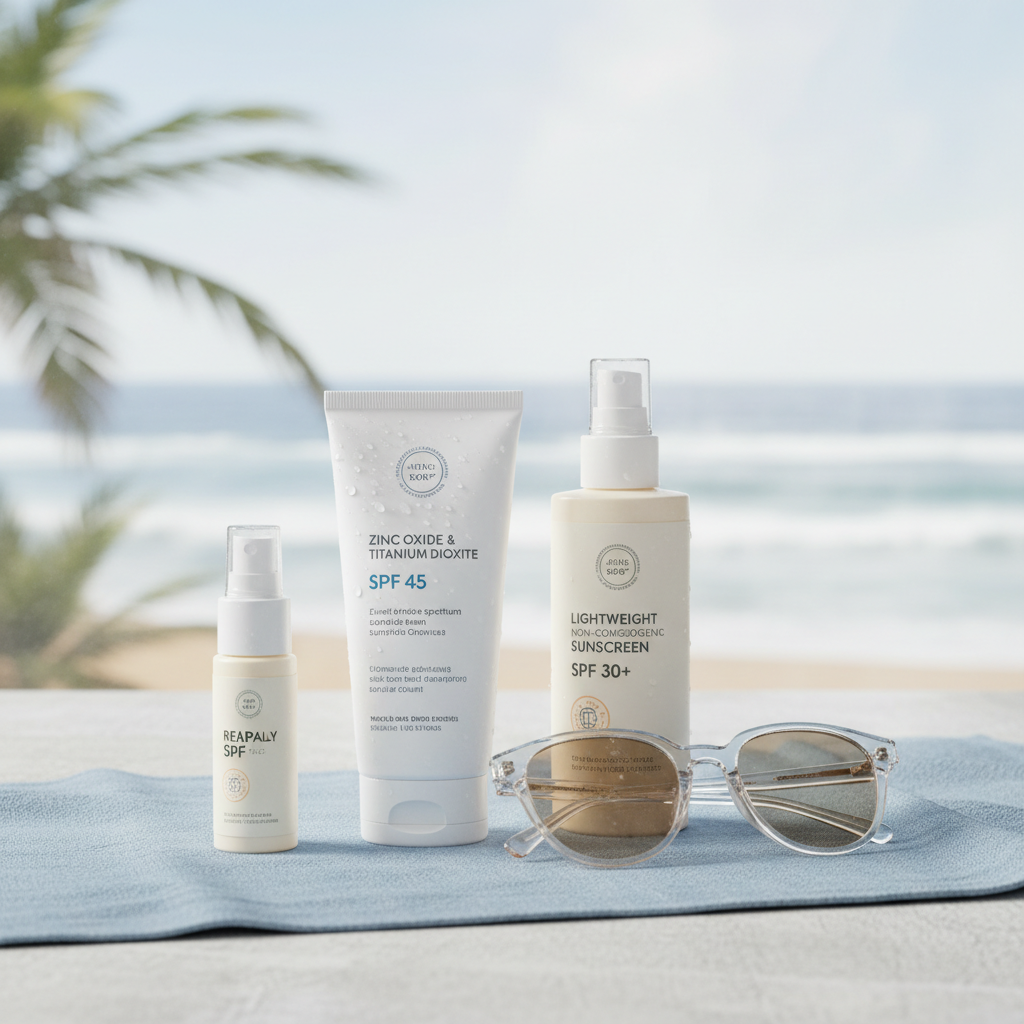
For humid US summers, the best SPF strategy involves choosing a broad-spectrum mineral sunscreen (zinc oxide, titanium dioxide) with an SPF of 30-50+, prioritizing lightweight, non-comedogenic formulas that suit your specific skin type. Consistent and generous reapplication every two hours, or more often when sweating or swimming, is paramount to effective sun protection.
Introduction
As the US swelters through another humid summer, the quest for the perfect sunscreen becomes less about finding any protection and more about discovering the one that truly stands up to sweat, humidity, and the unique challenges of warmer climates. In 2026, with an ever-evolving landscape of skincare science and product innovation, navigating SPF choices for hot, sticky days requires a discerning eye. This guide will equip you with the expert knowledge to select an SPF that not only shields your skin effectively but also feels comfortable and supports your overall skin health, even when the mercury rises.
What Makes Humid US Summers So Challenging for SPF?
Humid US summers present a unique gauntlet for skincare, particularly sunscreen. The combination of high temperatures, elevated moisture in the air, and increased sweat production can compromise even the most robust SPF formulations.
The Triple Threat: Sweat, Humidity, and UV Intensity
- Sweat and Sebum Production: High temperatures naturally trigger increased sweat and sebum (oil) production. This can cause sunscreens to feel heavy, greasy, or even run into your eyes, leading to irritation and reduced efficacy. For those with oily or acne-prone skin, this often exacerbates breakouts.
- Humidity’s Impact on Formula Feel: High humidity can make rich or occlusive formulas feel suffocating on the skin, creating a sticky sensation that many find intolerable. Products that might feel comfortable in drier climates can become unbearable in places like Florida, Texas, or the Mid-Atlantic.
- Elevated UV Index: Many regions across the US, especially the South and Southwest, experience consistently high UV indexes throughout the summer. This means your skin is exposed to more intense UVA (aging) and UVB (burning) radiation, necessitating diligent and effective protection.
These factors underscore the need for sunscreens specifically designed to withstand these conditions, offering robust protection without compromising comfort or skin health.
Mineral vs. Chemical Sunscreens: Which Formulation Reigns Supreme for Humidity?
The perennial debate between mineral (physical) and chemical sunscreens takes on new relevance when battling humidity. Both have merits, but their mechanisms and feel on the skin differ significantly.
Understanding Mineral (Physical) Sunscreens
Mineral sunscreens typically contain two active ingredients: Zinc Oxide and Titanium Dioxide. These work by sitting on top of the skin and physically blocking and scattering UV rays away from the skin, like a shield. They offer broad-spectrum protection, guarding against both UVA and UVB.
- Pros for Humid Summers:
- Gentle and Less Irritating: Often preferred for sensitive, acne-prone, or post-procedure skin as they are less likely to cause irritation.
- Immediate Protection: Effective immediately upon application, no waiting period required.
- Non-Comedogenic Options: Many mineral formulas are designed to be non-comedogenic, reducing the risk of clogged pores and breakouts.
- Skin Barrier Support: Zinc oxide, in particular, has mild anti-inflammatory properties and can be soothing, benefiting a stressed skin barrier – a key focus in 2026 skincare.
- Cons for Humid Summers:
- Potential White Cast: Historically, mineral sunscreens were known for leaving a noticeable white cast, especially on darker skin tones. However, micronized and tinted formulations have vastly improved this.
- Thicker Texture: Some formulations can feel thicker, though advancements have led to incredibly lightweight, fluid mineral options.
Understanding Chemical Sunscreens
Chemical sunscreens work by absorbing UV radiation and converting it into heat, which is then released from the skin. Common FDA-approved active ingredients in the US include Avobenzone, Oxybenzone (though its use is declining due to environmental and health concerns), Octinoxate, Octisalate, Homosalate, and Octocrylene.
- Pros for Humid Summers:
- Cosmetically Elegant: Tend to be more lightweight, sheer, and blend seamlessly into the skin without a white cast.
- Easier to Formulate: Often easier for manufacturers to create water-resistant and sweat-resistant formulas.
- Cons for Humid Summers:
- Potential for Irritation: Some individuals, particularly those with sensitive skin, may experience irritation or allergic reactions to certain chemical filters.
- Heat Generation: The conversion of UV into heat can sometimes feel slightly warming on the skin, which might be less desirable in already hot conditions.
- Absorption Concerns: While generally considered safe by dermatologists, ongoing research and consumer preference are shifting towards mineral filters due to concerns about systemic absorption of some chemical filters.
Dermatologist Consensus: While the FDA continues to review and update its stance on various chemical filters, the general dermatologist consensus emphasizes that any sunscreen you will consistently use is better than none. However, for humid summers, especially for sensitive or acne-prone skin, many experts lean towards modern, lightweight mineral formulations due to their gentleness and improved cosmetic elegance.
What SPF Number and Broad-Spectrum Protection Do I Actually Need?
Choosing the right SPF number and ensuring broad-spectrum coverage are non-negotiable for effective sun protection, particularly in the intense sun of US summers.
Decoding SPF Numbers: 30, 50, or Higher?
The SPF (Sun Protection Factor) number indicates how long it would take for UVB rays to redden your skin when using the product exactly as directed, compared to how long it would take without sunscreen. It’s a measure of protection against UVB rays, which are the primary cause of sunburn.
- SPF 30: Blocks approximately 97% of UVB rays. This is considered the minimum for daily use by dermatologists.
- SPF 50: Blocks approximately 98% of UVB rays. While the percentage increase from SPF 30 isn’t massive, that extra 1% can make a difference during prolonged exposure or for very fair skin.
- SPF 50+: Blocks slightly more than SPF 50, often indicating products at the higher end of the protection spectrum.
For humid US summers, an SPF 30 or higher is essential. If you’re spending extended time outdoors, swimming, or have a history of sun damage, opting for SPF 50 or 50+ provides an extra margin of safety. Remember, no sunscreen blocks 100% of UV rays, and the SPF number only addresses UVB, not UVA.
The Non-Negotiable: Broad-Spectrum Protection
While SPF primarily relates to UVB protection, broad-spectrum protection is crucial because it indicates that the sunscreen also protects against UVA rays. UVA rays penetrate deeper into the skin and are responsible for premature aging (wrinkles, fine lines, age spots) and contribute to skin cancer.
Always look for the “Broad Spectrum” label on your sunscreen. Without it, you’re only getting partial protection against the sun’s damaging rays.
How Do Different Skin Types Influence My SPF Choice?
Your skin type plays a pivotal role in determining which SPF will feel best and perform optimally in humid conditions. A one-size-fits-all approach rarely works.
Tailoring SPF to Your Skin’s Needs
- Oily/Acne-Prone Skin:
Look for terms like “oil-free,” “non-comedogenic,” “mattifying,” or “gel/fluid texture.” Mineral sunscreens with zinc oxide can be beneficial due to their anti-inflammatory properties. Ingredients like Niacinamide (to help regulate oil and strengthen the skin barrier) or even a touch of Salicylic Acid (a beta-hydroxy acid that can help exfoliate pores) can be excellent companions in these formulations.
- Dry/Mature Skin:
Even in humidity, dry skin needs hydration. Seek out creamy, hydrating formulas that don’t feel heavy. Ingredients like Hyaluronic Acid (a humectant that draws moisture into the skin without greasiness), Ceramides (lipid molecules that help restore the skin barrier), and Peptides (amino acids that support collagen production) can offer both protection and nourishment. Avoid overly mattifying formulas that can emphasize dryness.
- Sensitive Skin:
Mineral sunscreens (zinc oxide, titanium dioxide) are generally the gold standard for sensitive skin due to their inert nature. Choose fragrance-free, dye-free, and hypoallergenic formulas. Look for soothing ingredients like Niacinamide or plant extracts. Patch testing new products on a small area of skin is always a good practice.
- Combination Skin:
Combination skin can be tricky, often requiring a balanced approach. Many find success with lightweight, fluid mineral sunscreens that offer a natural finish, neither too matte nor too dewy. If you have distinct oily and dry zones, you might even consider using slightly different products or applying a lighter layer to oilier areas.
Beyond the SPF: What Other Key Ingredients Should I Look For?
Modern sunscreens often go beyond just UV filters, incorporating beneficial skincare ingredients that enhance protection and address other skin concerns, particularly relevant for 2026’s skin barrier focus.
Power-Packed Actives for Summer Skin
- Antioxidants (Vitamin C & E): These powerful ingredients, like Vitamin C (an antioxidant that brightens skin, reduces hyperpigmentation, and boosts collagen production) and Vitamin E (a fat-soluble antioxidant that helps protect cell membranes), help neutralize free radicals generated by UV exposure and environmental pollutants, offering an extra layer of defense.
- Niacinamide (Vitamin B3): A true multitasker, Niacinamide helps improve skin barrier function, reduce inflammation, minimize pore appearance, and regulate oil production. It’s a fantastic addition for almost all skin types, especially in humid conditions.
- Hyaluronic Acid: For lightweight hydration without heaviness, Hyaluronic Acid is invaluable. It attracts and holds up to 1,000 times its weight in water, keeping skin plump and moisturized without feeling occlusive.
- Ceramides: Integral to a healthy skin barrier, Ceramides are lipids that help hold skin cells together, preventing moisture loss and protecting against environmental aggressors. Their inclusion in SPF supports the skin barrier, a critical concept in contemporary skincare.
- Peptides: Small chains of amino acids, Peptides can signal the skin to produce more collagen, improve elasticity, and reduce inflammation, contributing to overall skin health and resilience against environmental stress.
Ingredients to Potentially Limit in Humid Conditions: While not universally bad, very heavy oils or excessive fragrance can sometimes exacerbate issues in humid environments. Heavy oils might feel too occlusive, and fragrances can irritate sensitive skin when combined with sweat.
The Reapplication Revolution: How Often and How Much?
Even the “best” sunscreen is ineffective if not applied correctly and consistently. In 2026, the science of sunscreen reapplication is more refined than ever, emphasizing frequency and adequate quantity.
Mastering the Art of Reapplication
- The Two-Hour Rule: The golden rule remains: reapply sunscreen every two hours, regardless of the SPF number. UV filters degrade over time and with exposure, and the product can be diluted by sweat or water.
- After Swimming or Sweating: If you’ve been swimming, vigorously exercising, or sweating heavily, reapply immediately after towel drying, even if it’s been less than two hours. Look for “water-resistant” or “very water-resistant” labels (indicating 40 or 80 minutes of efficacy, respectively).
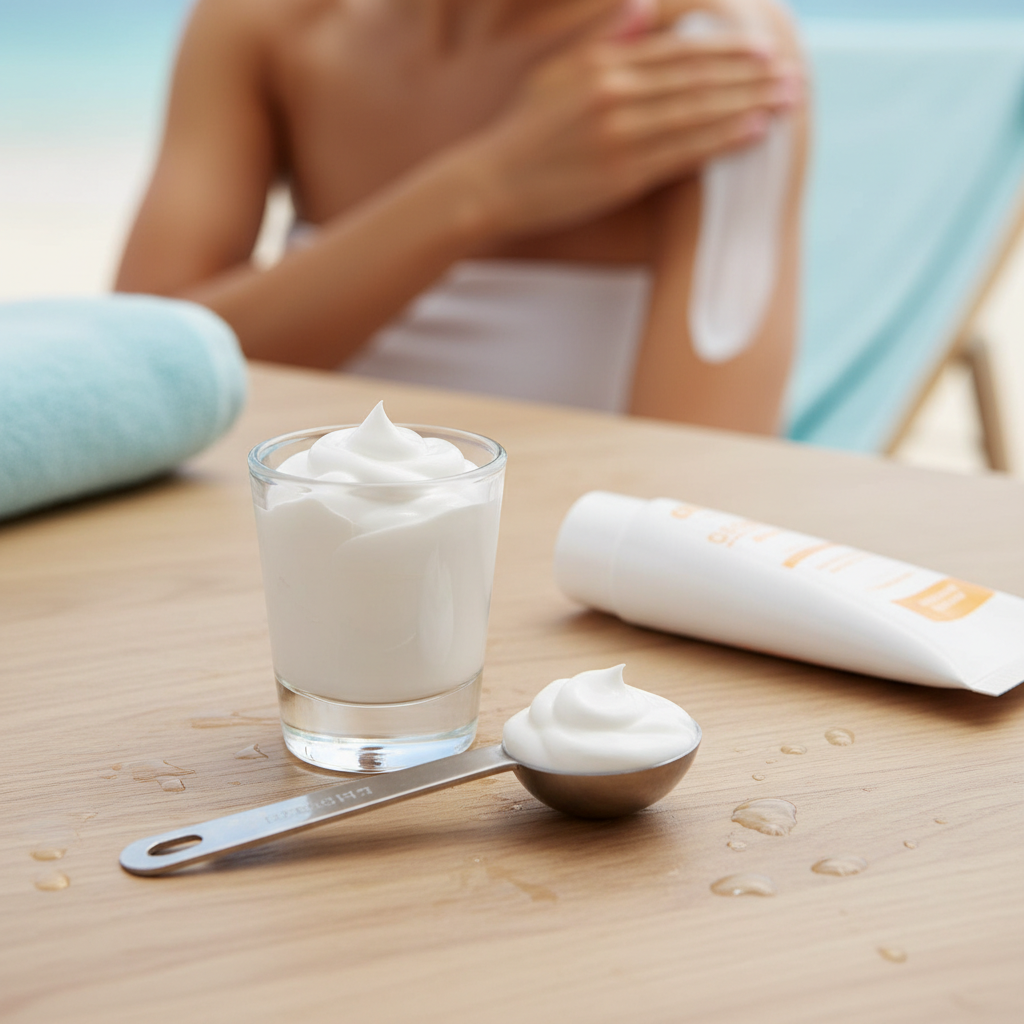
- The “Shot Glass” Rule: For your face and neck, aim for about a nickel-sized dollop. For your entire body, dermatologists recommend roughly one ounce, or enough to fill a shot glass. Most people apply far less than this, significantly reducing the stated SPF.
- Don’t Forget Overlooked Areas: Lips (use an SPF lip balm), ears, neck, chest, scalp (if exposed), and the tops of your feet are common areas for sun damage.
- Reapplication Over Makeup: This can be a challenge. Options include:
- SPF Mists: Offer a quick, sheer layer of protection. Ensure you apply enough to be effective.
- SPF Powders: Great for mattifying and adding a mineral layer, but often don’t provide sufficient standalone protection; best for touch-ups.
- SPF Sticks: Can be dabbed and gently blended, especially for specific areas.
- Beauty Sponges: Dampen a beauty sponge and gently press a fluid SPF over makeup.
The key is to apply a substantial enough layer without disturbing your makeup too much.
The rise of dermal-grade at-home tools and advanced skincare routines means that protecting your investment in your skin health with diligent SPF use is more critical than ever. Consistent reapplication is the cornerstone of preventing photoaging and skin cancer.
Drugstore vs. Prestige: Does Price Guarantee Better Protection?
It’s a common dilemma: splurge on a luxury brand or save with a drugstore staple? When it comes to SPF, the answer might surprise you.
Efficacy vs. Experience
In the United States, all sunscreens are regulated as over-the-counter (OTC) drugs by the FDA. This means that the active ingredients (like zinc oxide, titanium dioxide, or chemical filters) and their concentrations must meet strict standards to be approved and marketed with an SPF claim. Therefore, a drugstore SPF 30 offers the same level of UVB protection as a prestige SPF 30, assuming both are broad-spectrum and applied correctly.
- What You Pay For in Prestige:
- Cosmetic Elegance: Often superior textures, lighter feel, quicker absorption, and less white cast.
- Added Skincare Benefits: More likely to include a robust blend of antioxidants, peptides, ceramides, or other beneficial actives.
- Sensory Experience: Nicer packaging, subtle or no fragrance (or a pleasant, non-irritating one), and a generally more luxurious feel.
- Brand Story & Innovation: Sometimes leverage proprietary technologies or cutting-edge, though not always FDA-approved, ingredients.
- The Value of Drugstore Options:
- Accessibility: Widely available and affordable, making consistent use more feasible for many.
- Reliable Protection: If it meets FDA standards for SPF and broad-spectrum, it provides effective protection.
- Formulation Diversity: Many drugstore brands now offer excellent “clean” or mineral options that rival prestige formulations in texture and performance.
The Takeaway: Don’t let price be the sole determinant. The “best” sunscreen is the one you enjoy using enough to apply generously every day and reapply as needed. If a drugstore option fits your skin type and feels good, it’s just as effective at protecting your skin from UV damage as a more expensive one.
SPF Formulations for Humid Summers: A Quick Comparison
This table highlights different types of SPF formulations ideal for humid conditions, considering their benefits and suitability for various skin types.
| Product Type Example | Key Benefits for Humidity | Ideal Skin Type | Noteworthy Actives/Features |
|---|---|---|---|
| SkincareNA Featherlight Mineral Fluid SPF 50 | Ultra-lightweight, non-greasy, resists sweat, minimal white cast. | Oily, Acne-Prone, Sensitive, Combination | Zinc Oxide, Titanium Dioxide, Niacinamide, Antioxidant blend (Vitamin E) |
| DermProtect Hydro-Gel SPF 40 (Chemical) | Invisible finish, cooling sensation, fast-absorbing, water-resistant. | Normal, Combination, Oily (if not sensitive to chemical filters) | Avobenzone, Octisalate, Homosalate, Hyaluronic Acid, Aloe Vera |
| GlowGuard Tinted Mineral Stick SPF 30 | Portable reapplication, sheer tint evens tone, good for touch-ups. | All Skin Types (especially for on-the-go) | Zinc Oxide, Titanium Dioxide, Iron Oxides (for tint), Ceramides |
| BarrierBoost Cream SPF 50+ (Mineral) | Hydrating yet non-occlusive, fortifies skin barrier, soothing. | Dry, Sensitive, Mature, Normal | Zinc Oxide, Titanium Dioxide, Hyaluronic Acid, Ceramides, Peptides |
| ClearShield SPF 30 Mist (Chemical) | Effortless reapplication over makeup, quick-drying, non-sticky. | Normal, Combination (for touch-ups) | Avobenzone, Octocrylene, Octinoxate, Green Tea Extract |
Essential Tips for Summer SPF Success
Beyond choosing the right product, mastering your application technique and routine is crucial for maximizing sun protection during humid US summers.
- Apply Generously: Most people use too little sunscreen. Aim for the “shot glass” amount for your body and a nickel-sized dollop for your face.
- Reapply Diligently: Every two hours is the minimum. Increase frequency after swimming, heavy sweating, or towel drying.
- Don’t Forget the Details: Cover often-missed spots like ears, neck, chest, hands, feet, and lips.
- Combine with Other Sun Protection: Sunscreen is your first line of defense, but not your only one. Seek shade, wear wide-brimmed hats, UV-protective clothing, and sunglasses, especially during peak UV hours (10 AM – 4 PM).