AI is revolutionizing skincare in 2026 by offering unprecedented personalization, moving beyond generic advice to scientifically tailor routines based on individual skin data, environmental factors, and lifestyle. Leading brands are leveraging AI-powered diagnostics and product formulations to provide targeted solutions, ensuring consumers invest in effective treatments for their unique skin concerns. This shift promises more predictable results and empowers users with a deeper understanding of their skin’s needs.
Introduction
The year 2026 marks a pivotal moment in skincare, as artificial intelligence transitions from a futuristic concept to an indispensable tool for achieving truly personalized beauty. Gone are the days of endless trial and error; AI is now empowering consumers and brands alike to unlock skin’s full potential with data-driven precision.
How Is AI Actually Transforming Personalized Skincare in 2026?
In 2026, AI’s role in skincare extends far beyond simple product recommendations. It’s about creating a dynamic, responsive ecosystem that understands your skin almost as well as a dermatologist, but with constant, real-time adjustments. This transformation is driven by several key advancements:
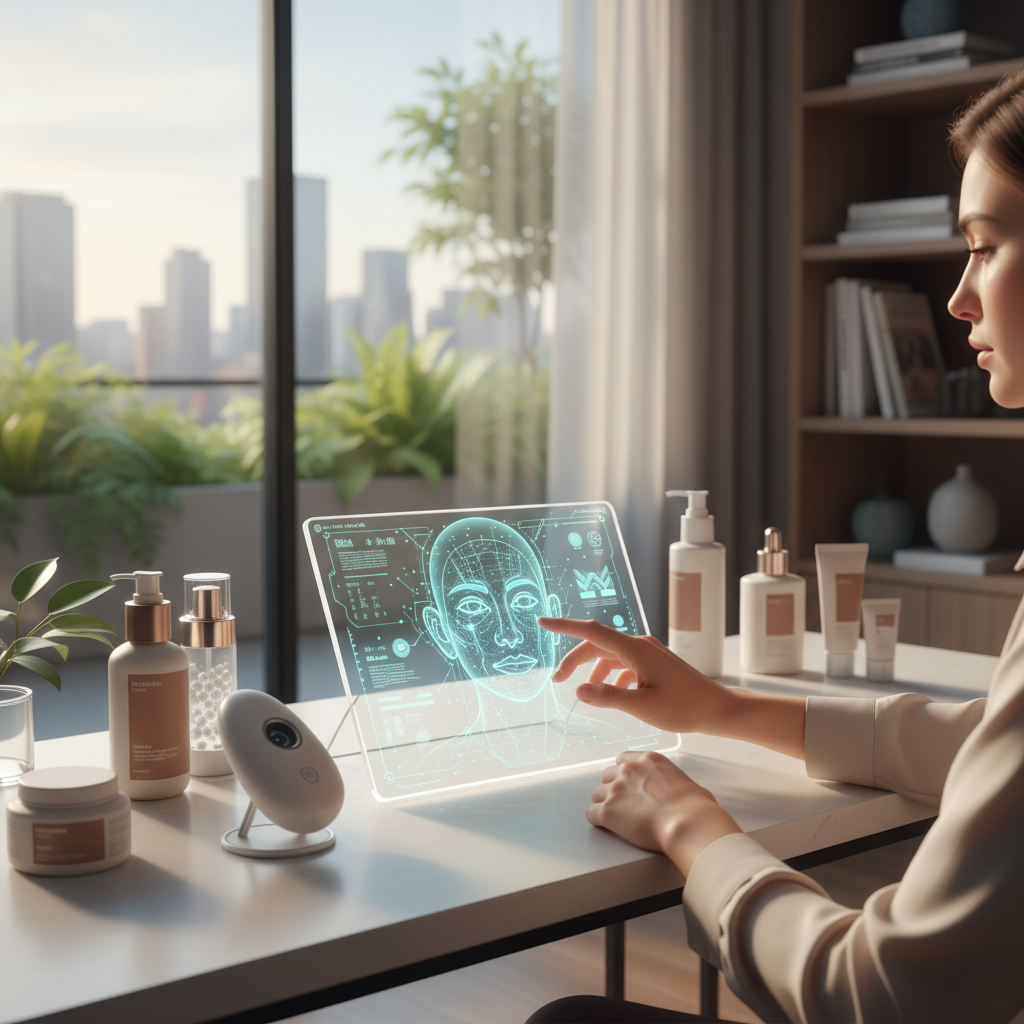
- Advanced Skin Diagnostics: AI-powered apps and smart mirrors utilize high-resolution imaging and sophisticated algorithms to analyze skin concerns like texture, redness, hyperpigmentation, pore size, and fine lines. They can even detect subtle changes over time, offering a more objective assessment than the human eye.
- Predictive Analytics: Beyond current conditions, AI considers external factors. It integrates data on local humidity, UV index, pollution levels, and even your reported sleep patterns or stress levels to predict how these might impact your skin, proactively suggesting adjustments to your routine.
- Hyper-Personalized Formulations: Some brands are now using AI to formulate custom serums or moisturizers on demand, blending specific active ingredients in precise concentrations tailored to your unique profile. This moves beyond ‘off-the-shelf’ solutions to truly bespoke products.
- Dynamic Routine Optimization: AI doesn’t just recommend a routine; it helps you optimize it. It can suggest when to incorporate a new active, how to layer products for maximum efficacy, or even prompt you for sunscreen reapplication based on your activity and UV exposure.
Beyond the Buzz: The Science Behind AI Skin Analysis
At its core, AI skin analysis relies on machine learning algorithms trained on vast datasets of skin images and associated dermatological data. When you upload a selfie or use a smart device, the AI compares your skin’s features to its extensive database, identifying patterns indicative of various conditions or needs. For instance, it can differentiate between various types of redness, assess the depth of wrinkles, or quantify the severity of acne. This data, combined with your lifestyle inputs, allows the AI to construct a comprehensive skin profile, offering recommendations that are both precise and evidence-informed.
Which Top Skincare Brands Are Leading the AI Personalization Wave?
The shift towards AI-driven personalization is evident across the industry, with both established giants and innovative startups embracing the technology. While we won’t name specific new products, the approaches taken by leading brands generally fall into a few categories:
- The Custom Formulators: These brands, often prestige, excel at creating bespoke products. After an AI-powered skin analysis (sometimes involving a home DNA kit or detailed questionnaire), they formulate a unique serum or cream with a precise blend of active ingredients, delivered directly to your door. Their AI continuously monitors your progress and adjusts future formulations.
- The Routine Optimizers: More accessible brands often focus on optimizing routines using their existing product lines. Their AI platforms guide users through product selection, layering techniques, and usage frequency, leveraging their extensive catalog to build a personalized regimen. They might offer virtual consultations where AI assists a human expert.
- The Smart Device Integrators: A growing number of brands are developing smart devices that work in tandem with AI. Think handheld skin scanners that provide real-time feedback on hydration levels or smart patches that monitor environmental exposure, all feeding data into an AI platform that adjusts your product recommendations.
- The Ingredient Matchmakers: These platforms prioritize matching your skin’s needs with specific active ingredients. Their AI identifies your primary concerns and then recommends products (often from a curated marketplace) featuring the most effective actives in appropriate concentrations, backed by dermatological consensus.
Drugstore vs. Prestige: Is AI Accessible to Everyone?
Absolutely. While prestige brands often lead with advanced, highly customized formulations, drugstore brands are rapidly integrating AI into their digital platforms. For example, many affordable brands now offer AI-powered skin quizzes on their websites, providing personalized product recommendations from their extensive, accessible ranges. The sophistication might differ – prestige offerings might involve more complex bio-data or custom blending – but the core benefit of tailored advice is increasingly available at all price points. This democratization of AI in skincare means that effective, personalized routines are no longer exclusive.
What Specific Actives Does AI Recommend for Different Skin Concerns?
AI’s strength lies in its ability to match specific concerns with scientifically proven active ingredients, optimizing their use for maximum benefit. Here’s how AI might guide you:
- Retinol/Retinal: These Vitamin A derivatives are powerhouse anti-agers, promoting cell turnover to reduce fine lines, wrinkles, and hyperpigmentation. AI helps determine the optimal concentration and frequency based on your skin’s tolerance.
- Niacinamide (Vitamin B3): A versatile active that AI frequently recommends for various skin types. It helps strengthen the skin barrier, reduce inflammation and redness, minimize pore appearance, and regulate oil production.
- Hyaluronic Acid: A humectant that draws moisture into the skin, providing intense hydration and plumping effects. AI ensures it’s incorporated effectively for dry or dehydrated skin, often suggesting products with multiple molecular weights for deeper penetration.
- Vitamin C (Ascorbic Acid): A potent antioxidant that brightens skin, evens tone, and protects against environmental damage. AI considers your skin sensitivity and selects the most stable and effective form of Vitamin C for your routine.
- Salicylic Acid (BHA): A beta-hydroxy acid that is oil-soluble, allowing it to penetrate pores and exfoliate from within. AI recommends it for oily, acne-prone, and congested skin types to clear blackheads and breakouts.
- Alpha Hydroxy Acids (AHAs – Glycolic, Lactic Acid): Water-soluble exfoliants that work on the skin’s surface to improve texture, brightness, and reduce hyperpigmentation. AI helps balance their use to avoid over-exfoliation.
- Peptides: Short chains of amino acids that signal the skin to produce more collagen and elastin, promoting firmness and reducing wrinkles. AI often suggests specific peptide complexes for targeted anti-aging benefits.
- Mineral SPF (Zinc Oxide, Titanium Dioxide): Essential for sun protection, these physical blockers sit on the skin’s surface to deflect UV rays. AI emphasizes their daily use and guides on reapplication, especially with new reapplication science showing how quickly efficacy can drop.
- Ceramides: Lipids naturally found in the skin barrier, essential for maintaining moisture and protecting against irritants. AI recommends ceramides for compromised or dry skin to restore barrier function.
Retinal vs. Retinol: What’s the AI-Driven Consensus for 2026?
In 2026, AI-driven recommendations are increasingly favoring retinaldehyde (retinal) for its enhanced efficacy and reduced irritation potential compared to traditional retinol. Retinal is one step closer to retinoic acid (the active form of Vitamin A) than retinol, meaning it requires fewer conversion steps in the skin. This often translates to faster, more potent results in addressing signs of aging and acne, while many formulations have improved to be gentler on the skin barrier. AI helps users safely integrate retinal into their routines, often starting with lower concentrations and guiding gradual increases.
How Do AI-Driven Routines Compare for Oily, Dry, Sensitive, and Mature Skin Types?
AI’s true power lies in its ability to fine-tune routines for specific skin types, moving beyond generic advice to provide truly targeted solutions:
- Oily Skin: AI focuses on oil regulation and pore clarity. It recommends lightweight, non-comedogenic formulations, often suggesting salicylic acid, niacinamide, and mattifying ingredients. Hydration is still key, but with oil-free humectants like hyaluronic acid.
- Dry Skin: The AI prioritizes barrier repair and intense hydration. Recommendations include rich emollients, ceramides, hyaluronic acid, and occlusives to seal in moisture. It might suggest layering hydrating toners and essences before heavier creams.
- Sensitive Skin: AI’s careful approach identifies potential irritants and recommends soothing, fragrance-free formulations. Actives like niacinamide and centella asiatica are favored for their calming properties, and mineral SPF is consistently recommended over chemical filters.
- Mature Skin: Anti-aging and firmness are the focus. AI recommends retinal or retinol, peptides, Vitamin C, and rich moisturizers to address fine lines, wrinkles, and loss of elasticity. It also emphasizes consistent sun protection and barrier support to maintain skin resilience.
The Role of Dermatologist Consensus in AI Recommendations
While AI offers incredible personalization, it doesn’t operate in a vacuum. The algorithms are built upon vast datasets that include decades of dermatological research, clinical trials, and expert consensus. This means that AI recommendations are generally aligned with what a board-certified dermatologist would advise, especially regarding the use of FDA-approved actives. However, AI serves as a powerful tool to augment, not replace, professional medical advice. For persistent skin conditions or medical concerns, consulting a human dermatologist remains crucial.
Can AI Truly Optimize My Daily Skincare Routine and Product Choices?
Yes, AI is proving to be an invaluable co-pilot in navigating the complex world of skincare, offering optimization that goes beyond initial product selection. It helps you:
- Ensure Ingredient Compatibility: AI can analyze your chosen products to flag potential conflicts or redundancies, ensuring your actives work synergistically rather than irritating your skin.
- Guide Proper Application: Some AI platforms offer visual guides or reminders on how much product to use and in what order, crucial for maximizing efficacy.
- Track Progress & Adjust: By periodically re-evaluating your skin through selfies or smart devices, AI can track improvements or new concerns, then dynamically adjust your routine.
- Respond to Environmental Changes: Planning a beach vacation? AI can proactively suggest increasing your SPF, adding an antioxidant serum, or switching to lighter textures for humid climates.
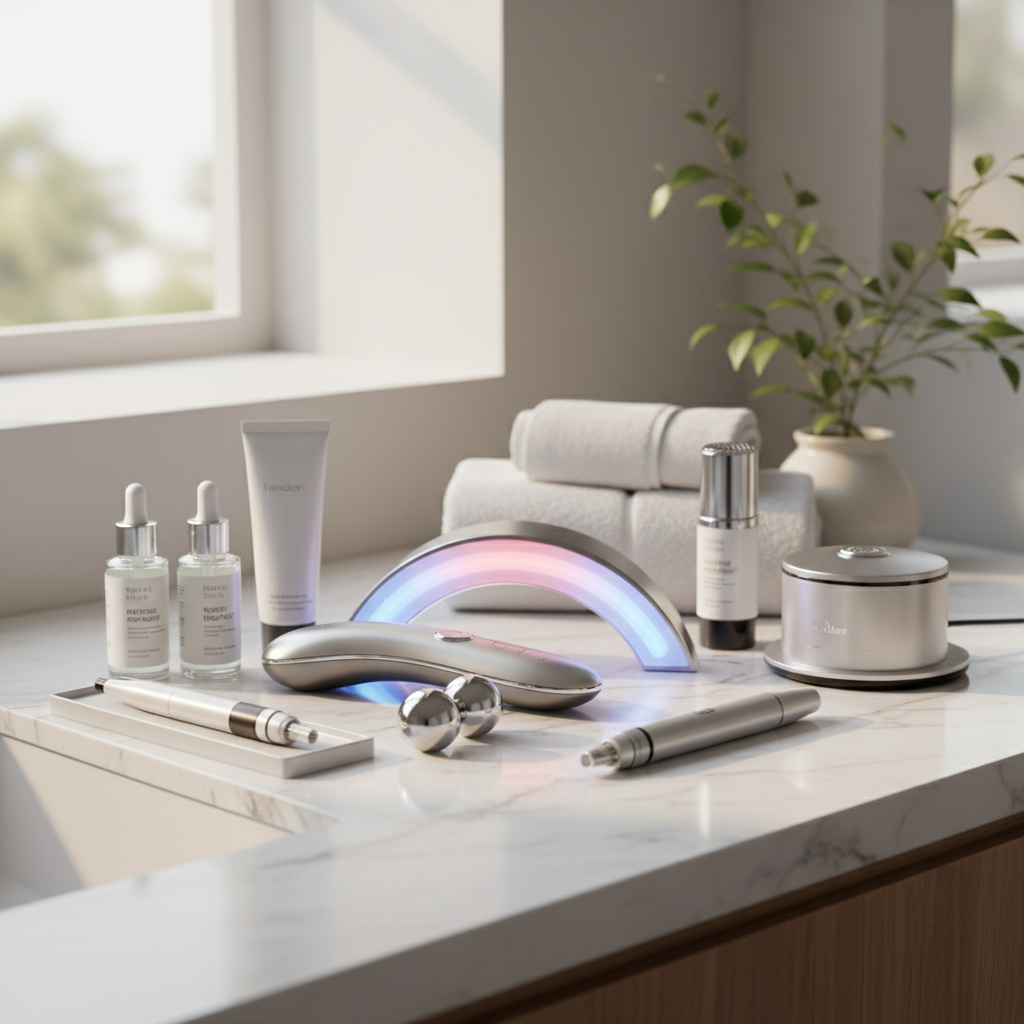
- Integrate with At-Home Tools: For users of dermal-grade at-home tools (like microcurrent devices or LED masks), AI can integrate these into your routine, advising on frequency and optimal pairing with topical products.
- Remind You to Reapply Sunscreen: Leveraging location data and activity levels, advanced AI can send personalized reminders to reapply your mineral SPF throughout the day, a critical aspect of modern sun protection science.
- Educate and Empower: Beyond recommendations, AI platforms often provide detailed explanations about ingredients and their benefits, empowering you to make informed decisions about your skin health.
Here’s a comparison of how AI might tailor product recommendations for different common concerns:
| Skin Concern | Key Actives Recommended by AI | Example AI-Personalized Product Type | Typical Product Goal |
|---|---|---|---|
| Fine Lines & Firmness | Retinal, Peptides, Vitamin C | Custom Anti-Aging Serum | Boost collagen, improve elasticity, reduce wrinkles |
| Persistent Dryness | Ceramides, Hyaluronic Acid, Squalane | Barrier-Repairing Moisture Cream | Restore skin barrier, provide deep, lasting hydration |
| Acne & Congestion | Salicylic Acid, Niacinamide, Azelaic Acid | Targeted Blemish Treatment | Clear pores, reduce inflammation, prevent breakouts |
| Redness & Sensitivity | Niacinamide, Centella Asiatica, Allantoin | Soothing Calming Essence | Reduce irritation, strengthen skin’s resilience |
| Uneven Tone & Radiance | Vitamin C, Alpha Arbutin, AHAs | Brightening Spot Corrector | Fade dark spots, enhance luminosity, refine texture |
Frequently Asked Questions
Is AI skincare FDA-approved?
While the AI technology itself is generally classified as a software tool rather than a medical device requiring FDA approval, the active ingredients recommended by AI-driven platforms often include those recognized and regulated by the FDA for specific uses, such as salicylic acid for acne or certain sunscreens. Brands offering personalized formulations ensure that their products adhere to all cosmetic regulations.
How often should I re-evaluate my AI-driven routine?
Most AI platforms recommend a check-in every 3-6 months, or whenever you experience significant lifestyle changes (e.g., new climate, increased stress, pregnancy) or notice a shift in your skin’s condition. The beauty of AI is its ability to adapt, so regular updates ensure your routine remains perfectly tuned to your evolving needs.
Can AI replace my dermatologist?
No, AI is a powerful tool for personalized skincare but cannot replace the diagnostic and treatment capabilities of a board-certified dermatologist. For chronic skin conditions, suspicious moles, severe acne, or any medical skin concerns, professional medical consultation is essential. AI can help optimize your daily routine, but a dermatologist provides medical expertise and intervention.
Are AI skincare recommendations safe for sensitive skin?
Yes, AI can be particularly beneficial for sensitive skin. By analyzing your skin’s reactivity and ingredient preferences, AI can recommend formulations free from common irritants like fragrance, harsh exfoliants, or specific allergens. It often suggests a gradual introduction of new actives at lower concentrations to build tolerance safely.
What about privacy with all this skin data?
Data privacy is a paramount concern for reputable AI skincare brands. They typically employ robust encryption, anonymize data where possible, and adhere to strict privacy policies. Always review a brand’s privacy statement to understand how your personal skin data is collected, stored, and used. Look for companies committed to transparency and user control over their information.
Conclusion
AI is not just a passing trend; it’s the definitive future of skincare personalization, offering a precise, dynamic, and profoundly effective path to healthier, more radiant skin. By embracing these intelligent tools, consumers can navigate the complex world of skincare with unprecedented confidence, armed with routines truly designed for their unique biological blueprint and lifestyle. In 2026, personalized skincare isn’t a luxury; it’s an accessible reality, thanks to the power of AI.