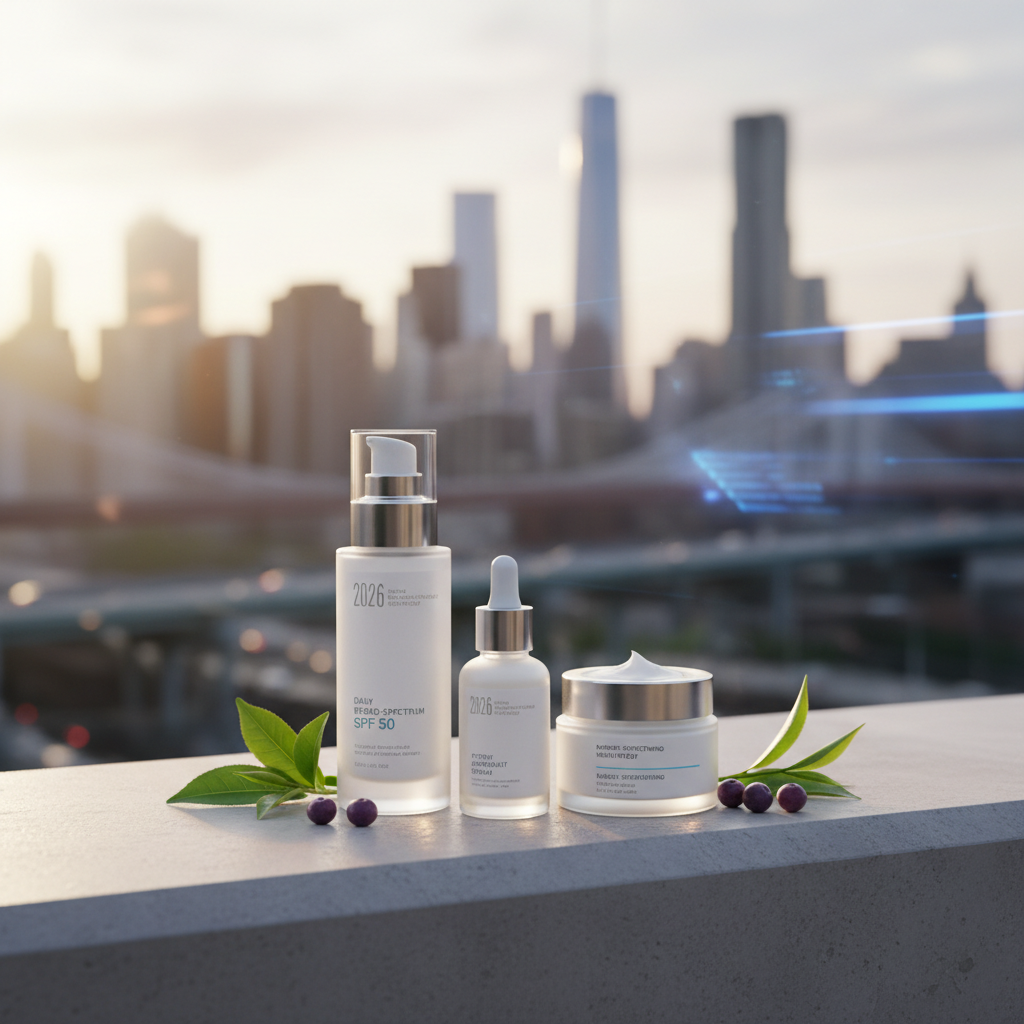
Skinimalism is a 2026 skincare trend in the US focused on simplifying routines to a few high-impact, multi-tasking products, prioritizing skin health and efficacy over excessive steps. It’s trending due to a collective desire for less complexity, greater sustainability, and a deeper understanding of barrier health, driven by post-pandemic shifts and expert consensus on ingredient synergy.
Introduction
In a world often pushing for more – more products, more steps, more complexity – a refreshing counter-movement is sweeping through the US skincare landscape in 2026: skinimalism. This isn’t just another buzzword; it’s a thoughtful, health-first approach that’s reshaping how women think about their daily routines.
What exactly is skinimalism, and why is it gaining traction now?
At its core, skinimalism is about stripping back your skincare routine to the essentials, focusing on a curated selection of effective, high-quality products that deliver maximum benefits with minimal fuss. It’s a philosophy that champions skin health, sustainability, and intentional consumption over the once-popular multi-step regimens that often led to confusion, product fatigue, and even compromised skin barriers.
The rise of skinimalism in 2026 isn’t accidental; it’s a response to several converging factors shaping the modern American woman’s lifestyle and values:
- Post-Pandemic Prioritization: After years of uncertainty, there’s a collective yearning for simplicity and authenticity. Skincare, once a complex ritual for some, is now seen as an opportunity to reduce mental load and focus on genuine self-care rather than an elaborate performance.
- Skin Barrier Focus: Dermatologists and skincare experts have increasingly highlighted the critical importance of a healthy skin barrier. Over-exfoliation, layering too many active ingredients, and using an excessive number of products can disrupt this barrier, leading to sensitivity, breakouts, and chronic irritation. Skinimalism naturally supports barrier health by reducing potential irritants and allowing the skin to function optimally.
- Sustainability and Conscious Consumption: Consumers are more aware than ever of their environmental footprint. A simplified routine means fewer products purchased, less packaging waste, and a more sustainable approach to beauty. This aligns with a broader movement towards ethical and eco-conscious living.
- Economic Savvy: With fluctuating economic landscapes, investing in fewer, more effective products makes financial sense. Skinimalism encourages smart spending on formulations that truly work, rather than accumulating an arsenal of single-purpose items.
- Ingredient Intelligence: The 2020s have seen an explosion in skincare education. Women are more informed about active ingredients and understand that a handful of well-chosen components can often outperform a dozen disparate products. This knowledge empowers them to make smarter, more minimalist choices.
In essence, skinimalism is a rebellion against unnecessary complexity, embracing a “less is more” ethos that respects both the skin’s natural functions and the planet’s resources.
How does skinimalism compare to traditional multi-step routines?
For years, the beauty industry championed elaborate, multi-step routines, often involving 7, 10, or even 12 different products applied in a specific order. While these routines promised comprehensive care, they often came with hidden costs – not just financial, but also in terms of time, potential irritation, and decision fatigue. Skinimalism offers a stark contrast, emphasizing efficiency and targeted action.
The Multi-Step Paradigm: Pros and Cons
Traditional multi-step routines often involve:
- Multiple Cleansers: Oil cleansers, foam cleansers, micellar waters.
- Toners & Essences: Hydrating, balancing, or prep steps.
- Multiple Serums: Targeting various concerns like anti-aging, brightening, hydration, acne.
- Treatment Products: Spot treatments, retinoids, exfoliants.
- Moisturizers: Day creams, night creams, eye creams.
- SPF: Often a final, separate step.
Pros: Can address multiple concerns simultaneously (if done correctly); sensorial experience; opportunity for self-care ritual.
Cons: Time-consuming; expensive; increased risk of irritation from ingredient overload; potential for product pilling; difficulty identifying which product is causing an issue; often unnecessary for healthy skin.
The Skinimalist Approach: A Focused Strategy
Skinimalism streamlines this process dramatically, often boiling it down to 3-5 core products that serve multiple functions. The focus is on a strategic selection of ingredients that complement each other and support overall skin health.
Consider this comparison:
| Feature | Traditional Multi-Step Routine | Skinimalist Routine | Targeted Skinimalist Routine (Example) |
|---|---|---|---|
| Number of Products | 7-12+ | 3-5 | 4-6 (specific concerns) |
| Time Commitment | 10-20 minutes, twice daily | 3-5 minutes, twice daily | 5-8 minutes, twice daily |
| Cost (Annual Estimate) | High (hundreds to thousands) | Moderate (focused investment) | Moderate-High (premium actives) |
| Primary Focus | Addressing every perceived concern, layering | Skin barrier health, core needs, prevention | Core needs + specific, targeted concerns |
| Risk of Irritation | Higher (over-exfoliation, too many actives) | Lower (gentle, few ingredients) | Low-Moderate (careful active selection) |
| Example Morning Routine | Oil cleanser, foam cleanser, toner, essence, 3 serums, eye cream, moisturizer, SPF | Gentle cleanser (optional), Vitamin C serum + SPF moisturizer | Gentle cleanser, Niacinamide serum, SPF 30+ moisturizer |
| Example Evening Routine | Double cleanse, exfoliating toner, 2 serums, retinal, eye cream, heavy night cream, facial oil | Gentle cleanser, Retinoid serum, Ceramide-rich moisturizer | Gentle cleanser, Peptide serum, Retinal, Hydrating moisturizer |
The shift to skinimalism isn’t about doing less; it’s about doing *smarter*. It encourages understanding your skin’s true needs and selecting products that work synergistically, rather than overwhelming it.
Which key ingredients are essential for a skinimalist approach?
The beauty of skinimalism lies in its emphasis on powerful, multi-tasking ingredients. Instead of reaching for a separate product for every concern, you’ll find formulations that combine several beneficial actives. Here are some of the stars of a skinimalist routine:
- Gentle Cleanser: The foundation. A mild, pH-balanced cleanser removes impurities without stripping the skin’s natural oils. Look for formulations with ceramides or glycerin to maintain barrier integrity.
- Mineral SPF (Zinc Oxide, Titanium Dioxide): Non-negotiable. Mineral sunscreens provide broad-spectrum protection against UVA/UVB rays, are generally well-tolerated by sensitive skin, and are a crucial step in preventing premature aging and skin cancer. Modern formulations are much less visible than older versions. The 2026 understanding of sunscreen emphasizes consistent reapplication, especially when outdoors.
- Retinoids (Retinol, Retinaldehyde): The gold standard for anti-aging and acne.
- Retinol: A vitamin A derivative that promotes cell turnover, reduces fine lines, improves texture, and helps with acne. It’s potent but requires consistent use and careful introduction.
- Retinal (Retinaldehyde): A newer, more potent form of vitamin A than retinol, converting to retinoic acid in fewer steps, making it faster-acting and often better tolerated than prescription retinoic acid. It’s a key ingredient for those seeking advanced anti-aging and clarity in a minimalist routine.
These should be used primarily at night and always followed by SPF in the morning.
- Niacinamide (Vitamin B3): A true multi-tasker. Niacinamide helps strengthen the skin barrier, reduces redness and inflammation, minimizes the appearance of pores, regulates oil production, and offers antioxidant benefits. It pairs well with most other actives.
- Hyaluronic Acid (HA): The ultimate hydrator. HA attracts and holds up to 1,000 times its weight in water, providing intense hydration, plumping the skin, and improving elasticity. It’s often found in serums and moisturizers.
- Vitamin C (L-Ascorbic Acid): A powerful antioxidant. Vitamin C brightens the complexion, evens skin tone, stimulates collagen production, and protects against environmental damage. Best used in the morning to leverage its antioxidant power against daily aggressors.
- Ceramides: Essential lipids. Ceramides are naturally found in the skin barrier and are crucial for maintaining its integrity and preventing moisture loss. Products rich in ceramides are excellent for restoring and strengthening the skin barrier, a core tenet of skinimalism.
- AHAs (Alpha Hydroxy Acids – Glycolic, Lactic Acid): Chemical exfoliants. AHAs gently dissolve dead skin cells, improving skin texture, tone, and radiance. They can be incorporated sparingly, perhaps 2-3 times a week, into a skinimalist routine for a targeted exfoliation boost without overdoing it.
The trick is not to use all of these at once, but to select a few that address your primary concerns and combine them intelligently within a simple framework. For example, a morning routine might be a gentle cleanse, Vitamin C serum, and an SPF moisturizer. An evening routine could be a gentle cleanse, a retinoid, and a ceramide-rich moisturizer.
Can skinimalism work for my specific skin type?
Absolutely. One of the strengths of skinimalism is its adaptability. By focusing on core principles and understanding your skin’s unique needs, you can tailor a minimalist routine that delivers optimal results, regardless of your skin type.
Oily/Acne-Prone Skin
Focus: Gentle cleansing, oil regulation, anti-inflammatory, and targeted treatment for breakouts.
Key Actives: Salicylic acid (BHA) for pore decongestion, niacinamide for oil control and barrier support, retinal for acne and texture improvement.
Routine Tip: A gentle foaming cleanser, a niacinamide serum, and a lightweight gel moisturizer with SPF in the morning. At night, swap the serum for a retinal product, followed by the same lightweight moisturizer. Salicylic acid can be used as a targeted spot treatment or in a cleanser/toner 2-3 times a week.
Dry Skin
Focus: Hydration, barrier repair, moisture retention.
Key Actives: Hyaluronic acid, ceramides, glycerin, emollients (squalane, shea butter).
Routine Tip: A non-foaming cream cleanser, a hyaluronic acid serum, and a rich, ceramide-infused moisturizer with SPF in the morning. At night, cleanse, apply a hydrating serum, and follow with a thicker cream or balm, potentially incorporating a gentle retinoid a few times a week if tolerated.
Combination Skin
Focus: Balancing oil production in some areas while hydrating dry patches.
Key Actives: Niacinamide, hyaluronic acid, gentle AHAs.
Routine Tip: A balanced cream-to-foam cleanser, a niacinamide serum, and a hydrating lotion with SPF in the morning. Evening routine might include a retinoid serum or a gentle AHA treatment (2-3 times/week) followed by a balanced moisturizer, perhaps a slightly richer one for drier areas.
Sensitive Skin
Focus: Calming, barrier protection, avoiding irritants.
Key Actives: Ceramides, niacinamide, colloidal oatmeal, centella asiatica. Avoid fragrances, harsh alcohols, and excessive exfoliation.
Routine Tip: An ultra-gentle, fragrance-free cream cleanser, a calming serum with niacinamide or ceramides, and a mineral SPF moisturizer. At night, simply cleanse and apply a rich, barrier-repairing cream. Introduce any actives (like a very mild retinoid or AHA) with extreme caution and patch testing.
Mature Skin
Focus: Anti-aging, hydration, collagen support, barrier strength.
Key Actives: Retinoids (retinal), peptides, vitamin C, hyaluronic acid, ceramides.
Routine Tip: A hydrating cream cleanser, a vitamin C serum, and a rich SPF moisturizer in the morning. At night, cleanse, apply a powerful retinoid (like retinal) or a peptide serum, followed by a deeply hydrating and nourishing moisturizer. Consistency with SPF is paramount for preventing further signs of aging.
The key for all skin types is to listen to your skin. Start with the core three (cleanser, moisturizer, SPF) and slowly introduce one active at a time, observing how your skin responds. This allows for a truly personalized and effective minimalist approach.
How can I build an effective skinimalist routine without sacrificing results?
Building a minimalist routine that actually works is about strategic product selection and understanding your skin’s true needs, not just cutting corners. Here’s a practical guide:
- Assess Your Skin’s Core Needs: Before buying anything, take stock. Is your primary concern acne, dryness, sensitivity, or signs of aging? Are you oily, dry, or combination? This helps you prioritize which actives are truly essential.
- Choose Multi-Tasking Products: Look for formulations that combine several benefits. For example, a moisturizer with SPF, or a serum that contains both niacinamide and hyaluronic acid. This is where modern skincare innovation truly shines.
- Invest in Your “Big Three” Wisely:
- Gentle Cleanser: A non-stripping cleanser is paramount. Drugstore options from brands like CeraVe, La Roche-Posay, and Vanicream are often dermatologist-recommended and highly effective.
- Targeted Active Serum/Treatment: This is where you address your primary concern. If anti-aging is key, a high-quality retinal or peptide serum. For brightening, a Vitamin C serum. For barrier support, a niacinamide or ceramide serum. This might be where you consider a prestige brand if it offers a superior, well-formulated active.
- Broad-Spectrum Mineral SPF: Your daily defense. The FDA heavily regulates sunscreen, so you can trust options across price points. Focus on texture and finish that you’ll actually enjoy wearing daily.
- Prioritize Skin Barrier Health: This is non-negotiable in 2026 skincare. Ensure your moisturizer contains ceramides, cholesterol, and fatty acids to support and repair the barrier. Over-exfoliation or introducing too many strong actives too quickly are common mistakes that compromise the barrier.
- Don’t Fear Drugstore Gems: Many drugstore brands have invested heavily in research and development, offering highly effective, well-formulated products with FDA-approved actives at accessible price points. Don’t assume prestige always means better; read ingredient lists and look for dermatologist consensus.
- Introduce Actives Gradually: If you’re new to actives like retinoids or AHAs, start slowly (e.g., 2-3 times a week) and increase frequency as your skin adapts. Always patch test new products.
- Simplify Your Tools: While dermal-grade at-home tools like LED masks or microcurrent devices can complement a routine, they aren’t essential for skinimalism. If you use them, integrate them thoughtfully and ensure they align with your simplified product approach.
- Listen to Your Skin: Pay attention to how your skin responds. If it feels tight, irritated, or breaks out, scale back. Skinimalism is about finding what works *for your skin*, not following a rigid formula.
“True skinimalism isn’t about deprivation, but about liberation. It frees your skin from unnecessary ingredients and allows its natural resilience to shine through. It’s about choosing quality over quantity, every single time.”
What are some common pitfalls to avoid when adopting skinimalism?
While skinimalism offers numerous benefits, it’s possible to misinterpret the approach and fall into traps that can hinder your results or even harm your skin. Here are key pitfalls to avoid:
- Over-Simplification to the Point of Neglect: Skinimalism isn’t an excuse to stop caring for your skin. It means being strategic. Simply cleansing and moisturizing without addressing specific concerns or providing protection (like SPF) isn’t skinimalism; it’s neglect.
- Forgetting Sunscreen: This is the most crucial step often overlooked. Skipping SPF, even on cloudy days or indoors, is the biggest mistake you can make. Sun damage is the leading cause of premature aging and skin cancer. A minimalist routine *must* include a broad-spectrum SPF 30+.
- Ignoring Your Skin’s Specific Needs: While skinimalism promotes a universal core routine, it still requires personalization. If you have active acne, you can’t just rely on a cleanser and moisturizer; you need a targeted active like salicylic acid or a retinoid.
- Expecting Miracles from Too Few Products: While a few good products can do a lot, some complex concerns (like severe hyperpigmentation or deep wrinkles) might still require consistent use of specific, potent actives. Skinimalism optimizes, it doesn’t magically solve all issues with a single product.
- Using the Wrong Actives Together: Even in a minimalist routine, understanding ingredient compatibility is important. While fewer products reduce the risk, still be mindful. For instance, combining a strong AHA with a retinoid on the same night can be too much for many skin types. Alternate them.
- Not Giving Products Enough Time: Skincare results take time. Don’t give up on a minimalist routine after a week. Most actives require 4-12 weeks of consistent use to show noticeable improvements.
- Falling for “Clean Beauty” Hype Over Efficacy: While ingredient transparency is good, don’t let marketing terms like “clean” or “natural” overshadow scientifically proven efficacy and stability. Focus on well-formulated products with proven actives, regardless of whether they fit a specific “clean” label.
By being mindful of these common missteps, you can ensure your journey into skinimalism is effective, sustainable, and truly beneficial for your skin health.
Frequently Asked Questions
Is skinimalism just for people with “good” skin?
Not at all. Skinimalism is for everyone. In fact, people with sensitive, acne-prone, or irritated skin often benefit the most from simplifying their routines, as it reduces the number of potential irritants and allows the skin barrier to heal and strengthen. The key is choosing the right few products for your specific concerns.
Can I still use my favorite facial oil or mask with a skinimalist routine?
Yes, but sparingly and intentionally. Skinimalism is about essentials, but it doesn’t mean absolute austerity. A facial oil can replace your moisturizer on certain nights, or a targeted mask can be used once a week as a “booster” for specific concerns. The goal is not to accumulate a dozen different oils or masks, but to integrate a chosen few thoughtfully.
How do I know if a product is “multi-tasking” enough for skinimalism?
Look at the ingredient list and product claims. Does it hydrate AND brighten? Does it contain an antioxidant AND barrier-supporting ingredients? For example, a moisturizer with SPF is a multi-tasker. A serum with niacinamide and hyaluronic acid is another. Products that combine several beneficial actives effectively are ideal for a minimalist approach.
What about at-home devices like microcurrent or LED masks? Do they fit into skinimalism?
At-home devices can be incorporated if they genuinely serve a purpose and you are consistent. Skinimalism prioritizes simplicity, but it’s not anti-technology. If a device helps you achieve a specific goal (e.g., LED for collagen or acne), it can be a valuable addition. However, ensure it complements, rather than complicates, your core product routine, and remember that consistent product use is usually more impactful for daily skin health.
Is it okay to use drugstore products for a skinimalist routine, or do I need prestige brands?
Absolutely, drugstore products are often excellent choices for a skinimalist routine. Many highly effective, dermatologist-recommended formulations with proven active ingredients (like retinoids, niacinamide, and hyaluronic acid) are available at accessible price points. Focus on ingredient lists and formulations, not just brand prestige. What matters most is efficacy and consistency.
Conclusion
Skinimalism is more than a passing trend; it’s a paradigm shift towards a more intelligent, sustainable, and skin-health-focused approach to beauty. By embracing fewer, better products and understanding the power of key active