Yes, personalized skincare subscriptions are rapidly becoming the cornerstone of effective beauty routines for many US women in 2026. By leveraging advanced diagnostics and tailored formulations, these services promise to cut through the noise of an overwhelming market, delivering targeted solutions directly to your door.
Introduction
The beauty landscape has always been dynamic, but 2026 sees a paradigm shift towards hyper-individualization. Gone are the days of one-size-fits-all solutions; today, the focus is squarely on your unique skin. Personalized skincare subscriptions are at the forefront of this revolution, promising to decode your skin’s specific needs and deliver a bespoke regimen.
What Exactly is Personalized Skincare, Anyway?
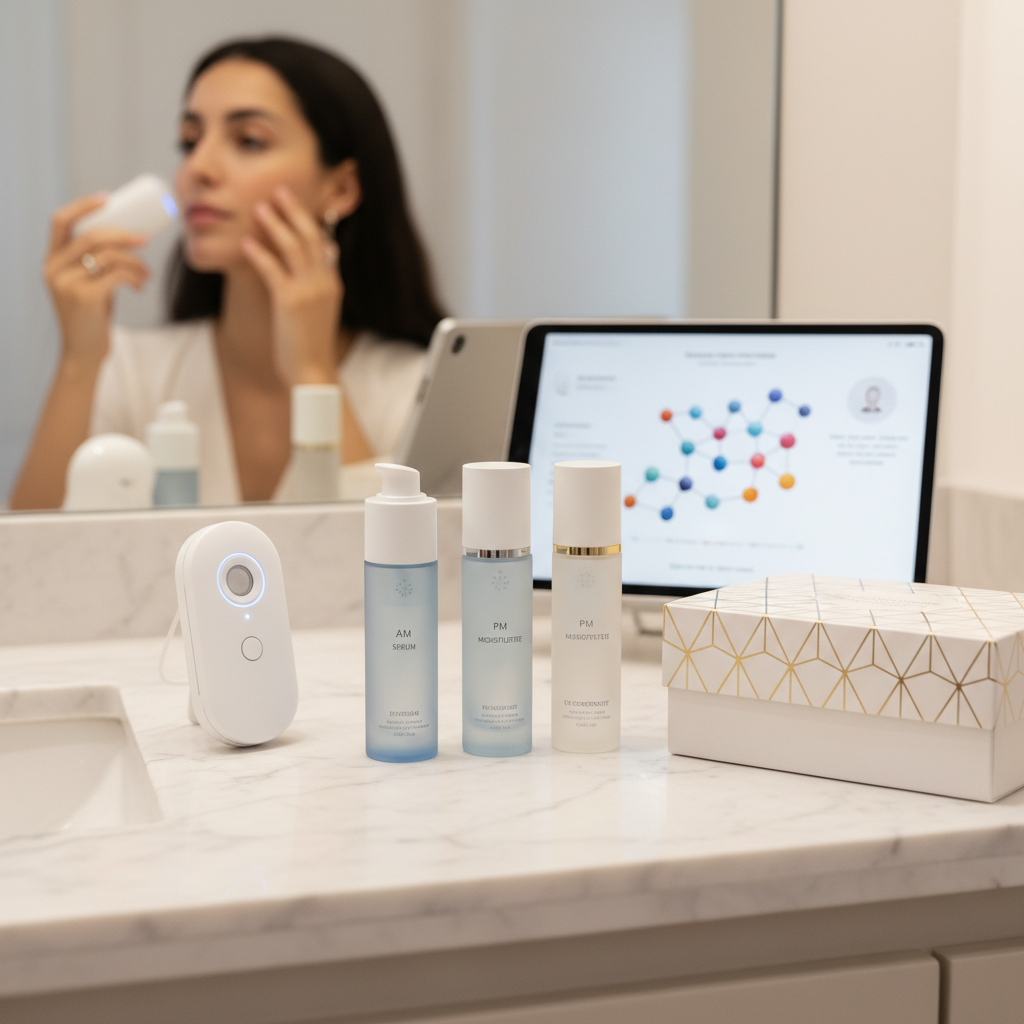
At its core, personalized skincare is about moving beyond generic products to formulas specifically designed for your individual skin profile. This isn’t just about choosing products for “dry” or “oily” skin; it delves much deeper. In 2026, personalization often begins with a comprehensive assessment, which can range from detailed online quizzes analyzing lifestyle, environmental factors, and existing concerns, to AI-driven skin analysis using selfies, and even advanced genetic or microbiome testing. The goal is to gather enough data to create a precise “skin fingerprint.” Based on this data, a unique combination of active ingredients and base formulations is selected or even custom-blended, ensuring that every product in your regimen is working synergistically to address your specific concerns, from texture and tone to sensitivity and signs of aging.
Why Are Personalized Skincare Subscriptions Gaining So Much Attention in 2026?
The allure of personalized skincare subscriptions in 2026 stems from several compelling factors. Firstly, the sheer volume of skincare products available has become overwhelming, leading to “analysis paralysis” and costly trial-and-error. Consumers are fatigued by marketing hype and are seeking genuine efficacy. Personalized subscriptions offer a curated, simplified approach, cutting through the noise. Secondly, there’s a growing understanding of the skin barrier and its critical role in overall skin health. Generic products often don’t account for individual barrier strength or specific sensitivities, leading to irritation. Personalized systems are designed to respect and fortify the unique barrier of each user. Finally, the convenience factor is undeniable. Busy lives demand efficiency, and having a tailored regimen delivered regularly eliminates shopping trips and guesswork, ensuring consistency—a key ingredient for long-term skin health. The integration of data from at-home dermal-grade tools, another 2026 trend, further enhances the precision these subscriptions can offer, creating a feedback loop for continuous optimization.
How Do Personalized Skincare Subscriptions Actually Work to Benefit My Skin?
Personalized subscriptions operate on the principle that your skin is unique, and therefore, its care should be too. After your initial assessment, the service formulates or selects products with specific active ingredients tailored to your profile.
- Retinol (and its more potent cousin, Retinal): A vitamin A derivative known for accelerating cell turnover, reducing fine lines, and improving skin texture. Personalized systems can adjust its concentration and delivery to minimize irritation.
- Niacinamide (Vitamin B3): A versatile active that helps strengthen the skin barrier, minimize pores, reduce redness, and regulate oil production. It’s often included for its calming and restorative properties, especially for sensitive or compromised skin.
- Hyaluronic Acid: A powerful humectant that attracts and holds up to 1,000 times its weight in water, providing intense hydration and plumping the skin. Personalized formulas can combine different molecular weights for multi-depth hydration.
- Vitamin C (L-Ascorbic Acid and derivatives): A potent antioxidant that brightens skin tone, reduces hyperpigmentation, stimulates collagen production, and protects against environmental damage. Its stability and concentration are often customized.
- Salicylic Acid (BHA): A beta-hydroxy acid that is oil-soluble, allowing it to penetrate pores to exfoliate, dissolve sebum, and combat acne and blackheads. Ideal for oily and blemish-prone skin, its percentage is carefully managed.
- AHAs (Alpha Hydroxy Acids like Glycolic and Lactic Acid): Water-soluble exfoliants that work on the skin’s surface to improve texture, reduce sun damage, and boost radiance. Personalized systems can blend AHAs for optimal efficacy with minimal irritation.
- Peptides: Short chains of amino acids that signal skin cells to perform specific functions, such as boosting collagen and elastin production for firmer, more youthful-looking skin. Different peptide complexes target various concerns.
- Mineral SPF (Zinc Oxide, Titanium Dioxide): Provides broad-spectrum sun protection by creating a physical barrier on the skin. Personalized systems ensure non-comedogenic, non-irritating formulations appropriate for daily use and easy reapplication.
- Ceramides: Lipids naturally found in the skin barrier, essential for maintaining moisture and protecting against environmental aggressors. Personalized formulas often include ceramides to repair and fortify a compromised barrier.
By precisely matching these actives to your concerns—whether it’s managing sensitivity, combating acne, addressing hyperpigmentation, or mitigating signs of aging—personalized subscriptions aim to deliver more effective and less irritating results than generic alternatives. Regular check-ins or updated assessments allow the regimen to evolve with your skin, which is crucial as skin needs change over time due to factors like age, season, or lifestyle.
Are All Personalized Skincare Subscriptions Created Equal? What Should I Look For?
Definitely not. The personalized skincare market is diverse, and understanding the differences is key to choosing the right service. Some services focus on custom-blending individual products, while others curate a selection from existing lines. When evaluating, consider the depth of their assessment, the quality of their ingredients, and their scientific backing. Look for services that prioritize FDA-approved actives where relevant and align with dermatologist consensus on ingredient efficacy and safety. The best services offer transparency about their formulations and allow for adjustments as your skin evolves.
| Service Type | Assessment Method | Product Offering | Key Focus/Benefit | Best For |
|---|---|---|---|---|
| AI-Powered Custom Blend | Detailed online quiz + AI skin analysis from photos | Custom-blended serums, moisturizers, cleansers | Hyper-specific ingredient combinations, real-time adjustments | Those seeking ultimate customization & data-driven solutions |
| Derm-Led Regimen Kit | In-depth questionnaire + optional virtual derm consultation | Curated full routine (cleanser, serum, moisturizer, SPF) | Professional oversight, medical-grade ingredients, educational support | Individuals with complex concerns (acne, rosacea) or who prefer expert guidance |
| Clean Beauty Personalizer | Lifestyle & ingredient preference quiz | Tailored selection from a clean, plant-based product line | Focus on natural, sustainable, & non-toxic ingredients | Eco-conscious consumers prioritizing “clean” formulations |
| Targeted Active Booster | Basic skin type & concern quiz | Concentrated active serums & boosters for specific issues | Layering custom actives into an existing routine | Users with established routines who want to boost efficacy with personalized actives |
Can a Personalized Subscription Really Address My Specific Skin Concerns?
Yes, this is where personalized subscriptions truly shine. Generic products often fall short because they can’t account for the nuances of different skin types and concerns. A personalized approach, however, can be finely tuned:
- Oily Skin: Formulas can focus on non-comedogenic ingredients, balancing oil production with niacinamide and salicylic acid, and ensuring lightweight hydration without exacerbating shine.
- Dry Skin: Regimens will emphasize intense hydration with hyaluronic acid and ceramides, barrier repair, and rich, emollient textures to prevent moisture loss.
- Combination Skin: This challenging type benefits immensely from personalization, as different areas of the face can receive targeted treatments—e.g., salicylic acid for an oily T-zone and richer hydration for dry cheeks.
- Sensitive Skin: Personalized subscriptions prioritize gentle, fragrance-free formulations, incorporate soothing ingredients like niacinamide, and introduce potent actives like retinol at lower, gradual concentrations to minimize irritation.
- Mature Skin: The focus shifts to anti-aging powerhouses such as retinol, peptides, vitamin C, and rich moisturizers to address fine lines, wrinkles, loss of firmness, and hyperpigmentation, promoting collagen production and cellular renewal.
By understanding your specific skin type and its unique challenges, these services can craft a regimen that works with your skin, not against it, leading to more predictable and satisfying results.
What Are the Potential Downsides to Personalized Skincare Subscriptions?
While highly promising, personalized skincare subscriptions aren’t without their considerations. The primary concern for many is often cost; these bespoke services can be more expensive than off-the-shelf drugstore products, reflecting the tailored formulation and expert oversight. Another potential downside is the commitment involved; most subscriptions require a recurring payment, which might not suit everyone’s budget or desire for flexibility. There’s also the variability of effectiveness—while designed to be optimal, individual skin responses can still differ, and it may take time to find the perfect formulation. Some users might also experience “product fatigue” if they prefer experimenting with new products rather than sticking to a curated set. Finally, while sophisticated, these services are not a replacement for a dermatologist’s diagnosis and treatment of specific skin conditions like severe acne, rosacea, or eczema.
How Can I Choose the Right Personalized Skincare Subscription for Me?
- Assess Your Needs: Clearly define your primary skin concerns, budget, and how much involvement you want in product selection.
- Research Assessment Methods: Understand if the service uses quizzes, AI analysis, or virtual consultations, and choose one that aligns with your comfort level and desired depth of analysis.
- Ingredient Transparency: Look for brands that clearly list their ingredients, explain their choices, and prioritize FDA-approved actives.
- Flexibility and Adjustments: Ensure the subscription allows for easy profile updates and product adjustments as your skin’s needs change.
- Customer Reviews and Support: Check for reputable reviews and assess the quality of their customer service, especially regarding product issues or questions.
- Trial Periods or Guarantees: Some services offer introductory kits or money-back guarantees, which can be a low-risk way to test the waters.
- Ethical and Sustainability Practices: If these are important to you, research the brand’s sourcing, packaging, and animal testing policies.
Frequently Asked Questions
Is personalized skincare suitable for sensitive skin?
Absolutely. In fact, sensitive skin types often benefit most from personalization. These services can meticulously select gentle, fragrance-free ingredients and introduce potent actives at lower concentrations, minimizing the risk of irritation and helping to strengthen the skin barrier over time.
How often should I update my personalized profile?
It’s generally recommended to update your profile or check in with your service provider every 3-6 months, or whenever you notice significant changes in your skin due to seasons, lifestyle, or aging. This ensures your regimen remains optimally tailored to your current needs.
Can I still use my favorite products with a personalized subscription?
Many personalized services are designed to provide a comprehensive routine. However, if you have a beloved product (like a specific SPF or eye cream), you can often integrate it. Be sure to communicate this during your assessment to ensure compatibility and avoid ingredient redundancies or conflicts.
Are the ingredients in personalized subscriptions safe?
Reputable personalized skincare brands prioritize safety, using well-researched, high-quality ingredients, often including FDA-approved actives. Always check for transparency in ingredient lists and look for brands that adhere to industry standards and dermatologist consensus.
Is personalized skincare worth the cost compared to drugstore brands?
For many, the investment is justified by the enhanced efficacy, reduced trial-and-error, and overall convenience. While often more expensive than mass-market options, the targeted nature of personalized skincare can lead to better results and fewer wasted products, potentially saving money in the long run.
Conclusion
The rise of personalized skincare subscriptions in 2026 marks an exciting evolution in how US women approach their beauty routines. By moving beyond generic solutions to embrace science-backed, individualized care, these services offer a compelling path to achieving optimal skin health. While not without considerations, their ability to deliver targeted actives and adapt to changing needs positions them as a powerful, effective, and increasingly indispensable tool in the pursuit of radiant, healthy skin.