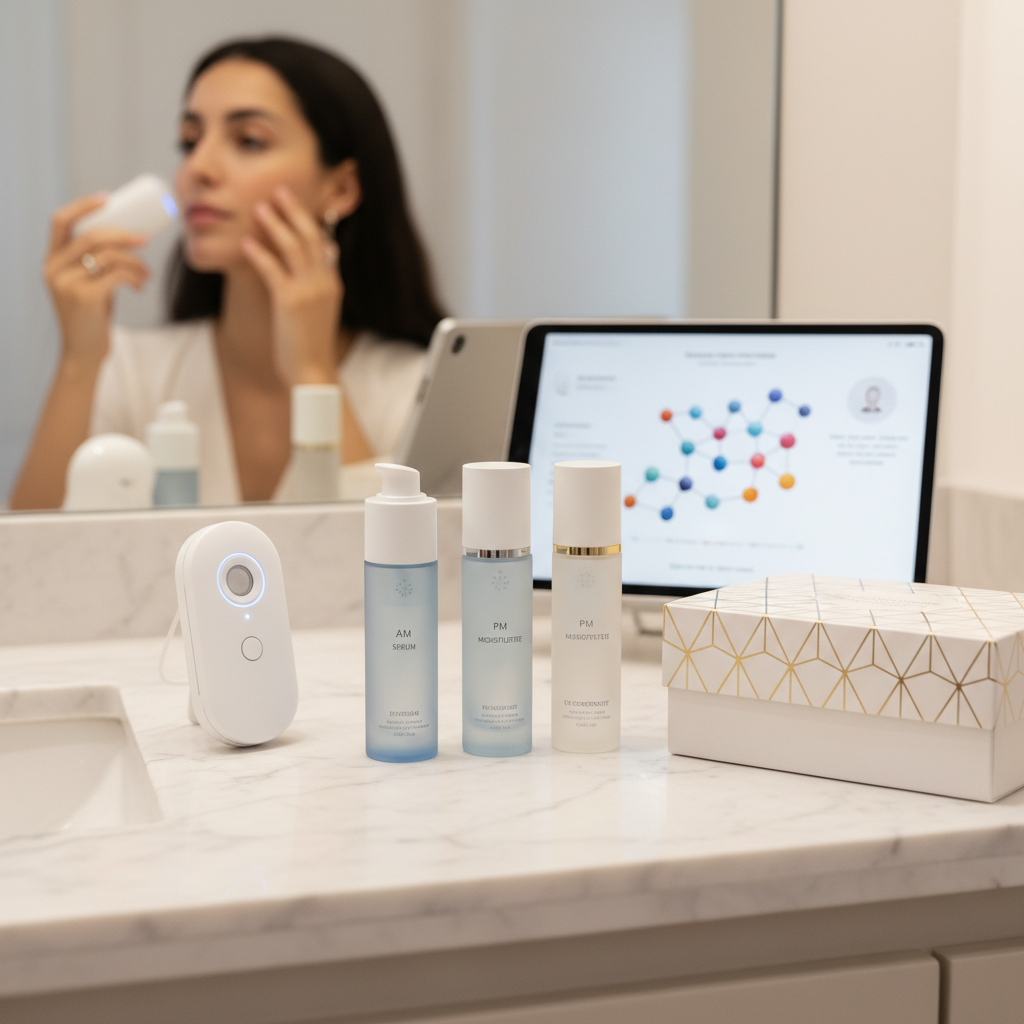
Navigating PCOS-related acne requires a strategic, patient approach that integrates internal hormonal management with a gentle, consistent external skincare regimen. Focus on science-backed ingredients that reduce inflammation, support skin barrier health, and encourage healthy cell turnover, always prioritizing dermatologist guidance for a truly personalized and effective plan.
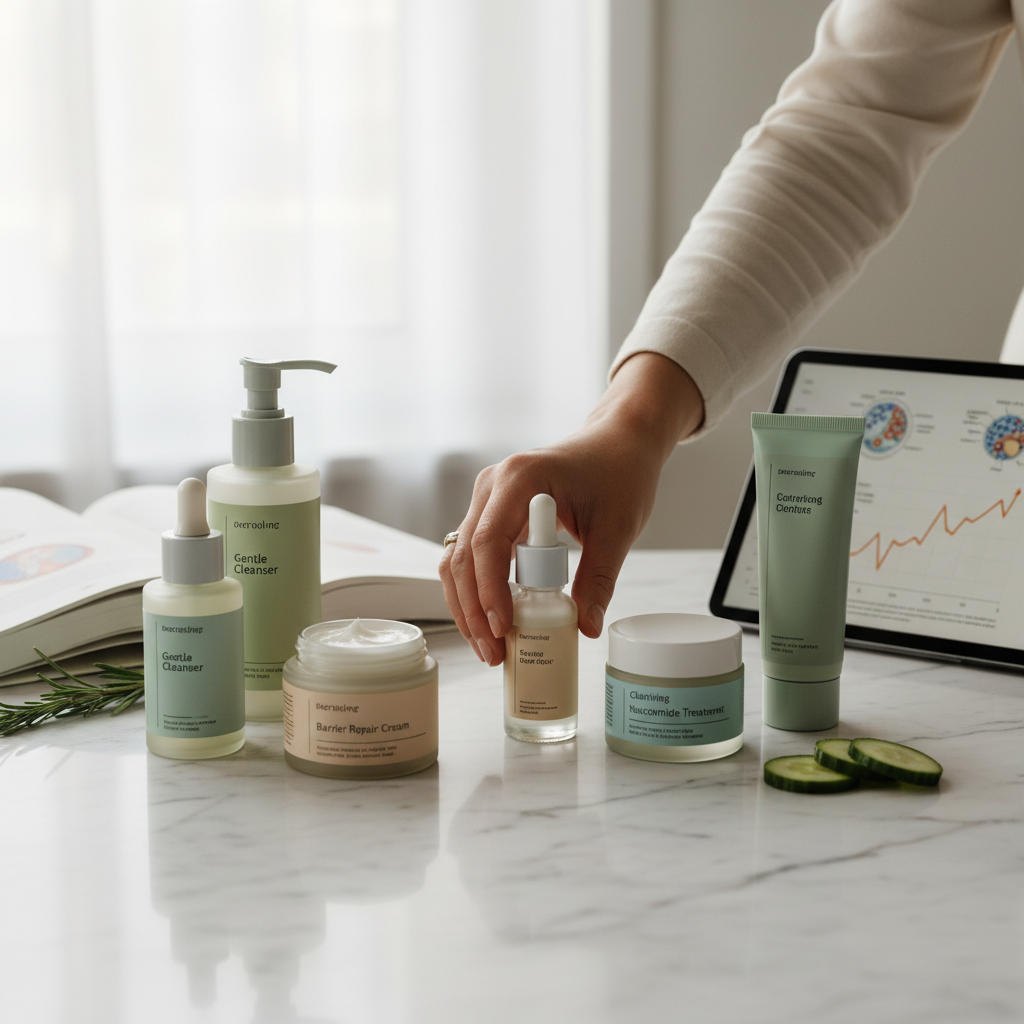
Introduction
For millions of women in the United States, Polycystic Ovary Syndrome (PCOS) isn’t just a diagnosis; it’s a daily reality that often manifests visibly on the skin, most notably as persistent, frustrating acne. Unlike typical breakouts, PCOS acne has deep roots in hormonal imbalances, making conventional spot treatments feel like a losing battle. But in 2026, armed with advanced understanding and innovative skincare, you no longer have to feel powerless. This comprehensive guide from SkincareNA is designed to empower you with evidence-informed strategies and product insights that actually work to manage and soothe PCOS-related breakouts, helping you reclaim confidence in your skin.
What Exactly is PCOS Acne and Why Is It Different?
PCOS is a complex endocrine disorder characterized by hormonal imbalances, primarily elevated levels of androgens (male hormones like testosterone). These excess androgens trigger a cascade of effects in the skin: they stimulate sebaceous glands to produce more oil (sebum), leading to clogged pores, and can also contribute to inflammation. Furthermore, insulin resistance, common in PCOS, can exacerbate androgen production, creating a vicious cycle.
The hallmarks of PCOS acne often include:
- Location: Typically found along the jawline, chin, neck, and upper back.
- Type: Deep, painful cystic lesions and nodules, rather than superficial whiteheads or blackheads.
- Persistence: Tends to be chronic and resistant to standard acne treatments.
- Inflammation: Often accompanied by significant redness and tenderness, leading to post-inflammatory hyperpigmentation (PIH) and scarring.
Understanding this internal driver is crucial because it informs a holistic treatment approach, recognizing that topical solutions are just one piece of a larger puzzle.
Building Your Foundational Skincare Routine: Where Do I Start?
Before diving into powerful actives, establishing a gentle, consistent baseline routine is non-negotiable. Think of it as creating a calm, supportive environment for your skin to heal and respond to targeted treatments.
What’s the best way to cleanse my skin without stripping it?
For PCOS acne, aggressive cleansing is counterproductive. It can disrupt your skin’s natural barrier, leading to increased irritation and even more oil production as your skin tries to compensate. Opt for a mild, pH-balanced cleanser, ideally one that is sulfate-free and non-comedogenic. Look for creamy textures or gentle foaming washes. Cleanse twice daily – morning and night – using lukewarm water and your fingertips. Avoid harsh scrubbing or abrasive tools, which can spread bacteria and worsen inflammation.
How important is moisturizing for acne-prone skin, and which types are best?
Extremely important! Even oily, acne-prone skin needs hydration. Dehydrated skin can become compromised, making it more susceptible to irritation and less able to heal. Choose a lightweight, non-comedogenic moisturizer that specifically states it won’t clog pores. Ingredients like hyaluronic acid (a humectant that draws moisture into the skin) and ceramides (lipids that help restore the skin barrier) are excellent choices. If you’re using drying acne treatments, a good moisturizer is essential to mitigate side effects and maintain skin health. In 2026, the focus on a robust skin barrier is stronger than ever, and proper moisturization is key to achieving it.
Which sunscreen should I use, and why is it non-negotiable for PCOS acne?
Sunscreen is your skin’s best friend, especially when dealing with active acne and post-inflammatory hyperpigmentation (PIH). UV exposure can worsen inflammation, darken existing PIH, and even trigger new breakouts in some individuals. For acne-prone skin, mineral sunscreens containing zinc oxide and titanium dioxide are often preferred because they are less likely to irritate sensitive skin or clog pores. Look for broad-spectrum formulas with an SPF of 30 or higher. Reapplication science in 2026 emphasizes reapplying every two hours, or more frequently if sweating or swimming, to maintain protection.
Which Actives Truly Target PCOS Acne Without Irritating My Skin?
Once your foundational routine is solid, you can strategically introduce active ingredients. The key is to start slow, patch test, and observe how your skin responds.
How do retinoids help with PCOS acne, and what’s the difference between retinol and retinal?
Retinoids are derivatives of Vitamin A and are powerhouse ingredients for acne. They work by accelerating cell turnover, preventing dead skin cells from clogging pores, reducing inflammation, and improving the appearance of post-acne marks. Prescription retinoids like tretinoin are often recommended by dermatologists for PCOS acne. For over-the-counter options, retinol is a classic choice, effectively increasing cell turnover. However, a growing trend in 2026 is the use of retinal (retinaldehyde), which is one step closer to retinoic acid (the active form) than retinol, making it more potent and faster-acting with potentially less irritation for some users. Always start with a low concentration and gradually increase frequency.
Can salicylic acid really clear deep PCOS breakouts, and how does it work?
Salicylic acid (BHA) is a lipid-soluble exfoliant, meaning it can penetrate oil and exfoliate inside the pore. This makes it incredibly effective at dissolving sebum and dead skin cell buildup that contributes to blackheads, whiteheads, and inflamed lesions. It also has mild anti-inflammatory properties. For PCOS acne, look for cleansers or leave-on treatments with 0.5-2% salicylic acid. Use it strategically, perhaps a few times a week, to avoid over-drying, especially if also using retinoids.
What about niacinamide and azelaic acid – are they gentle enough for sensitive, inflamed skin?
Absolutely. These two ingredients are fantastic for calming inflammation and supporting skin health, making them ideal for sensitive or easily irritated PCOS skin:
- Niacinamide (Vitamin B3): A true multi-tasker, niacinamide helps reduce inflammation and redness, minimizes the appearance of pores, regulates sebum production, and strengthens the skin barrier. It’s well-tolerated by most skin types and pairs well with other actives.
- Azelaic Acid: Often overlooked, azelaic acid is a naturally occurring dicarboxylic acid with potent anti-inflammatory, antibacterial, and mild exfoliating properties. It’s particularly effective at reducing redness and post-inflammatory hyperpigmentation, and its gentle nature makes it suitable for sensitive skin, even alongside retinoids.
How Can I Support My Skin Barrier While Fighting Breakouts?
Maintaining a healthy skin barrier is paramount, especially when battling persistent acne and using active ingredients. A compromised barrier can lead to increased sensitivity, redness, and even worsened breakouts.
- Don’t Over-Exfoliate: Resist the urge to use multiple strong exfoliants daily. A damaged barrier is more prone to irritation and infection. Consider “skin cycling” where you alternate nights of actives with recovery nights focused on barrier repair.
- Incorporate Barrier-Supporting Ingredients: Look for products rich in ceramides, cholesterol, and fatty acids, which are natural components of your skin barrier. Hyaluronic acid and glycerin are also excellent for hydration without occluding pores.
- Listen to Your Skin: If your skin feels tight, red, or stings, it’s a sign your barrier might be compromised. Scale back on actives and focus on gentle cleansing and moisturizing until your skin recovers.
- Avoid Harsh Physical Scrubs: These can create micro-tears in the skin, further damaging the barrier and potentially spreading bacteria.
- Use Lukewarm Water: Hot water can strip natural oils and exacerbate dryness and irritation.
Are At-Home Devices Worth It for PCOS Acne in 2026?
The market for dermal-grade at-home tools has exploded by 2026, offering professional-adjacent treatments from your bathroom. While exciting, it’s crucial to manage expectations for PCOS acne.
- LED Light Therapy: Blue light targets acne-causing bacteria (P. acnes), while red light helps reduce inflammation and promote healing. At-home LED masks or devices can be a beneficial adjunct to your routine, used consistently. They are generally safe and non-invasive, but results are often more subtle than professional-grade treatments.
- Microcurrent and Micro-needling: These devices are primarily for anti-aging and skin texture. While microcurrent can improve muscle tone, it’s not directly for acne. Micro-needling (especially at home) carries risks for active acne, as it can spread bacteria and worsen inflammation or scarring. Always consult a dermatologist before considering at-home micro-needling, especially with active breakouts.
Remember, at-home devices are supplementary. They can enhance results from a solid topical routine and internal management, but they are rarely a standalone solution for the complex nature of PCOS acne.
Drugstore vs. Prestige Skincare: What’s the Real Difference for PCOS Acne?
In 2026, the lines between “drugstore” and “prestige” skincare are more blurred than ever, especially when it comes to effective active ingredients. Don’t let price dictate efficacy.
“The real power of a product lies in its formulation, the concentration of its active ingredients, and its ability to deliver those ingredients effectively to the skin, not necessarily its price tag or fancy packaging.”
Many FDA-approved active ingredients for acne, like salicylic acid and benzoyl peroxide, are readily available and highly effective in affordable drugstore brands. Similarly, well-formulated retinol, niacinamide, and hyaluronic acid serums can be found at various price points. Prestige brands might offer more elegant textures, unique botanical extracts, or advanced delivery systems, but these often come at a premium without necessarily providing a superior outcome for the core issue of PCOS acne. Focus on ingredient lists, reputable brands, and dermatologist recommendations rather than marketing hype.
Sample Skincare Routines for Different PCOS Acne Types
Tailoring your routine to your specific skin type and the nature of your PCOS acne is key. Here are a few examples:
| Skin Type / Concern | Morning Routine Focus | Evening Routine Focus | Key Actives & Approach |
|---|---|---|---|
| Sensitive, Inflammatory PCOS Acne (prone to redness, irritation) | Gentle cleanse, Niacinamide serum, Hydrating moisturizer, Mineral SPF 30+ | Gentle cleanse, Hydrating serum (Hyaluronic Acid), Azelaic Acid serum (2-3x/week), Barrier-repair moisturizer | Actives: Niacinamide, Azelaic Acid, Hyaluronic Acid, Ceramides. Approach: Prioritize calming inflammation and strengthening the skin barrier. Introduce actives slowly. |
| Oily, Persistent PCOS Acne (prone to clogged pores, deep cysts) | Salicylic Acid cleanser (alternate with gentle), Niacinamide serum, Lightweight moisturizer, Mattifying SPF 30+ | Gentle cleanse, Retinal serum (start 2x/week, build up), Lightweight non-comedogenic moisturizer | Actives: Retinal, Salicylic Acid, Niacinamide. Approach: Focus on oil regulation, pore clearing, and cell turnover. Monitor for dryness. |
| Mature Skin with PCOS Acne & Anti-Aging Concerns | Gentle cleanse, Vitamin C serum, Hydrating moisturizer, Mineral SPF 30+ | Gentle cleanse, Peptide serum, Retinol or Retinal serum (alternate with barrier repair), Richer hydrating moisturizer | Actives: Retinoids (Retinol/Retinal), Vitamin C, Peptides, Hyaluronic Acid, Ceramides. Approach: Address both acne and signs of aging with multi-tasking ingredients, ensuring adequate hydration. |
Beyond Topicals: The Holistic Approach to PCOS Acne Management
Because PCOS acne is driven internally, truly effective management often requires a holistic strategy that extends beyond your skincare shelf. Collaboration with healthcare professionals is vital.
- Consult a Dermatologist: They can prescribe stronger retinoids, antibiotics, or discuss hormonal therapies like spironolactone or oral contraceptives, which can significantly reduce androgen levels and, consequently, acne.
- Work with an Endocrinologist: For comprehensive PCOS management, addressing insulin resistance and hormonal imbalances through medication or lifestyle changes is key.
- Dietary Considerations: While not a cure, a low-glycemic, anti-inflammatory diet (reducing refined sugars, processed foods, and sometimes dairy) can help manage insulin levels and inflammation, potentially improving acne.
- Stress Management: Chronic stress can exacerbate hormonal imbalances. Incorporate stress-reducing practices like yoga, meditation, or adequate sleep.
- Regular Exercise: Can improve insulin sensitivity and overall hormonal balance.
Frequently Asked Questions
Can diet alone cure my PCOS acne?
While a balanced, low-glycemic, anti-inflammatory diet can significantly improve PCOS symptoms, including acne, it’s rarely a standalone “cure.” PCOS acne is multifaceted, and diet is one powerful tool in a comprehensive approach that often includes targeted skincare and, for many, medical interventions.
How long until I see results from a new skincare routine for PCOS acne?
Patience is paramount. Skincare takes time to work, especially when addressing underlying hormonal factors. You might start seeing subtle improvements in texture and inflammation within 4-6 weeks, but significant changes in deep, cystic breakouts often take 3-6 months of consistent use and adherence to a holistic plan. Hormonal treatments can take even longer to show full effects.
Is it okay to use multiple active ingredients at once?
It depends on the ingredients and your skin’s tolerance. Combining too many strong actives can lead to irritation and compromise your skin barrier. Ingredients like niacinamide and hyaluronic acid generally pair well with most actives. However, use caution when combining strong exfoliants (like AHAs/BHAs) with retinoids. A dermatologist can help you create a safe and effective routine, often recommending “skin cycling” or alternating usage.
Should I pop my PCOS pimples?
No. While tempting, picking or popping deep, cystic PCOS pimples can push bacteria further into the skin, worsen inflammation, increase the risk of infection, and lead to more severe scarring and post-inflammatory hyperpigmentation. It’s always best to let them heal naturally or consult a dermatologist for professional extractions or cortisone injections for particularly painful cysts.
What’s the role of professional treatments like chemical peels or laser therapy?
Professional treatments can be highly beneficial as an adjunct to your at-home routine and medical management. Chemical peels (like salicylic or glycolic acid peels) can help exfoliate, reduce congestion, and improve skin texture. Laser therapies (e.g., VBeam for redness, fractional lasers for scarring) can target specific concerns like persistent redness or acne scars. Always seek treatment from a board-certified dermatologist who understands PCOS and can tailor treatments to your specific needs.
Conclusion
Living with PCOS acne is undoubtedly challenging, but it is manageable. By embracing a strategic, evidence-informed approach that combines gentle yet effective skincare with internal hormonal management, you can significantly improve your skin health and reduce breakouts. Remember, this is a journey, not a sprint. Be patient with your skin, consistent with your routine, and always prioritize collaboration with your dermatologist and other healthcare providers. With the right tools and expert guidance, clearer, calmer skin is within your reach.