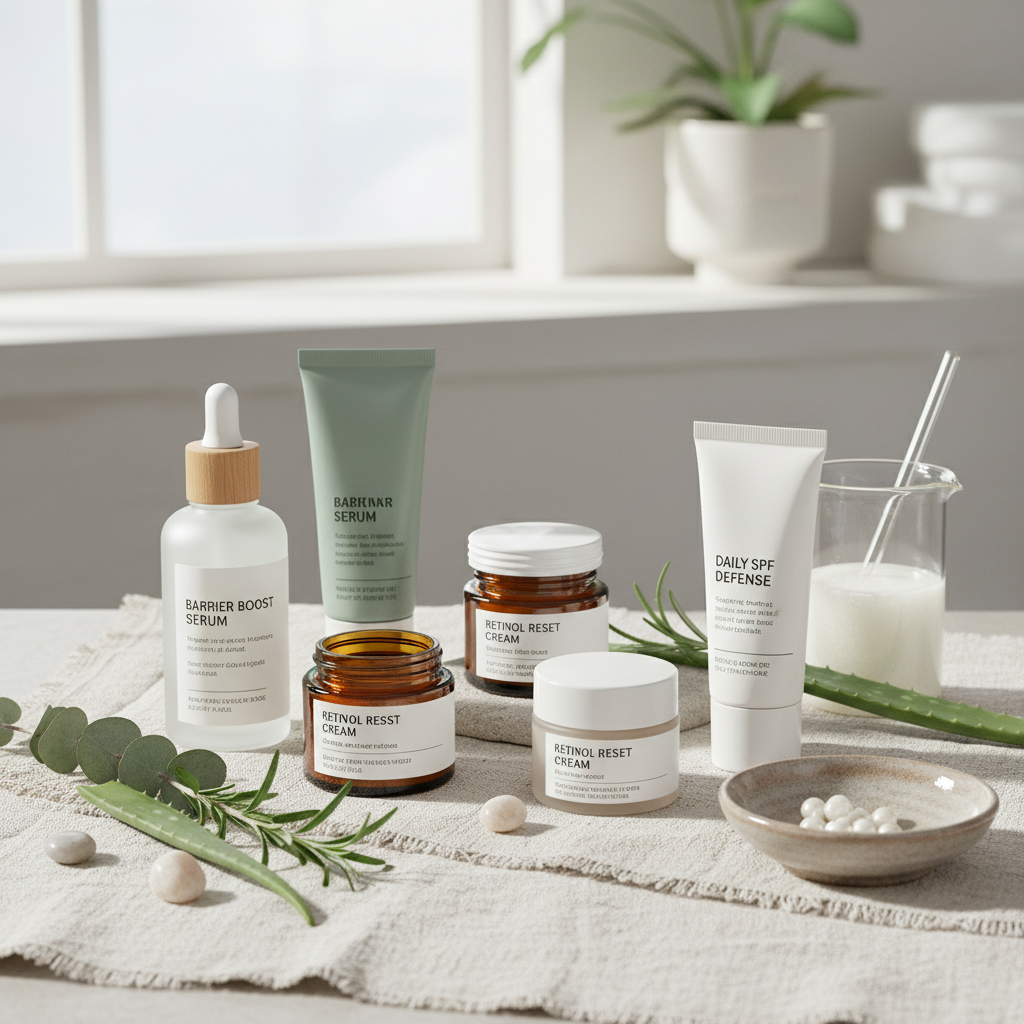
Acne can be a frustrating and persistent skin concern, but often, our everyday habits unknowingly make it worse. By identifying and correcting common mistakes like over-exfoliation, picking at blemishes, neglecting sun protection, lacking routine consistency, and overlooking lifestyle factors, you can significantly improve your skin’s health and reduce breakouts.
Introduction
In 2026, with an explosion of skincare innovations and a deeper understanding of skin health, navigating the world of acne treatment can still feel overwhelming. Many of us are diligently trying to achieve clear skin, yet sometimes, our best intentions or ingrained habits can inadvertently sabotage our progress. This article will shed light on five common practices that could be exacerbating your acne and provide expert-backed strategies to help you break free and foster a healthier complexion.
Am I Over-Exfoliating My Skin or Using the Wrong Cleanser?
One of the most common mistakes people make when battling acne is thinking that aggressively scrubbing or using harsh, stripping cleansers will “clean away” breakouts. The truth is, this approach often backfires, disrupting your skin’s delicate barrier and leading to more inflammation and breakouts. Your skin barrier, a complex shield of lipids and cells, is crucial for keeping irritants out and moisture in. When it’s compromised, your skin becomes more vulnerable to bacteria, environmental stressors, and excessive oil production as it tries to compensate.
Harsh physical scrubs with large, irregular particles can create micro-tears in the skin, spreading bacteria and causing irritation. Similarly, cleansers that leave your skin feeling “squeaky clean” are likely stripping away essential oils, triggering your sebaceous glands to produce even more oil in response—a recipe for more acne. The 2026 focus on skin barrier health emphasizes gentle care, even for acne-prone skin.
How to Stop It: Embrace Gentle Cleansing and Smart Exfoliation
Switch to a gentle, hydrating cleanser, ideally one that’s pH-balanced and non-foaming or lightly foaming. Look for ingredients like ceramides, which are lipids that help restore the skin barrier, or hyaluronic acid, a powerful humectant that draws moisture into the skin without clogging pores. Cleanse twice a day, morning and night, using lukewarm water and your fingertips, not a washcloth or scrub brush, unless it’s a very soft, silicone-based tool used gently.
For exfoliation, opt for chemical exfoliants over harsh physical scrubs. Salicylic acid (BHA) is a hero ingredient for acne because it’s oil-soluble, allowing it to penetrate into pores and dissolve sebum and dead skin cells from within. It’s an FDA-approved active ingredient for acne treatment, widely available in both drugstore and prestige formulations. Start with a low concentration (0.5% to 2%) a few times a week, gradually increasing frequency if your skin tolerates it. Alpha Hydroxy Acids (AHAs) like glycolic or lactic acid work on the skin’s surface to gently slough off dead skin cells, improving texture and tone. They are often better for surface congestion and can be beneficial for post-inflammatory hyperpigmentation (PIH), but should be introduced carefully, especially if you have sensitive skin or are also using retinoids.
Why Do I Keep Picking My Breakouts?
We’ve all been there: a visible blemish appears, and the urge to pick, squeeze, or pop it becomes almost irresistible. While it might feel like you’re “getting rid of” the problem, picking is one of the most detrimental habits for acne-prone skin. It pushes bacteria deeper into the pore, can rupture the follicle wall, and significantly increases inflammation. This often leads to larger, more painful lesions, prolonged healing times, and, most concerningly, post-inflammatory hyperpigmentation (PIH) and even permanent scarring. Dermatologists universally advise against picking, as the damage it causes can be far worse and longer-lasting than the original blemish.
How to Stop It: Hands Off and Targeted Treatment
The first step is a firm “hands-off” policy. To curb the urge, try keeping your hands busy, or place a hydrocolloid patch over the offending spot. These patches, widely available and affordable, create a moist healing environment, protect the blemish from external bacteria and picking, and can even draw out impurities. They are a game-changer for overnight treatment.
For active breakouts, consider targeted spot treatments. Benzoyl peroxide, another FDA-approved active, works by killing acne-causing bacteria and shedding dead skin cells. It’s highly effective but can be drying, so apply it only to the affected area and start with a lower concentration (2.5% or 5%). Alternatively, some spot treatments utilize higher concentrations of salicylic acid or sulfur. For stubborn, cystic breakouts, a dermatologist can offer professional solutions like cortisone injections, which can rapidly reduce inflammation and prevent scarring.
Is My Sunscreen Routine Actually Hurting My Acne?
Neglecting daily sun protection, or using the wrong type of sunscreen, is a common pitfall for those with acne. Many fear that sunscreen will clog their pores and worsen breakouts, leading them to skip this crucial step. However, UV radiation can exacerbate post-inflammatory hyperpigmentation (those red or brown marks left after a breakout), making them darker and last longer. Furthermore, sun exposure can damage the skin barrier and even trigger inflammation, which can indirectly contribute to breakouts. The science of sunscreen reapplication in 2026 emphasizes not just morning application, but consistent reapplication throughout the day, especially if you’re outdoors or sweating.
How to Stop It: Choose Wisely and Apply Diligently
The key is to choose the right sunscreen. Look for formulas labeled “non-comedogenic” (won’t clog pores) and “oil-free.” For acne-prone skin, mineral sunscreens containing zinc oxide and/or titanium dioxide are often preferred. Zinc oxide is not only a broad-spectrum UV filter but also has anti-inflammatory and soothing properties, which can be beneficial for acne. Mineral sunscreens sit on top of the skin, physically blocking UV rays, rather than being absorbed like chemical filters. Many newer mineral formulations are micronized, meaning they blend seamlessly without leaving a white cast.
Aim for an SPF of 30 or higher and apply it generously as the last step in your morning skincare routine. Reapply every two hours if you’re exposed to direct sunlight, sweating, or swimming. If you wear makeup, consider SPF setting sprays or powders for reapplication throughout the day, though these are often supplemental and shouldn’t replace your initial generous application.
Why Isn’t My Skincare Routine Working? (The Consistency Conundrum)
It’s easy to get caught up in the hype of new products or feel discouraged when you don’t see immediate results, leading to “product hopping.” This habit—constantly switching products before they’ve had a chance to work—is a major reason why many acne routines fail. Skincare, especially for chronic conditions like acne, requires patience and consistency. Active ingredients need time to integrate into your skin’s cycle and produce visible changes, often 4-12 weeks for significant improvement. Introducing too many new products at once or changing them frequently can also irritate your skin, making it difficult to pinpoint what’s helping or hurting.
How to Stop It: Patience, Consistency, and Strategic Ingredient Use
Develop a consistent, simplified routine and stick with it for at least 6-8 weeks before evaluating its effectiveness. A basic routine should include a gentle cleanser, a targeted treatment, a moisturizer, and sunscreen. Introduce new active ingredients one at a time, allowing your skin to adjust. This also applies to dermal-grade at-home tools; while promising, they require consistent, correct use to be effective without causing irritation.
Understanding key active ingredients and how they work together is vital:
- Retinoids (Retinol, Retinal, Tretinoin): These Vitamin A derivatives are gold standards for acne and anti-aging. They work by increasing cell turnover, preventing pores from clogging, and reducing inflammation. Retinal (retinaldehyde) is gaining traction in 2026 as a potent over-the-counter option, being one step closer to retinoic acid (the active form) than retinol, making it faster-acting with potentially less irritation for some. Start slow (1-2 times a week) and always use sunscreen.
- Niacinamide (Vitamin B3): A powerhouse ingredient that helps reduce inflammation and redness, minimize pore appearance, regulate oil production, and strengthen the skin barrier. It pairs well with almost any other active.
- Vitamin C: An antioxidant that brightens skin, reduces hyperpigmentation, and protects against environmental damage. While not a primary acne treatment, it can help with post-acne marks.
- Peptides: Short chains of amino acids that signal the skin to produce more collagen, reduce inflammation, or improve barrier function. They are generally gentle and can support overall skin health.
Here’s a quick comparison of common acne-fighting actives:
| Active Ingredient | Primary Benefit for Acne | How It Works | Ideal Skin Type/Concern |
|---|---|---|---|
| Salicylic Acid (BHA) | Unclogs pores, reduces blackheads/whiteheads | Exfoliates inside pores, dissolves oil and dead skin cells | Oily, combination, blackheads, whiteheads, mild inflammatory acne |
| Benzoyl Peroxide | Kills acne-causing bacteria, reduces inflammation | Releases oxygen into the pore, shedding dead skin cells | Inflammatory acne (papules, pustules), moderate to severe acne |
| Retinal (Retinaldehyde) | Increases cell turnover, prevents pore clogging, reduces inflammation | Converts to retinoic acid in the skin, regulating cell function | All acne types, anti-aging, textural concerns, post-acne marks |
| Niacinamide | Reduces redness, regulates oil, strengthens barrier | Anti-inflammatory, modulates sebum production, supports ceramide synthesis | All skin types, sensitive skin, redness, oily skin, barrier support |
| Azelaic Acid | Reduces inflammation, kills bacteria, gentle exfoliation | Antimicrobial, anti-inflammatory, inhibits tyrosinase (pigment production) | Rosacea, inflammatory acne, hyperpigmentation, sensitive skin |
Could My Lifestyle Be Causing My Acne?
While skincare products play a vital role, what happens outside your routine can significantly impact your skin. Neglecting hygiene, chronic stress, poor sleep, and even certain dietary choices are often overlooked contributors to acne. Your skin is your body’s largest organ, and its health is intrinsically linked to your overall well-being. For example, stress can trigger hormonal fluctuations that increase oil production, while inadequate sleep impairs your skin’s ability to repair itself.
How to Stop It: Holistic Habits for Clearer Skin
Adopting a holistic approach means addressing external and internal factors. Here are some actionable steps:
- Clean Your Screens: Your phone screen, often pressed against your face, harbors bacteria and oil. Wipe it down daily with an alcohol wipe.
- Change Pillowcases Regularly: Dirt, oil, sweat, and product residue accumulate on your pillowcase. Change it every 2-3 days, especially if you have body acne.
- Manage Stress: Incorporate stress-reduction techniques like meditation, yoga, deep breathing exercises, or spending time in nature.
- Prioritize Sleep: Aim for 7-9 hours of quality sleep per night. Your skin undergoes repair and regeneration while you rest.
- Stay Hydrated: Drink plenty of water throughout the day. While not a direct acne cure, proper hydration supports overall skin health and function.
- Consider Your Diet: While direct links are still debated, some individuals find that high glycemic index foods (sugary drinks, refined carbs) and dairy can exacerbate their acne. Experiment with reducing these and observe your skin. Focus on a balanced diet rich in fruits, vegetables, and lean proteins.
- Clean Makeup Brushes: Wash your makeup brushes and sponges weekly to prevent bacteria buildup.
Frequently Asked Questions
Is it better to use drugstore or prestige acne products?
The effectiveness of an acne product depends primarily on its active ingredients and formulation, not its price tag or brand prestige. Many highly effective, FDA-approved active ingredients like salicylic acid, benzoyl peroxide, and even some retinoids are widely available in affordable drugstore brands. Prestige products may offer more elegant textures, additional complementary ingredients, or specialized delivery systems, but don’t assume a higher price automatically means better results for acne. Focus on ingredients and consistency.
Can I use multiple acne treatments at once?
Using multiple acne treatments simultaneously can be effective, but it requires careful consideration to avoid irritation. For example, combining a salicylic acid cleanser with a retinoid serum at night, and a benzoyl peroxide spot treatment during the day, can be a powerful approach. However, using all three at once might be too much for sensitive skin. Always introduce new actives one at a time, observe your skin’s reaction, and consult with a dermatologist, especially if you’re considering prescription-strength ingredients.
How long does it take for acne products to work?
Patience is key. Most acne treatments require consistent use for at least 4-6 weeks to show initial improvement, and often 12 weeks or more for significant results. Your skin’s cell turnover cycle is approximately 28 days, so it takes time for new, healthier skin cells to emerge. If you don’t see any improvement after 3-4 months of consistent use, or if your acne worsens, it’s time to consult a dermatologist.
What if my skin is both dry and acne-prone?
Having dry and acne-prone skin (often referred to as combination or sensitive acne) requires a delicate balance. Avoid harsh, stripping products, and prioritize gentle, hydrating formulations. Look for non-comedogenic moisturizers that contain ingredients like ceramides, hyaluronic acid, or glycerin. Instead of drying out your skin to fight acne, focus on balancing oil production and strengthening your skin barrier. Ingredients like niacinamide and azelaic acid can be particularly beneficial for this skin type, as they address acne and inflammation without excessive dryness.
Are at-home LED devices effective for acne?
At-home LED (Light Emitting Diode) devices, particularly those emitting blue light, have shown promise in reducing acne-causing bacteria. Red light LED can help reduce inflammation and promote healing, which is beneficial for post-acne marks. While not a standalone cure, when used consistently as an adjunct to a good topical routine, these dermal-grade at-home tools can offer noticeable improvements for some individuals with mild to moderate acne. Look for devices cleared by the FDA for safety and efficacy, and follow usage instructions carefully.
Conclusion
Achieving clear, healthy skin is a journey that often involves more than just the products you apply. By understanding and correcting these five common habits—over-exfoliation, picking, neglecting sunscreen, inconsistent routines, and overlooking lifestyle factors—you empower yourself to take a more holistic and effective approach to acne management. Remember, consistency, patience, and a gentle touch are your best allies in fostering a balanced, resilient complexion. If stubborn acne persists, don’t hesitate to seek personalized advice from a board-certified dermatologist.