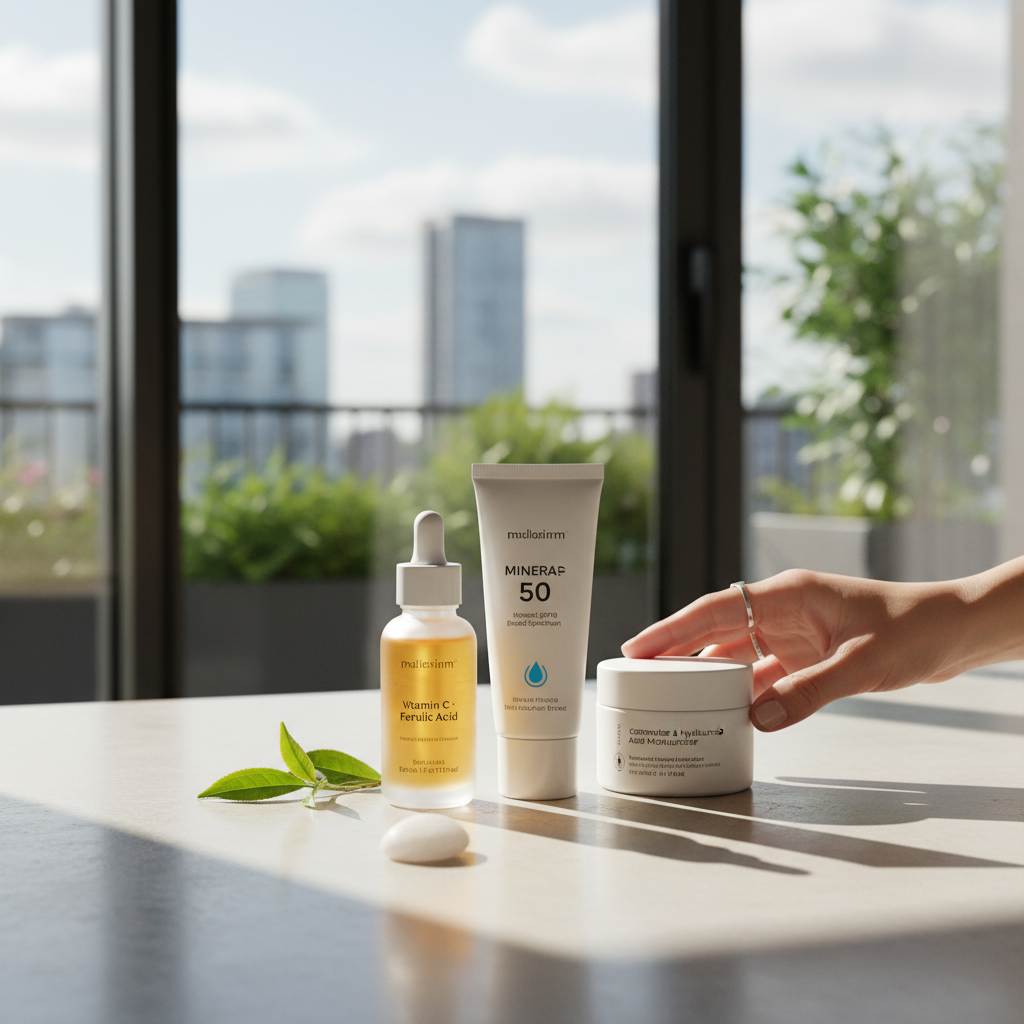
For urban women seeking to prevent premature aging, the most effective anti-pollution skincare strategy combines a robust daily antioxidant serum (like Vitamin C with Ferulic Acid), consistent broad-spectrum mineral SPF with blue light protection, and a barrier-strengthening moisturizer rich in ceramides and hyaluronic acid. This multi-pronged approach defends against environmental aggressors while supporting skin’s natural repair mechanisms.
Introduction
Living in the heart of a bustling city offers unparalleled excitement and convenience, but it also exposes our skin to a relentless barrage of environmental stressors. From particulate matter and exhaust fumes to ozone and UV radiation, urban pollution is a silent accelerator of premature aging, manifesting as dullness, hyperpigmentation, fine lines, and a compromised skin barrier. Understanding these threats and arming your routine with targeted, evidence-informed solutions is key to maintaining healthy, resilient, and youthful-looking skin.
How Does Urban Pollution Really Damage Our Skin?
The air we breathe in urban environments is far from pristine, and its impact on our skin goes beyond mere surface grime. Pollution primarily harms skin through two main mechanisms: generating free radicals and directly damaging the skin barrier.
Particulate matter (PM2.5, PM10) – tiny airborne particles from traffic, industrial emissions, and construction – can penetrate the skin’s surface, triggering oxidative stress. This process unleashes a cascade of free radicals, unstable molecules that steal electrons from healthy skin cells, leading to cellular damage. This damage manifests as collagen and elastin breakdown, accelerating the formation of wrinkles and sagging. Furthermore, free radical activity can stimulate melanin production, contributing to uneven skin tone and age spots.
Beyond particulate matter, other pollutants like ozone (O3), nitrogen dioxide (NO2), and polycyclic aromatic hydrocarbons (PAHs) exacerbate this damage. Ozone, in particular, depletes vital skin antioxidants like Vitamin E and C, leaving the skin vulnerable. These environmental aggressors also weaken the skin’s natural barrier, making it more permeable to irritants and moisture loss, leading to increased sensitivity, dryness, and inflammation. The synergistic effect of UV radiation and pollution is particularly concerning; together, they amplify oxidative stress far more than either factor alone, making comprehensive protection non-negotiable for urban dwellers.
Which Key Ingredients Offer the Best Anti-Pollution Defense?
Building an effective anti-pollution skincare regimen means choosing ingredients that actively neutralize threats, strengthen your skin’s defenses, and repair existing damage. Here’s a breakdown of the power players:
Antioxidants: Your First Line of Defense
- Vitamin C (L-Ascorbic Acid): A potent antioxidant, Vitamin C neutralizes free radicals, brightens skin tone by inhibiting melanin production, and is crucial for collagen synthesis, helping to firm and plump the skin.
- Vitamin E (Tocopherol): Works synergistically with Vitamin C to bolster antioxidant protection, stabilizing cell membranes and protecting against lipid peroxidation.
- Ferulic Acid: Often paired with Vitamins C and E, Ferulic Acid enhances their stability and boosts their photoprotective capabilities, making the trio a powerhouse against environmental damage.
- Niacinamide (Vitamin B3): A versatile active, Niacinamide strengthens the skin barrier, reduces inflammation, minimizes pore appearance, and helps to fade hyperpigmentation caused by pollution.
- Green Tea Extract (EGCG): Rich in polyphenols, green tea offers significant antioxidant and anti-inflammatory benefits, calming stressed skin and protecting against oxidative damage.
Barrier Reinforcers: Building Resilience
- Ceramides: These lipids are the “mortar” between your skin cells, essential for maintaining a healthy, intact skin barrier. Replenishing ceramides helps to prevent moisture loss and keep pollutants out.
- Hyaluronic Acid (HA): A humectant that attracts and holds up to 1,000 times its weight in water, HA provides intense hydration, plumping the skin and improving its resilience against environmental stressors.
- Peptides: Short chains of amino acids, peptides act as messengers to skin cells, encouraging collagen production, improving elasticity, and supporting overall skin repair and regeneration.
Daily Protection: Non-Negotiable SPF
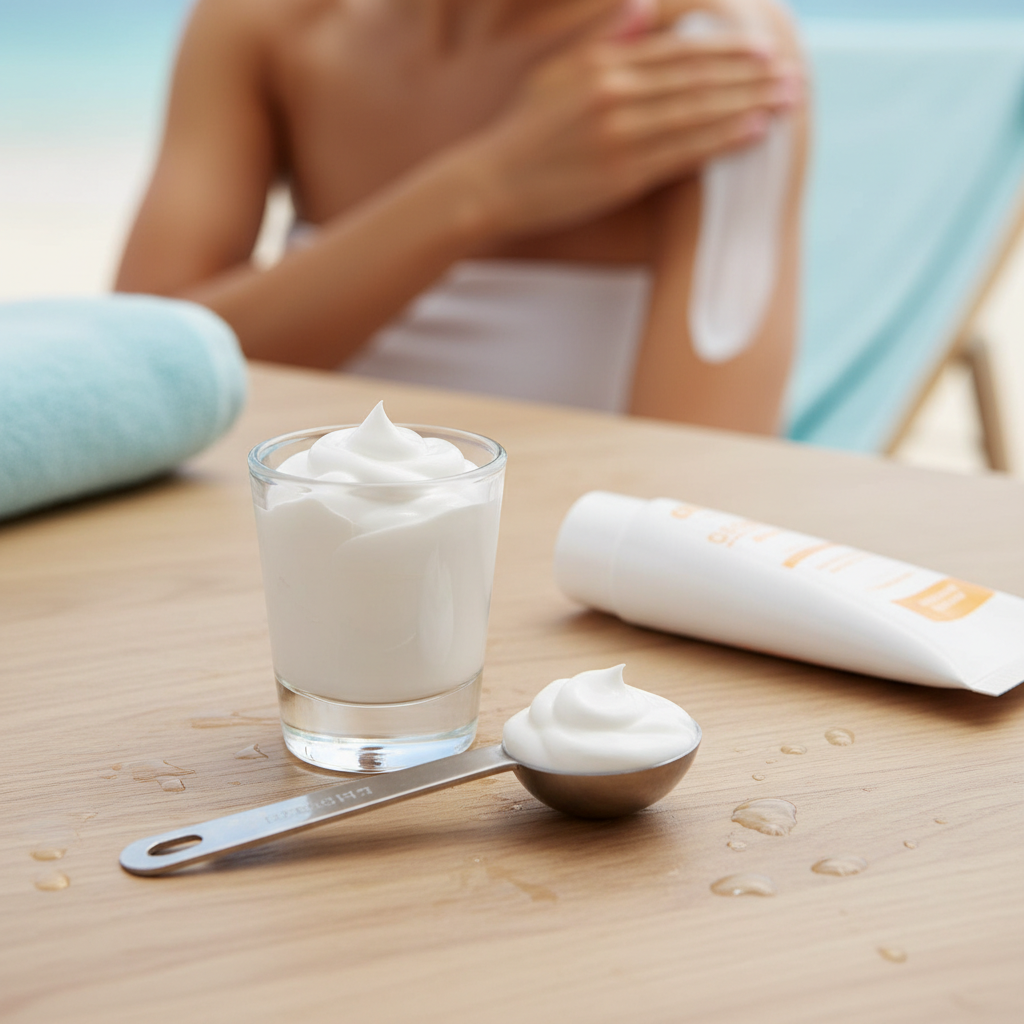
Sunscreen isn’t just for sunny days; it’s your daily shield against UV radiation and a critical component of anti-pollution defense. Mineral sunscreens, containing Zinc Oxide and Titanium Dioxide, physically block UV rays and are increasingly formulated to offer protection against visible light, including blue light emitted by screens and urban environments, which can also generate free radicals.
In 2026, the science around sunscreen reapplication has become even more nuanced. While 2 hours is a general guideline, urban women spending most of their day indoors near windows or commuting will benefit from a mid-day reapplication, especially if using makeup. Look for broad-spectrum formulas with at least SPF 30, and ideally SPF 50, that explicitly mention blue light protection to ensure comprehensive defense.
What’s the Ideal Anti-Pollution Skincare Routine for City Dwellers?
A strategic, consistent routine is your best defense. Think of it as a daily ritual to cleanse, protect, and repair.
Morning Routine: Shield and Protect
- Gentle Cleanse: Start with a mild, pH-balanced cleanser to remove any overnight accumulation without stripping your skin.
- Antioxidant Serum: Apply a potent Vitamin C (L-Ascorbic Acid) serum, ideally with Ferulic Acid and Vitamin E. This creates a protective shield against free radicals generated by pollution and UV.
- Hydrating Moisturizer: Choose a lightweight moisturizer rich in ceramides, hyaluronic acid, or niacinamide to support your skin barrier and lock in hydration.
- Broad-Spectrum Mineral SPF: This is non-negotiable. Apply a generous amount of SPF 30-50+ mineral sunscreen. Ensure it’s broad-spectrum (UVA/UVB) and ideally formulated with blue light protection. Don’t forget your neck and décolletage.
Evening Routine: Repair and Renew
- Double Cleanse: This is crucial for urban women. Start with an oil-based cleanser or micellar water to dissolve makeup, sunscreen, and oil-soluble pollutants. Follow with a gentle, water-based cleanser to thoroughly clean your skin without harshness.
- Targeted Treatment (Retinol/Retinal, AHA/BHA):
- Retinoids (Retinol or Retinal): These Vitamin A derivatives are gold standards for anti-aging, promoting cell turnover, boosting collagen, and improving skin texture. Retinal (Retinaldehyde) is a potent form, often favored in 2026 for its efficacy closer to prescription retinoids but with potentially less irritation than traditional retinol. Start slowly (2-3 times a week) and increase frequency as tolerated.
- AHAs (Alpha Hydroxy Acids) / BHAs (Beta Hydroxy Acids): Used a few times a week, AHAs (like Glycolic or Lactic Acid) exfoliate the skin’s surface, improving brightness and texture. BHAs (like Salicylic Acid) are oil-soluble, penetrating pores to clear congestion, especially beneficial for oily or acne-prone skin.
- Barrier Repair Moisturizer: Finish with a richer moisturizer packed with ceramides, peptides, and hyaluronic acid to repair and regenerate your skin barrier overnight.
Weekly Boosters & Tools
Incorporate these sparingly, based on your skin’s needs:
- Exfoliating Mask: A gentle enzyme or AHA mask once a week can help slough off dead skin cells and pollutant residue, enhancing product absorption.
- Hydrating Mask: For an extra boost of moisture and barrier support.
- Dermal-Grade At-Home Tools: While not essential, trends like LED light therapy masks (red light for collagen, blue light for acne) or microcurrent devices can complement your routine by improving skin tone and firmness. Always follow manufacturer instructions and integrate carefully.
Drugstore vs. Prestige: Can Affordable Skincare Really Combat Pollution?
The good news for your wallet is that effective anti-pollution skincare doesn’t always require a prestige price tag. Many drugstore brands have invested heavily in research and development, making high-quality, dermatologist-recommended formulations accessible.
The efficacy of a product hinges on its formulation, the concentration of active ingredients, and the stability of those actives, not necessarily the brand name or packaging. For example, you can find excellent Vitamin C serums, niacinamide treatments, and ceramide-rich moisturizers from brands like CeraVe, La Roche-Posay, and The Ordinary that deliver significant anti-pollution benefits. These brands often leverage FDA-approved actives and adhere to strict formulation standards.
Prestige brands, while often more expensive, typically offer more elegant textures, unique botanical blends, advanced delivery systems, and a more luxurious user experience. They might also incorporate newer, patented ingredients. However, for core anti-pollution ingredients like Vitamin C, niacinamide, and mineral SPF, you can certainly find effective options at various price points. The key is to look at the ingredient list and formulation rather than just the brand name.
Comparing Anti-Pollution Skincare Essentials
Here’s a comparison of common anti-pollution product types, highlighting their benefits and ideal use cases:
| Product Type | Key Anti-Pollution Actives | Best For | SkincareNA Insight |
|---|---|---|---|
| Antioxidant Serum | L-Ascorbic Acid (Vitamin C), Ferulic Acid, Vitamin E, Green Tea Extract | All skin types, especially those concerned with dullness, hyperpigmentation, and premature aging. | A morning essential. Look for stable formulations in opaque packaging to preserve potency. Consider layering with Niacinamide for enhanced benefits. |
| Barrier Repair Moisturizer | Ceramides, Hyaluronic Acid, Niacinamide, Glycerin, Squalane | Dry, sensitive, or compromised skin barrier; anyone in a polluted environment. | Crucial for repairing and maintaining skin integrity. Can be used morning and night. A stronger barrier means less pollutant penetration. |
| Mineral SPF 50+ | Zinc Oxide, Titanium Dioxide | All skin types, daily use. Essential for urban dwellers. | Provides broad-spectrum UV and often blue light protection. Reapplication throughout the day, especially if outdoors or near windows, is vital. |
| Retinal (Retinaldehyde) Treatment | Retinal, Peptides, Hyaluronic Acid | Most skin types, especially mature or acne-prone skin. Not for pregnant/nursing. | A powerful evening treatment to accelerate cell turnover and boost collagen. Start with a lower concentration and introduce gradually to build tolerance. |
Actionable Tips for Urban Women
- Double Cleanse Diligently: Make this a non-negotiable part of your evening routine to thoroughly remove makeup, SPF, and embedded pollutants.
- Prioritize Antioxidants: Integrate a high-quality Vitamin C serum into your morning routine to create an invisible shield against free radical damage.
- Never Skip SPF: Apply a broad-spectrum mineral SPF 30-50+ every single morning, regardless of weather, and consider reapplication.
- Strengthen Your Barrier: Use moisturizers and serums with ceramides, niacinamide, and hyaluronic acid to keep your skin’s protective barrier robust and resilient.
- Stay Hydrated Internally: Drink plenty of water throughout the day to support overall skin health and its ability to repair itself.
- Consider Air Quality Alerts: On days with high pollution indexes, minimize outdoor exposure if possible, and be extra diligent with your skincare routine.
- Clean Your Screens: Your phone and tablet screens accumulate pollutants and bacteria; clean them regularly to prevent transfer to your face.
Frequently Asked Questions
How often should I reapply sunscreen in the city?
For most urban women, reapplication every 2-3 hours is ideal if you’re spending significant time outdoors, commuting, or near sunny windows. If you’re primarily indoors and away from direct sunlight, a single robust morning application might suffice, but a mid-day refresh with a mist or powder SPF is always a good practice, especially given increased awareness of blue light exposure.
Is double cleansing truly necessary for anti-pollution?
Yes, absolutely. Urban environments expose your skin to a mix of oil-soluble (makeup, SPF, environmental pollutants like exhaust fumes) and water-soluble impurities (sweat, dirt). An oil-based cleanser effectively dissolves the former, while a water-based cleanser removes the latter, ensuring a truly clean canvas without stripping the skin. This prevents pollutant buildup that can lead to clogged pores and oxidative stress.
Can diet play a role in protecting my skin from pollution?
While topical skincare is crucial, a diet rich in antioxidants can certainly complement your efforts. Foods high in Vitamins C and E (berries, citrus, leafy greens, nuts), omega-3 fatty acids (fatty fish, flaxseed), and polyphenols (green tea, dark chocolate) help combat oxidative stress from within, supporting your skin’s natural defense and repair mechanisms.
What’s the difference between retinal and retinol for urban skin?
Both are Vitamin A derivatives, but retinal (retinaldehyde) is a step closer to the active form, retinoic acid, than retinol. This means retinal converts to retinoic acid more efficiently and often works faster with potentially less irritation for some users compared to traditional retinol. For urban skin prone to accelerated aging, retinal offers a powerful option for cell turnover and collagen production, helping to reverse visible signs of pollution damage.
My skin is sensitive, how can I use anti-pollution actives without irritation?
Sensitive skin requires a gentle approach. Focus on barrier-strengthening ingredients like ceramides and niacinamide first. When introducing antioxidants like Vitamin C, start with lower concentrations and patch test. For retinoids or AHAs, begin with the lowest strength once or twice a week and slowly increase frequency as your skin builds tolerance. Always pair actives with a soothing, hydrating moisturizer.
Conclusion
Navigating city life doesn’t mean sacrificing healthy, radiant skin. By understanding how urban pollution impacts your complexion and adopting a targeted skincare routine that prioritizes robust antioxidant protection, diligent cleansing, consistent SPF, and diligent barrier support, you can effectively mitigate environmental damage and prevent premature aging. Consistency is key – make these steps a non-negotiable part of your daily ritual, and your skin will thank you with lasting resilience and youthful vitality.