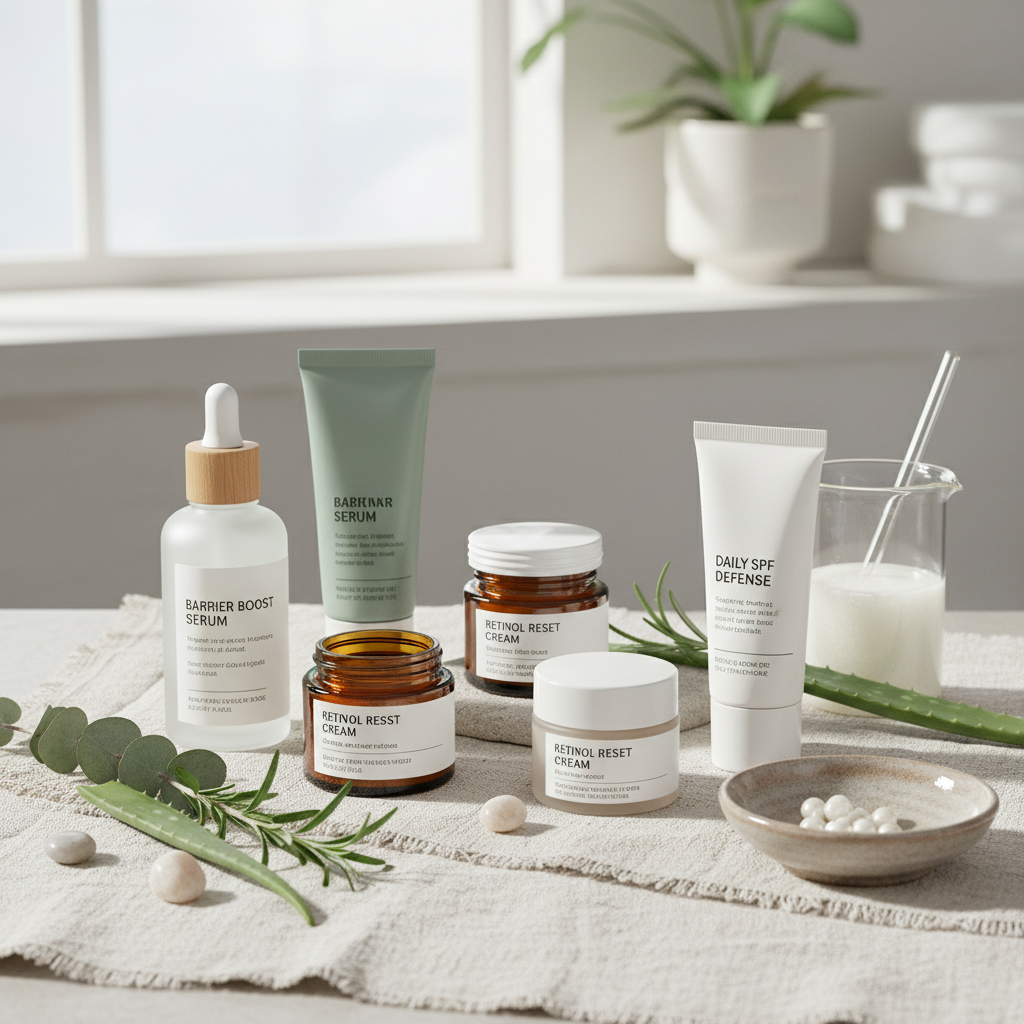
Reversing sun damage involves a multi-pronged approach combining potent active ingredients like retinoids and Vitamin C, consistent sun protection with broad-spectrum SPF, and sometimes professional treatments. Focusing on skin barrier health while targeting fine lines and hyperpigmentation is key for noticeable and sustainable improvement, adapting routines to individual skin type and concerns.
Introduction
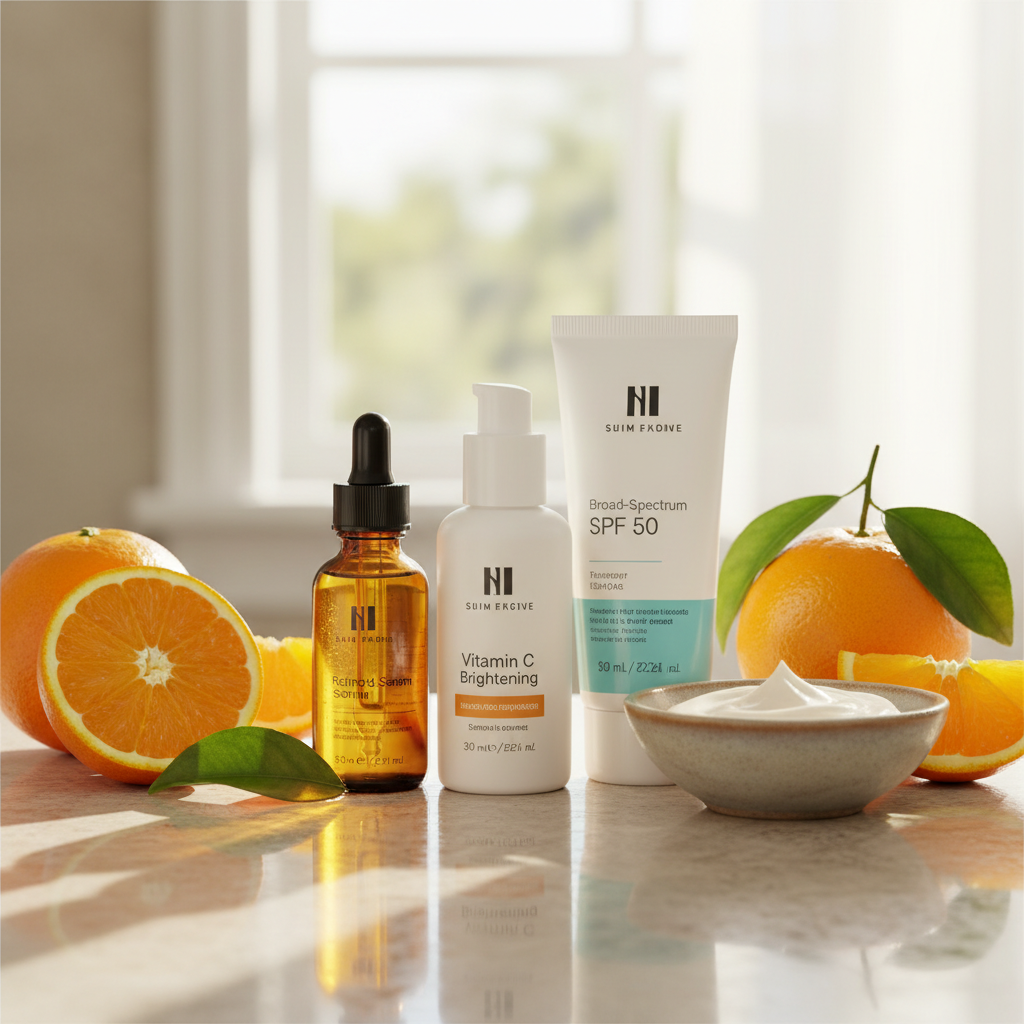
Sun damage, often a cumulative effect of years spent under the sun’s powerful rays, manifests as fine lines, wrinkles, uneven skin tone, and distinct hyperpigmentation spots. While prevention is always paramount, it’s never too late to address existing damage. In 2026, with advancements in skincare science and technology, we have more effective tools than ever to help restore your skin’s youthful radiance and evenness.
What Exactly is Sun Damage and Why Does It Matter?
Sun damage, or photoaging, is primarily caused by prolonged exposure to ultraviolet (UV) radiation from the sun. This exposure breaks down collagen and elastin fibers in the skin, leading to a loss of elasticity and the formation of fine lines and wrinkles. Simultaneously, it triggers an overproduction of melanin, resulting in dark spots, sunspots, and an overall uneven complexion. Beyond aesthetics, chronic sun exposure increases the risk of skin cancer, making addressing and preventing sun damage a critical aspect of overall skin health.
The Two Main Culprits: UVA and UVB Rays
Both UVA and UVB rays contribute to sun damage, though in different ways:
- UVA Rays: These long-wave rays penetrate deep into the dermis, where they damage collagen and elastin, leading to premature aging, wrinkles, and sagging. They can also contribute to hyperpigmentation and skin cancer.
- UVB Rays: These shorter-wave rays primarily affect the skin’s surface, causing sunburn and directly damaging DNA, which significantly increases the risk of skin cancer. They are also a major contributor to dark spots.
Understanding these mechanisms helps us choose the right protective measures and corrective treatments.
Which Skincare Actives Actually Reverse Fine Lines and Hyperpigmentation?
The cornerstone of any effective sun damage reversal routine lies in its active ingredients. These are the workhorses that signal your skin to repair itself, boost collagen, and regulate melanin production.
Retinoids: The Gold Standard for Renewal
Retinoids are derivatives of Vitamin A and are arguably the most studied and dermatologist-recommended ingredients for anti-aging and sun damage repair. They work by accelerating cell turnover, stimulating collagen production, and inhibiting melanin transfer, which effectively diminishes fine lines and fades hyperpigmentation.
- Retinol: A popular over-the-counter retinoid. It converts to retinaldehyde and then to retinoic acid in the skin. How it works: Boosts cell turnover and collagen synthesis, improving skin texture and tone.
- Retinal (Retinaldehyde): A more potent form of retinoid than retinol, requiring only one conversion step to retinoic acid. How it works: Acts faster and more effectively than retinol at reducing lines and hyperpigmentation with potentially less irritation for some.
- Tretinoin (Retinoic Acid): A prescription-strength retinoid that is already in its active form. How it works: Directly binds to retinoid receptors in the skin, offering the most potent effects for severe sun damage and acne, but also with the highest potential for irritation.
Vitamin C: The Brightening Antioxidant
L-Ascorbic Acid, the pure form of Vitamin C, is a powerful antioxidant that protects skin cells from free radical damage caused by UV exposure. How it works: It brightens the complexion by inhibiting melanin production, fades existing dark spots, and is crucial for collagen synthesis, helping to firm the skin and reduce fine lines.
Niacinamide (Vitamin B3): The Multi-Tasker
Niacinamide is a versatile ingredient known for its numerous skin benefits. How it works: It improves skin barrier function, reduces inflammation, minimizes pore appearance, and significantly helps to reduce hyperpigmentation by preventing melanin transfer to skin cells. It’s often well-tolerated by sensitive skin types.
AHAs (Alpha Hydroxy Acids): Chemical Exfoliation for Radiance
AHAs, such as glycolic acid and lactic acid, are chemical exfoliants that loosen the bonds between dead skin cells, allowing them to shed more easily. How it works: This process reveals fresher, brighter skin underneath, improving texture, reducing the appearance of fine lines, and fading surface hyperpigmentation over time.
Hyaluronic Acid: The Hydration Hero
While not directly reversing sun damage, hyaluronic acid is essential for maintaining skin hydration and barrier health, especially when using potent actives. How it works: It attracts and holds up to 1,000 times its weight in water, plumping the skin, reducing the visibility of fine lines, and supporting the skin’s natural repair processes.
Peptides: Building Blocks for Stronger Skin
Peptides are short chains of amino acids that act as messengers in the skin, signaling it to perform various functions. How it works: Different types of peptides can stimulate collagen production, improve elasticity, and aid in wound healing, contributing to a firmer, more resilient complexion that’s better equipped to repair itself.
Can At-Home Devices Really Make a Difference?
The 2026 skincare landscape has seen an explosion of dermal-grade at-home tools, making professional-level treatments more accessible. While they don’t replace in-office procedures, they can significantly enhance your sun damage reversal efforts.
Microcurrent Devices
These devices deliver low-level electrical currents to stimulate facial muscles. How it works: They can help to tone and lift the skin, improving the appearance of fine lines and overall facial contour, offering a temporary firming effect.
LED Light Therapy Masks
LED masks utilize different wavelengths of light to penetrate the skin. How it works: Red light stimulates collagen production and reduces inflammation, which can improve fine lines and overall skin texture. Blue light targets acne-causing bacteria, and near-infrared light can aid in deeper cellular repair.
Micro-Needling Rollers/Pens
These devices create tiny micro-injuries in the skin, prompting the skin’s natural healing process. How it works: This stimulates collagen and elastin production, which can improve the appearance of fine lines, wrinkles, and even some types of hyperpigmentation and textural irregularities.
Expert Tip: When choosing an at-home device, always prioritize safety and follow manufacturer instructions precisely. Overuse or improper technique can cause irritation or damage. Look for devices cleared by regulatory bodies if available in the US market.
When Should I Consider Professional Treatments?
While a consistent at-home routine is foundational, certain professional treatments offered by dermatologists or licensed estheticians can deliver faster, more dramatic results for significant sun damage.
Laser and IPL (Intense Pulsed Light) Therapies
These treatments use focused light energy to target specific skin concerns.
- IPL: Excellent for treating hyperpigmentation, sunspots, and overall redness by targeting melanin and hemoglobin.
- Fractional Lasers (e.g., Fraxel): Create microscopic columns of thermal injury in the skin, stimulating intensive collagen remodeling. These are highly effective for deep wrinkles, severe texture issues, and stubborn pigmentation.
Chemical Peels
Professional chemical peels use higher concentrations of acids (like AHAs, BHAs, or TCA) than at-home products to remove damaged outer layers of skin. How it works: They reveal smoother, clearer skin underneath, effectively reducing hyperpigmentation, fine lines, and improving overall skin texture. Depth of peel varies from superficial to deep, tailored to your skin concerns and downtime tolerance.
Prescription Topical Treatments
A dermatologist can prescribe stronger retinoids (like Tretinoin) or other specialized compounds (e.g., hydroquinone for severe hyperpigmentation) that are not available over-the-counter. These offer more potent effects than their OTC counterparts but require medical supervision due to potential side effects.
How Do I Build an Effective Sun Damage Reversal Routine?
Building a routine requires consistency, patience, and a smart layering strategy. Here’s a general framework, adaptable for different skin types.
Morning Routine: Protection and Prevention
- Gentle Cleanser: Start with a mild cleanser to remove overnight buildup without stripping your skin.
- Antioxidant Serum (e.g., Vitamin C): Apply a high-quality Vitamin C serum. It acts as a shield against environmental damage and brightens the skin.
- Hydrating Serum (e.g., Hyaluronic Acid, Niacinamide): Follow with a hydrating serum to plump the skin and support barrier function. Niacinamide can be included here.
- Moisturizer: Lock in hydration and support your skin barrier. Choose a formula suited for your skin type (gel for oily, cream for dry).
- Broad-Spectrum SPF 30+ (Non-Negotiable): This is the most critical step. Use a mineral SPF (zinc oxide, titanium dioxide) for broad-spectrum protection and often better tolerance for sensitive skin. Reapply every two hours, especially if outdoors.
Evening Routine: Repair and Renewal
- Double Cleanse: Especially if you wear makeup or heavy SPF, start with an oil-based cleanser or micellar water, followed by your gentle water-based cleanser.
- Targeted Treatment (e.g., Retinoid, AHA): Apply your chosen active. If new to retinoids, start 2-3 times a week and gradually increase. If using an AHA, alternate nights with retinoids or use on separate nights.
- Hydrating Serum (e.g., Hyaluronic Acid, Peptides): Replenish moisture and support skin repair.
- Rich Moisturizer (e.g., Ceramides): A good moisturizer, especially one with ceramides, is crucial to soothe and repair the skin barrier, counteracting potential dryness or irritation from actives.
Product Comparison: Retinoid Options for Different Needs
Choosing the right retinoid depends on your skin’s sensitivity, current sun damage, and tolerance.
| Retinoid Type | Potency Level | Typical User Profile | Key Benefits for Sun Damage |
|---|---|---|---|
| Retinol | Moderate | Beginners, sensitive skin, mild to moderate fine lines/hyperpigmentation. Widely available in drugstore and prestige brands. | Improves texture, fades light spots, reduces fine lines with minimal irritation. |
| Retinal (Retinaldehyde) | High | Experienced retinoid users, moderate sun damage, those seeking faster results than retinol. Becoming more common in prestige brands. | More effective than retinol for deeper lines and more stubborn hyperpigmentation, generally well-tolerated. |
| Tretinoin (Prescription) | Very High | Severe sun damage, deep wrinkles, significant hyperpigmentation, acne. Requires dermatologist consultation. | Most potent for comprehensive sun damage reversal, significant collagen boost, and hyperpigmentation fading. |
Addressing Specific Skin Types and Concerns
- Sensitive Skin: Introduce actives slowly (e.g., retinol 1-2 times a week), buffer with moisturizer, prioritize niacinamide and ceramides for barrier support. Patch test new products.
- Oily/Combination Skin: May tolerate stronger actives more readily. Look for gel-based moisturizers and non-comedogenic formulas. Salicylic acid (BHA) can be incorporated to manage oil and congestion while addressing sun damage.
- Dry/Mature Skin: Focus on rich, emollient moisturizers and hydrating serums. Opt for gentle retinoids or retinoids formulated with moisturizing ingredients.
What’s the Best Way to Prevent Future Sun Damage?
Preventing new sun damage is as crucial as reversing old. Consistent, year-round sun protection is non-negotiable.
The Power of Broad-Spectrum SPF
Always choose a broad-spectrum sunscreen with an SPF of 30 or higher. Look for mineral sunscreens containing zinc oxide and/or titanium dioxide, as these offer physical blockers against both UVA and UVB rays and are generally well-tolerated. Reapplication is key – every two hours when exposed to direct sunlight, and immediately after swimming or sweating. The 2026 understanding of sunscreen emphasizes consistent, adequate application for true efficacy.
Protective Clothing and Shade
Don’t rely solely on sunscreen. Seek shade during peak sun hours (typically 10 AM to 4 PM), wear wide-brimmed hats, UV-protective clothing, and sunglasses. These physical barriers offer immediate and reliable protection.
Frequently Asked Questions
Is it possible to completely reverse all sun damage?
While significant improvement is absolutely achievable, completely erasing every trace of sun damage, especially deep wrinkles or very stubborn hyperpigmentation, can be challenging. The goal is substantial reversal and prevention of further damage, leading to dramatically healthier and younger-looking skin.
How long does it take to see results from sun damage reversal products?
Patience is key. You might start seeing subtle improvements in skin texture and radiance within 4-6 weeks with consistent use of actives like retinoids and Vitamin C. More significant changes in fine lines and hyperpigmentation typically require 3-6 months, and sometimes even longer for deeper issues.
Can I use multiple active ingredients at once?
It depends on the actives and your skin’s tolerance. Combining Vitamin C in the morning with a retinoid at night is often effective. However, layering multiple strong exfoliants (like AHAs and retinoids) simultaneously can lead to irritation. It’s best to introduce one new active at a time, or alternate them on different nights, to gauge your skin’s reaction. Consult a dermatologist if unsure.
Are drugstore sun damage products as effective as prestige brands?
Yes, many drugstore brands offer highly effective products with FDA-approved actives (like retinoids, Vitamin C, niacinamide, and mineral SPF) at accessible price points. The key is to look at the ingredient list and concentrations, not just the brand name. Dermatologist consensus often supports well-formulated drugstore options.
What if my skin is too sensitive for retinoids?
If traditional retinoids cause too much irritation, consider starting with a very low concentration retinol (0.1-0.2%), using it only 1-2 times a week, or trying a bakuchiol product, which offers some retinoid-like benefits without the irritation. Prioritize skin barrier repair with ceramides and hyaluronic acid, and ensure consistent use of Vitamin C and Niacinamide, which are generally well-tolerated.
Conclusion
Reversing sun damage is a journey, not a sprint. By understanding the science behind skin repair, consistently incorporating powerful actives like retinoids and Vitamin C, embracing smart sun protection, and considering professional treatments when necessary, you can significantly diminish fine lines and hyperpigmentation. Prioritizing your skin barrier health throughout this process will ensure your skin remains resilient and radiant for years to come.