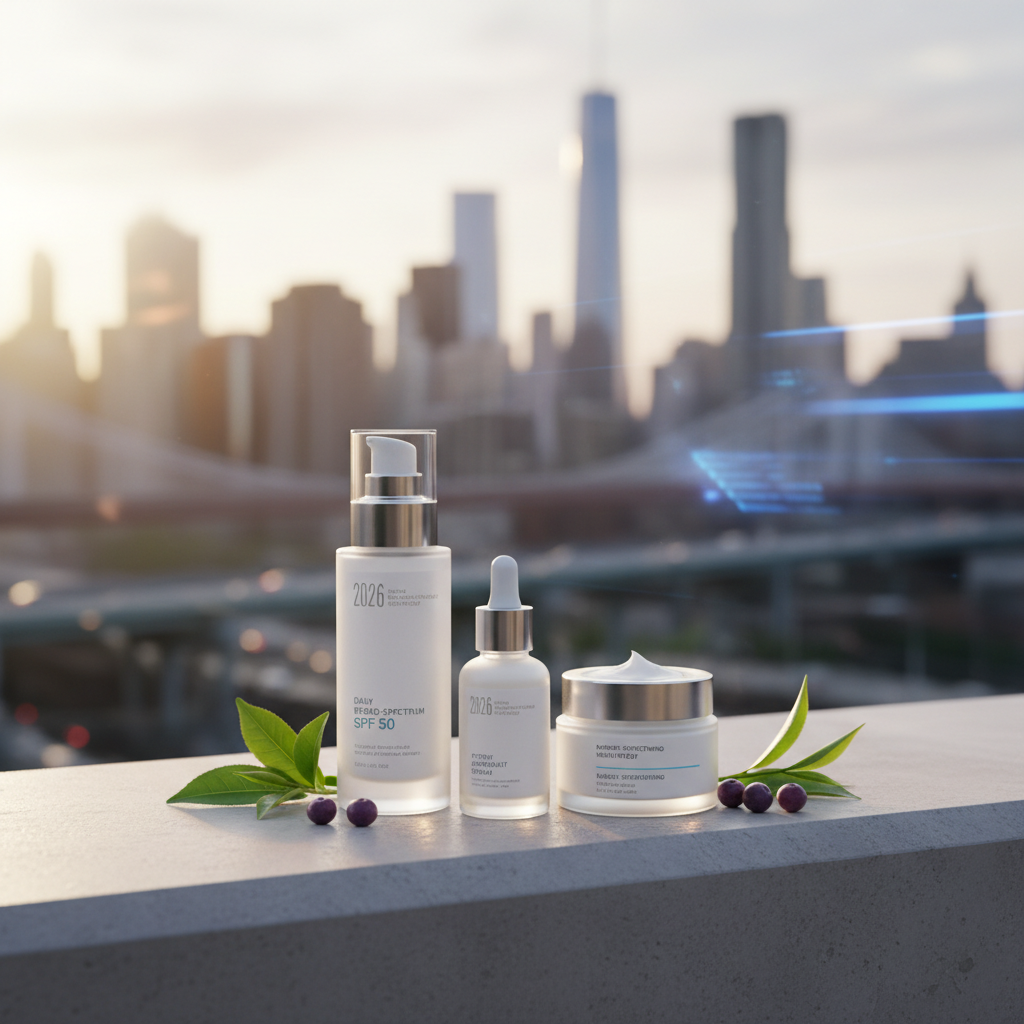
For sensitive skin in 2026, the best mineral SPFs effectively provide broad-spectrum protection without a white cast by leveraging advanced micronized zinc oxide and titanium dioxide, often combined with iron oxides for tinting. Look for formulations enriched with soothing ingredients like niacinamide, ceramides, and hyaluronic acid to support the skin barrier and minimize irritation.
Introduction
In the evolving landscape of skincare, sunscreen remains the undisputed champion for preventing premature aging and protecting against skin cancer. For those with sensitive skin, however, the quest for the perfect daily SPF can often feel like a frustrating journey through irritation, breakouts, and the dreaded white cast. Good news: 2026 formulations have made significant strides, offering mineral-based protection that’s gentle, effective, and virtually invisible.
What Makes Mineral SPF Ideal for Sensitive Skin?
Mineral sunscreens, also known as physical sunscreens, utilize natural mineral filters to create a protective barrier on the skin’s surface. Unlike chemical sunscreens, which absorb UV rays and convert them into heat, mineral filters reflect and scatter UV radiation away from the skin. This mechanism is inherently gentler, making them the gold standard for sensitive skin types, including those prone to rosacea, eczema, or post-procedure sensitivity.
How Do Zinc Oxide and Titanium Dioxide Protect?
- Zinc Oxide: A broad-spectrum filter that provides excellent protection against both UVA and UVB rays. It’s also known for its soothing and anti-inflammatory properties, which can be beneficial for irritated skin.
- Titanium Dioxide: Primarily effective against UVB and short-wave UVA rays. It works synergistically with zinc oxide to offer comprehensive protection.
The beauty of these mineral actives lies in their inert nature. They sit on top of the skin rather than being absorbed, significantly reducing the likelihood of allergic reactions or irritation that some individuals experience with chemical filters like oxybenzone or avobenzone.
How Do Mineral SPFs Achieve “No White Cast” in 2026?
The days of ghostly white faces from mineral sunscreen are largely behind us. Modern formulation science in 2026 has revolutionized how these products look and feel on the skin. The key lies in several innovative approaches:
Micronization and Nanoparticle Technology
One of the primary advancements is the use of micronized or nano-sized zinc oxide and titanium dioxide particles. These particles are milled to be incredibly small, allowing them to spread more evenly and transparently on the skin without clumping or leaving a visible residue. The FDA continues to monitor the safety of nanoparticles in cosmetics, and current consensus suggests that these particles, when formulated for topical use, do not penetrate beyond the stratum corneum, making them safe for external application.
Tinted Formulations with Iron Oxides
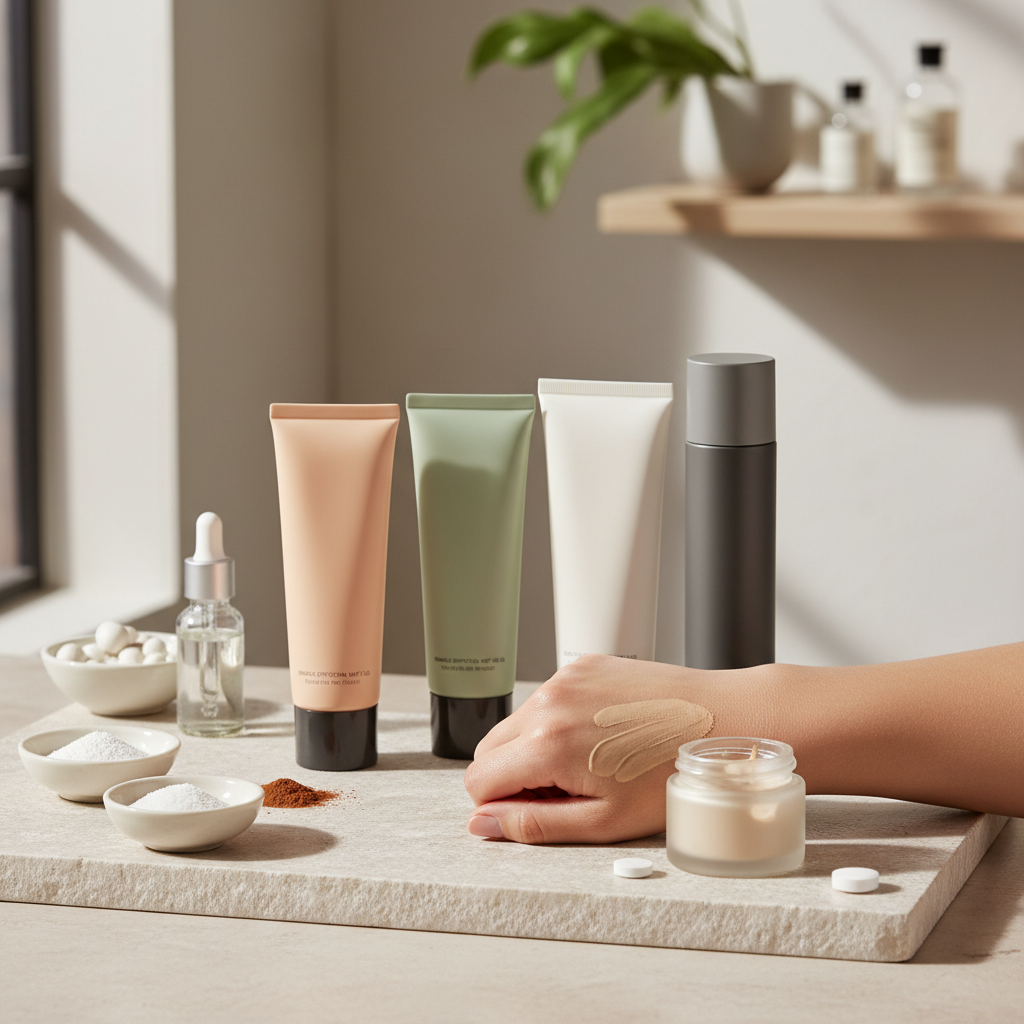
For many, the most effective solution to the white cast has been the integration of iron oxides. These pigments, often found in foundations and BB creams, are blended into mineral SPF formulations to offer a subtle tint that helps neutralize any potential white cast, blending seamlessly with a variety of skin tones. Beyond aesthetics, iron oxides have the added benefit of providing some protection against visible light and blue light, a growing area of concern in dermatological research, especially for those prone to hyperpigmentation.
Emollient Bases and Advanced Spreading Agents
Modern mineral SPFs are no longer thick, pasty creams. Formulators now use sophisticated emollient bases and spreading agents that allow the product to glide on smoothly and absorb quickly, leaving a soft, often dewy or matte finish depending on the product’s design. This improved texture enhances user compliance, making daily application a more pleasant experience.
Which Key Ingredients Enhance Mineral SPFs for Sensitive Skin?
Beyond the mineral filters themselves, the best SPFs for sensitive skin in 2026 are often fortified with a host of beneficial ingredients that soothe, hydrate, and strengthen the skin barrier.
- Niacinamide (Vitamin B3): A powerhouse ingredient known for its anti-inflammatory properties, niacinamide helps reduce redness, improve skin barrier function, and minimize pore appearance, making it ideal for sensitive and acne-prone skin.
- Hyaluronic Acid: A potent humectant that attracts and holds up to 1000 times its weight in water, providing intense hydration and plumping the skin without feeling heavy.
- Ceramides: Essential lipids that make up a significant portion of the skin barrier. Incorporating ceramides helps to repair and strengthen the skin’s natural protective layer, reducing moisture loss and sensitivity.
- Antioxidants (e.g., Vitamin C, Vitamin E, Ferulic Acid): These ingredients scavenge free radicals generated by UV radiation and environmental pollutants, providing an extra layer of defense against oxidative stress and premature aging. Vitamin C also helps brighten the complexion.
- Soothing Botanicals (e.g., Aloe Vera, Bisabolol, Allantoin): Natural extracts known for their calming and anti-irritant properties, helping to reduce redness and discomfort.
- Peptides: Small chains of amino acids that can signal the skin to produce more collagen, improve elasticity, and promote overall skin health, often found in more advanced formulations.
Comparing Top Mineral SPFs for Sensitive Skin in 2026: No White Cast
Finding the right mineral SPF involves considering your skin type, desired finish, and specific concerns. Here’s a comparison of some real-sounding product types that excel in 2026 for sensitive skin, offering broad-spectrum protection without the dreaded white cast.
| Product Category | Key Mineral Actives | Tint/Finish | Notable Soothing Ingredients | Best For |
|---|---|---|---|---|
| Dermatologist-Recommended Daily Tinted Moisturizer SPF | Zinc Oxide (10-12%), Titanium Dioxide (2-4%) | Sheer tint, natural radiant finish | Niacinamide, Hyaluronic Acid, Ceramides | Dry to combination sensitive skin, daily wear, light coverage |
| Ultra-Lightweight Matte Mineral Fluid SPF | Zinc Oxide (15-18%) | Invisible, matte finish | Willow Bark Extract, Green Tea Antioxidants | Oily to combination sensitive skin, acne-prone, humid climates |
| Barrier-Repairing Cream SPF with Blue Light Filter | Zinc Oxide (18%), Iron Oxides | Universal tint, dewy finish | Ceramides, Peptides, Vitamin E | Mature or dry sensitive skin, post-procedure, digital screen users |
| “Clean Beauty” Hydrating Mineral Drops SPF | Zinc Oxide (16%) | Untinted but sheer, natural finish | Squalane, Bisabolol, Mushroom Extract | All sensitive skin types, minimalist routines, layering under makeup |
Beyond the Bottle: Optimizing Your Mineral SPF Routine
While the product itself is crucial, how you incorporate it into your daily regimen significantly impacts its efficacy, especially for sensitive skin.
- Apply Generously: Most people don’t apply enough sunscreen. Aim for about a nickel-sized amount for your face and neck. Don’t forget your ears and décolletage.
- Layer Smartly: Apply your mineral SPF as the last step in your morning skincare routine, after serums and moisturizers, but before any makeup. If using a Vitamin C serum (a powerful antioxidant), apply it before your SPF for enhanced protection.
- Reapplication is Key: In 2026, the science of sunscreen reapplication is clearer than ever. Even “long-lasting” formulas degrade. Reapply every two hours when outdoors, especially after sweating or swimming. For daily indoor wear, a single application may suffice, but consider a touch-up with a powder or stick SPF if you’re near windows or spend time outdoors.
- Patch Test New Products: Always patch test a new product on a small, inconspicuous area of your skin (like behind the ear or on your inner arm) for a few days before applying it all over your face, especially if you have highly reactive skin.
- Complement with Other Sun Protection: No SPF offers 100% protection. Wear wide-brimmed hats, UV-protective clothing, and seek shade during peak sun hours (10 AM – 4 PM).
- Cleanse Thoroughly: At the end of the day, ensure you properly remove your mineral SPF, especially if it’s tinted or water-resistant. A double cleanse (oil-based cleanser followed by a water-based cleanser) is often effective without stripping sensitive skin.
Drugstore vs. Prestige: Does Price Dictate Performance for Sensitive Skin?
The US market offers an expansive range of mineral SPFs, from affordable drugstore finds to high-end prestige brands. For sensitive skin, the good news is that efficacy isn’t solely tied to price.
The FDA regulates sunscreen actives, meaning that both drugstore and prestige brands must meet specific standards for their stated SPF protection. What often differentiates them are the “inactive” ingredients—the vehicle, texture enhancers, additional antioxidants, soothing compounds, and aesthetic elegance. Drugstore brands have significantly improved their formulations, often delivering excellent, broad-spectrum mineral protection with minimal white cast and added sensitive-skin-friendly ingredients like ceramides and niacinamide.
Prestige brands might offer more sophisticated textures, unique blends of plant extracts, or patented delivery systems that enhance user experience or provide additional targeted benefits (e.g., anti-aging peptides). However, for core sun protection and gentle formulation for sensitive skin, many dermatologists agree that effective and well-tolerated options are available across all price points. The best approach is to look at the ingredient list, focus on zinc oxide and titanium dioxide content, and choose a formula that feels good on your skin and fits your budget.
Frequently Asked Questions
Is “broad-spectrum” still important in 2026?
Absolutely. “Broad-spectrum” means the sunscreen protects against both UVA (aging rays) and UVB (burning rays). UVA rays penetrate deeper into the skin and contribute to premature aging, wrinkles, and skin cancer, even without causing a sunburn. Always choose a broad-spectrum SPF to ensure comprehensive protection.
Can I use a mineral SPF if I have oily, sensitive skin?
Yes, many mineral SPFs are formulated specifically for oily and sensitive skin. Look for products labeled “oil-free,” “non-comedogenic,” or with a “matte” finish. Formulations containing ingredients like silica or willow bark extract can help absorb excess oil and minimize shine throughout the day without causing irritation.
How often should I reapply mineral sunscreen?
Dermatologists recommend reapplying sunscreen every two hours when exposed to direct sunlight, and immediately after swimming or excessive sweating, regardless of the SPF number. For daily, incidental exposure (e.g., commuting to an office), one thorough morning application might suffice, but if you’re spending time outdoors, reapplication is crucial.
What’s the difference between retinal and retinol in the context of SPF use?
Retinal (retinaldehyde) is a potent form of Vitamin A, one step closer to retinoic acid than retinol, meaning it converts more efficiently in the skin. Both retinol and retinal can increase skin’s sensitivity to the sun, making consistent SPF use non-negotiable. While retinal is generally considered more powerful than retinol, both are best applied at night, followed by a broad-spectrum mineral SPF every morning to protect your newly resurfaced skin.
Do tinted mineral SPFs offer better protection?
Tinted mineral SPFs, particularly those formulated with iron oxides, offer an added layer of protection beyond UV. Iron oxides have been shown to help protect against visible light, including blue light, which can contribute to hyperpigmentation, especially in individuals with melasma or post-inflammatory hyperpigmentation. So, yes, a well-formulated tinted mineral SPF can offer enhanced protection.
Conclusion
The search for the best mineral SPF for sensitive skin without a white cast has evolved significantly by 2026. Thanks to advancements in micronization, tinting technologies, and the strategic inclusion of skin-loving ingredients, you no longer have to compromise between effective sun protection and a comfortable, invisible finish. Prioritize broad-spectrum formulas with zinc oxide and titanium dioxide, look for added barrier-supporting ingredients, and commit to consistent, generous reapplication. Your sensitive skin will thank you with improved health, reduced irritation, and lasting radiance.