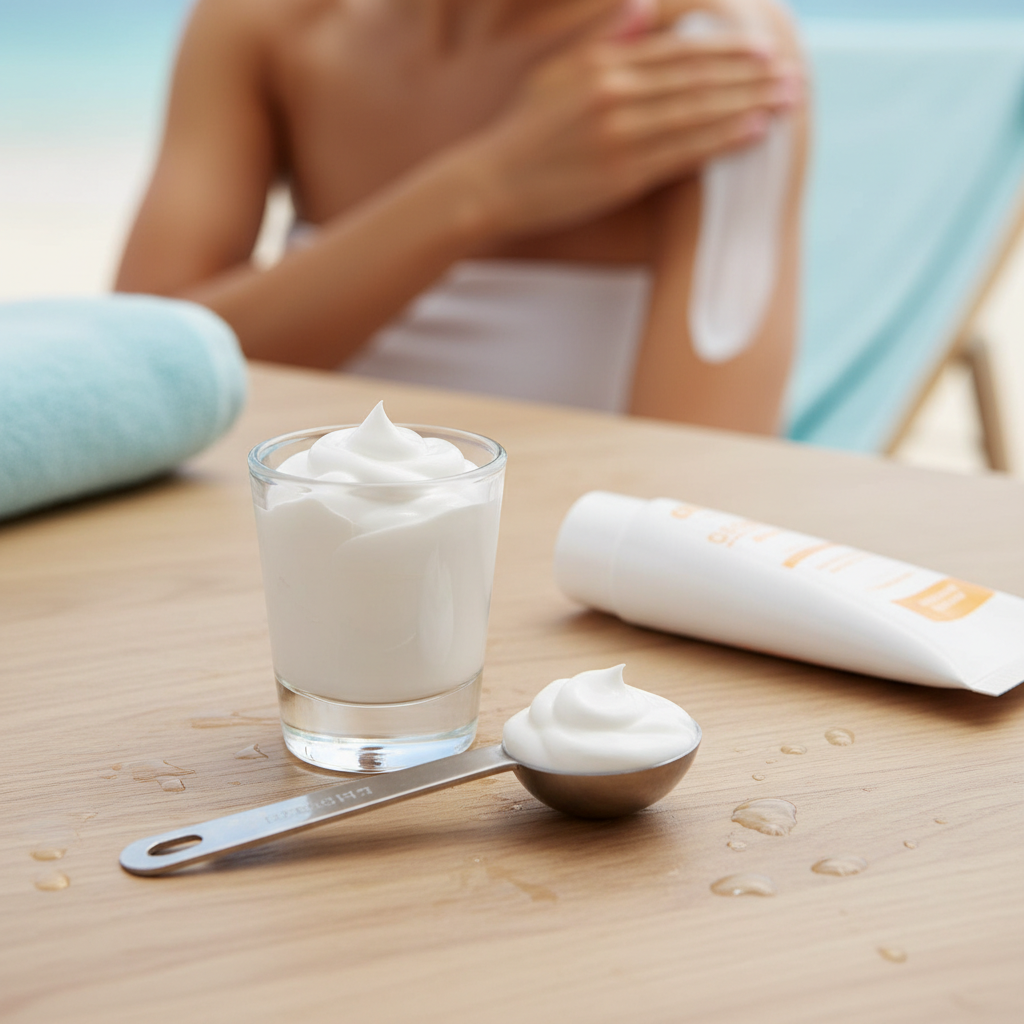
To ensure full protection, apply a generous amount of sunscreen: at least a quarter-teaspoon for your face and neck, and a full shot-glass for your body. Reapply every two hours, or more frequently after swimming, sweating, or towel drying, regardless of SPF number, to maintain consistent defense against UV damage.
Introduction
In 2026, the conversation around skincare has evolved beyond just treating concerns to proactively preserving skin health. At the core of this preventative approach lies sunscreen – not just as a summer essential, but as a non-negotiable daily staple. However, simply owning a bottle isn’t enough; the true power of your SPF is unlocked through proper application. This guide will demystify the science and provide actionable strategies to ensure you’re getting the most out of your sun protection.
What’s the Gold Standard for Sunscreen Application? (The “Rules”)
The efficacy of sunscreen, as indicated by its SPF (Sun Protection Factor), is determined under strict laboratory conditions where a very specific amount is applied. Most people significantly underapply, inadvertently reducing their actual protection. Understanding these “rules” is the first step towards achieving full defense.
The Quarter Teaspoon Rule for Face and Neck
For your face alone, the consensus among dermatologists is to use about a quarter of a teaspoon of sunscreen. If you include your neck, décolletage, and ears, you might need slightly more. This amount ensures adequate coverage to meet the SPF rating on the label. Many find it helpful to dispense the sunscreen onto two fingers, covering their length, as a visual guide.
The Shot Glass Rule for Body
When it comes to exposed body areas, the recommendation is approximately one ounce, which is roughly the amount that fits into a standard shot glass. Distribute this evenly across all areas not covered by clothing, paying special attention to easily missed spots like the tops of your feet, hands, and the back of your neck. It might feel like a lot, but this volume is crucial for comprehensive coverage.
The Importance of Layering
While many makeup products and moisturizers now boast SPF, these are typically not enough on their own. They are designed as secondary protection. Always apply a dedicated sunscreen as the last step in your skincare routine (before makeup) and allow it to fully absorb. If you’re using a dermal-grade at-home tool like an LED mask, apply your sunscreen after your treatment and before sun exposure.
Why Does the Amount Matter So Much?
The SPF rating on your sunscreen packaging is a promise, but it’s contingent on proper application. When sunscreen is applied too thinly, its protective barrier becomes compromised, leading to significantly less protection than advertised. This isn’t just about preventing sunburn; it’s about safeguarding your skin from the cumulative effects of UV radiation.
Inadequate application means you’re not getting the full benefit of the UV filters, leaving your skin vulnerable to photoaging (premature wrinkles, fine lines, dark spots), degradation of collagen and elastin, and an increased risk of skin cancer. Even a high SPF product applied sparingly can offer less protection than a lower SPF product applied generously. This is where the “sunscreen reapplication science” trend comes in, emphasizing that consistent, correct application is more impactful than simply chasing the highest SPF number.
How Do Mineral and Chemical Sunscreens Differ in Application?
The world of sunscreens broadly divides into two categories based on their active ingredients: mineral (physical) and chemical (organic) filters. Understanding their mechanisms can help optimize application.
Mineral Sunscreens (Physical Blockers)
These sunscreens contain zinc oxide and/or titanium dioxide. They work by sitting on the skin’s surface, creating a physical barrier that reflects and scatters UV radiation away from the skin. While often preferred for sensitive skin due to their gentle nature and FDA-approved status, they can sometimes leave a white cast, especially on deeper skin tones. This requires thorough, even blending to ensure transparency and full coverage. Modern formulations have significantly improved, offering micronized or tinted options to mitigate this.
Chemical Sunscreens (Organic Filters)
Chemical sunscreens use active ingredients like avobenzone, octinoxate, oxybenzone, and octisalate. These compounds absorb UV radiation as it penetrates the skin, converting it into heat, which is then released from the skin. They tend to be lighter in texture, absorb without a white cast, and are often favored for daily wear under makeup. The key is to apply them evenly to ensure a continuous film that can effectively absorb UV light.
| Feature | Mineral SPF (e.g., Zinc Oxide) | Chemical SPF (e.g., Avobenzone) |
|---|---|---|
| Primary Actives | Zinc Oxide, Titanium Dioxide | Avobenzone, Octinoxate, Homosalate, Octisalate, etc. |
| Mechanism | Reflects and scatters UV rays | Absorbs UV rays, converts to heat |
| Feel on Skin | Can be thicker, sometimes leaves a white cast (improving) | Generally lighter, invisible finish, absorbs well |
| Blending Effort | Requires thorough rubbing to minimize white cast | Easier to blend, disappears quickly |
| Common Concern | Potential white cast, thicker texture | Potential for irritation in very sensitive individuals |
What Are the Best Application Techniques for Different Sunscreen Formats?
The format of your sunscreen can influence the best application method to ensure adequate coverage.
Creams and Lotions
These are the most common formats. Dispense the recommended amount onto your fingertips. Dot the sunscreen evenly across your face and neck before gently massaging it in using upward and outward strokes. Ensure all areas, including around the eyes (if the product is safe for that area), hairline, and ears, are covered. Allow it to absorb for a few minutes before applying makeup.
Sticks
Sunscreen sticks are excellent for targeted application and reapplication, especially for areas like the nose, ears, and under-eye. For full coverage, apply by making multiple passes over each area, aiming for a visible layer. Don’t be shy; aim for 3-4 swipes across each section. Then, gently rub it in to ensure even distribution and absorption.
Sprays
Spray sunscreens are convenient but often lead to under-application. To use effectively, hold the nozzle close to your skin (within an inch or two) and spray until a visible sheen appears. Do not spray into the air and walk through it; this wastes product and provides minimal protection. After spraying, always rub the product into your skin to ensure even coverage and prevent missed spots. Never spray directly onto your face; spray onto your hands and then apply.
Powders
Sunscreen powders are primarily designed for reapplication over makeup and are not typically recommended as your primary form of sun protection. They offer a light layer of defense. For reapplication, use a generous amount, dusting it over your face with the included brush or a separate powder brush, focusing on areas prone to sun exposure. Remember, they supplement, not replace, your initial cream or lotion application.
When and How Often Should You Reapply Sunscreen?
Even with perfect initial application, sunscreen doesn’t last indefinitely. Its effectiveness diminishes over time due to sweating, rubbing, and simply breaking down under UV exposure. Reapplication is paramount for sustained protection.
The general rule of thumb, endorsed by dermatologists, is to reapply sunscreen every two hours when outdoors. This timeframe is a critical component of the “sunscreen reapplication science” trend, highlighting that consistent reapplication is as important as the initial amount. However, certain activities demand more frequent reapplication:
- After Swimming or Excessive Sweating: Even “water-resistant” sunscreens are only effective for 40 or 80 minutes (check the label) in water. Reapply immediately after towel drying.
- After Towel Drying: Friction can remove sunscreen, so reapply after drying off.
- After Intense Physical Activity: If you’re working out and sweating heavily, reapply more frequently than every two hours.
- After Wiping Your Face: Whether with a tissue or simply brushing your hand across your face, you may have removed some of the protective layer.
- During Prolonged Sun Exposure: If you’re spending an entire day outdoors, set a timer as a reminder to reapply diligently.
- When Using Dermal-Grade At-Home Tools: While tools like microcurrent devices or LED masks don’t remove sunscreen, maintaining consistent protection after their use, especially if they make skin temporarily more sensitive, is key.
- Considering Makeup: If you wear makeup, reapplication can be tricky. Sunscreen sprays or powders designed for over-makeup use can be helpful, but remember their limitations compared to a full cream application.
How Do Other Skincare Actives Interact with Sunscreen?
Your comprehensive 2026 skincare routine likely includes several potent actives. Understanding their relationship with sun protection is crucial for optimal results and safety, especially with the current “skin barrier focus” trend.
- Retinol/Retinal: These Vitamin A derivatives are powerful for anti-aging and acne, but they increase skin cell turnover, making skin more sensitive to the sun. Daily, generous sunscreen application is non-negotiable when using retinoids. Retinal, a newer, often more potent form of retinol, demands the same strict sun protection.
- AHAs (Alpha Hydroxy Acids – e.g., Glycolic Acid, Lactic Acid): Exfoliants that remove dead skin cells, revealing newer, more sun-sensitive skin underneath. Always pair AHA use with diligent sunscreen.
- Vitamin C (L-Ascorbic Acid): A potent antioxidant that helps protect skin from free radical damage caused by UV exposure. While it enhances your skin’s defense, Vitamin C does NOT replace sunscreen; it works synergistically to boost overall protection.
- Niacinamide (Vitamin B3): Known for strengthening the skin barrier, reducing inflammation, and improving skin tone. Niacinamide complements sunscreen by supporting overall skin resilience and health, making it a great partner in a sun-protective routine.
- Hyaluronic Acid: A humectant that draws moisture into the skin, providing hydration and plumping effects. It has no direct interaction with sunscreen but contributes to a healthy, hydrated skin barrier, which is always beneficial.
- Salicylic Acid (BHA): A beta hydroxy acid that penetrates oil to exfoliate pores, often used for acne-prone skin. Like AHAs, it can increase sun sensitivity, making sunscreen essential.
- Ceramides & Peptides: Key components for skin barrier repair and function. Ceramides are lipids that help maintain the skin barrier, while peptides are amino acid chains that can signal various skin processes. Both support a healthy, resilient skin barrier, which is better equipped to handle environmental stressors, including UV, when protected by sunscreen.
Addressing Common Concerns: Drugstore vs. Prestige, Skin Types, and FDA Approval
Navigating the vast landscape of sunscreen options can be overwhelming. Here’s a look at some common considerations for US consumers.
Drugstore vs. Prestige: The price tag of a sunscreen does not directly correlate with its efficacy. Many drugstore brands utilize the same FDA-approved active ingredients (zinc oxide, titanium dioxide, avobenzone, etc.) and offer excellent broad-spectrum protection. Focus on the active ingredients, SPF rating, “broad spectrum” label, and formulation suitable for your skin type rather than brand prestige. Dermatologist consensus consistently points to consistent use of effective, affordable options over sporadic use of expensive ones.
FDA-Approved Actives: In the US, sunscreen active ingredients are regulated by the FDA. Currently, there are 16 approved active ingredients for sunscreens. Ensuring your sunscreen contains these FDA-approved actives is crucial for guaranteed safety and efficacy. Always check the “Active Ingredients” list on the product packaging.
Dermatologist Consensus: Across the board, dermatologists emphasize that the best sunscreen is the one you will use consistently and correctly. They advocate for broad-spectrum products with an SPF of 30 or higher, applied generously and reapplied frequently.
Skin Types:
- Oily/Acne-Prone Skin: Look for non-comedogenic, oil-free, gel, or fluid textures. Mineral sunscreens can be a good option as they tend to be less irritating.
- Dry/Mature Skin: Opt for hydrating formulas that include ingredients like hyaluronic acid, ceramides, or glycerin. Richer cream textures can provide additional moisture.
- Sensitive Skin: Mineral sunscreens (zinc oxide, titanium dioxide) are often recommended as they are less likely to cause irritation. Choose fragrance-free and hypoallergenic formulas.
- Combination Skin: You might prefer a lighter fluid for your oilier T-zone and a slightly richer formula for drier areas, or find a balanced formula that works for all areas.
Frequently Asked Questions
Can makeup with SPF replace my regular sunscreen?
No. Makeup with SPF typically offers insufficient protection because most people don’t apply enough to reach the stated SPF, and it often lacks broad-spectrum coverage. Always use a dedicated sunscreen underneath your makeup.
How do I know if my sunscreen is truly broad-spectrum?
Look for the “Broad Spectrum” label on the packaging. This indicates the product protects against both UVA (aging rays) and UVB (burning rays).
Is a higher SPF always better? For example, SPF 100 vs. SPF 50?
While SPF 100 offers slightly more protection than SPF 50 (blocking about 99% vs. 98% of UVB rays), the difference is marginal. The key is consistent, generous application and diligent reapplication, as higher SPFs can create a false sense of security, leading to less frequent application.
What about dermal-grade at-home tools like LED masks – do they affect sunscreen needs?
No, the use of at-home tools such as LED masks or microcurrent devices does not negate the need for sunscreen. In fact, some treatments can make your skin temporarily more sensitive to light, reinforcing the absolute necessity of daily, diligent sun protection.
Do I need sunscreen indoors or on cloudy days?
Yes. UVA rays, which contribute to aging and skin cancer, can penetrate windows and clouds. Even indoors, if you’re near a window, you’re exposed. On cloudy days, up to 80% of UV rays can still reach your skin.
Conclusion
Achieving full sun protection isn’t just about choosing the right sunscreen; it’s fundamentally about how you apply it. By understanding the recommended quantities, mastering application techniques for various formats, and committing to regular reapplication, you empower your skin with the defense it needs against UV damage. Make generous and consistent sunscreen application the cornerstone of your 2026 skincare routine, safeguarding your skin’s health, appearance, and longevity for years to come.