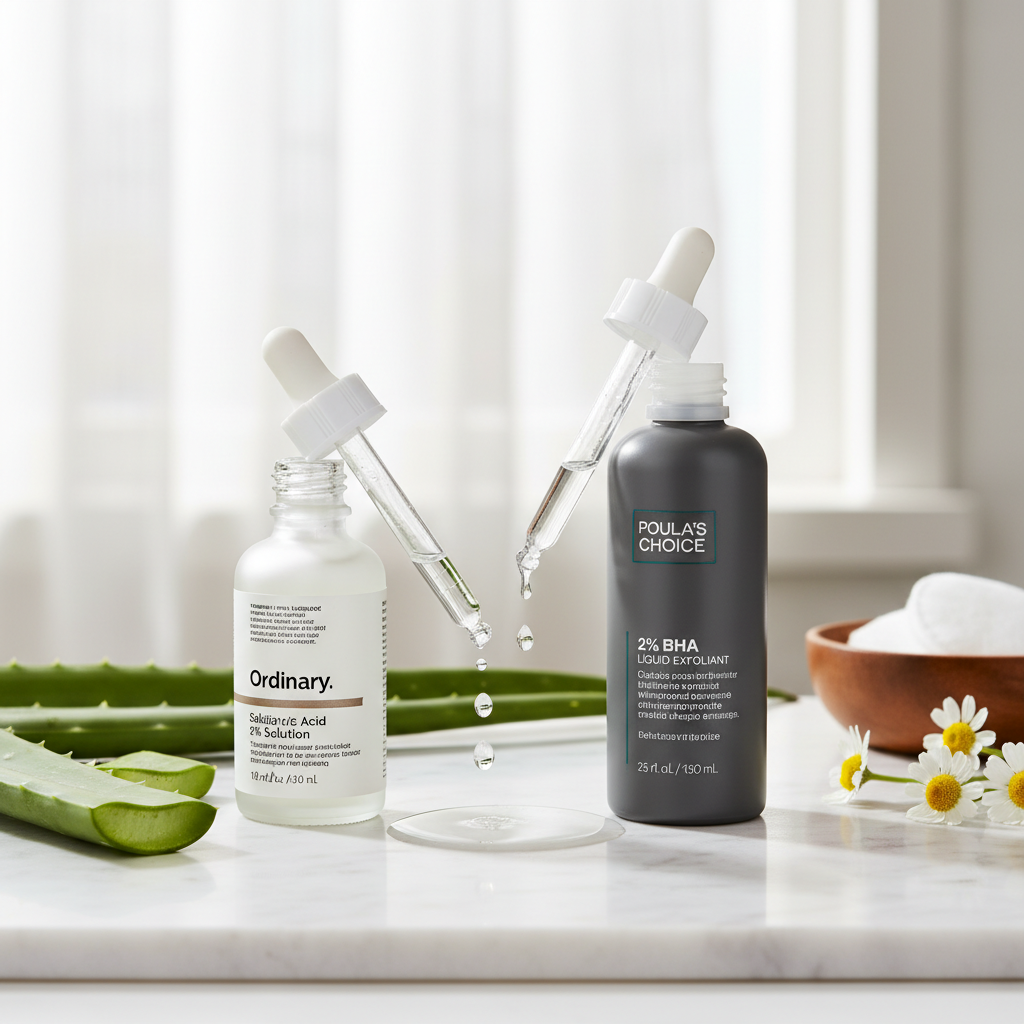
Clearing acne effectively in 2026 requires a comprehensive, holistic strategy that combines evidence-based topical treatments with diligent skin barrier support and attention to internal factors like diet, stress, and sleep. Consistency, patience, and professional guidance when needed are paramount for achieving and maintaining clear, healthy skin.
Introduction
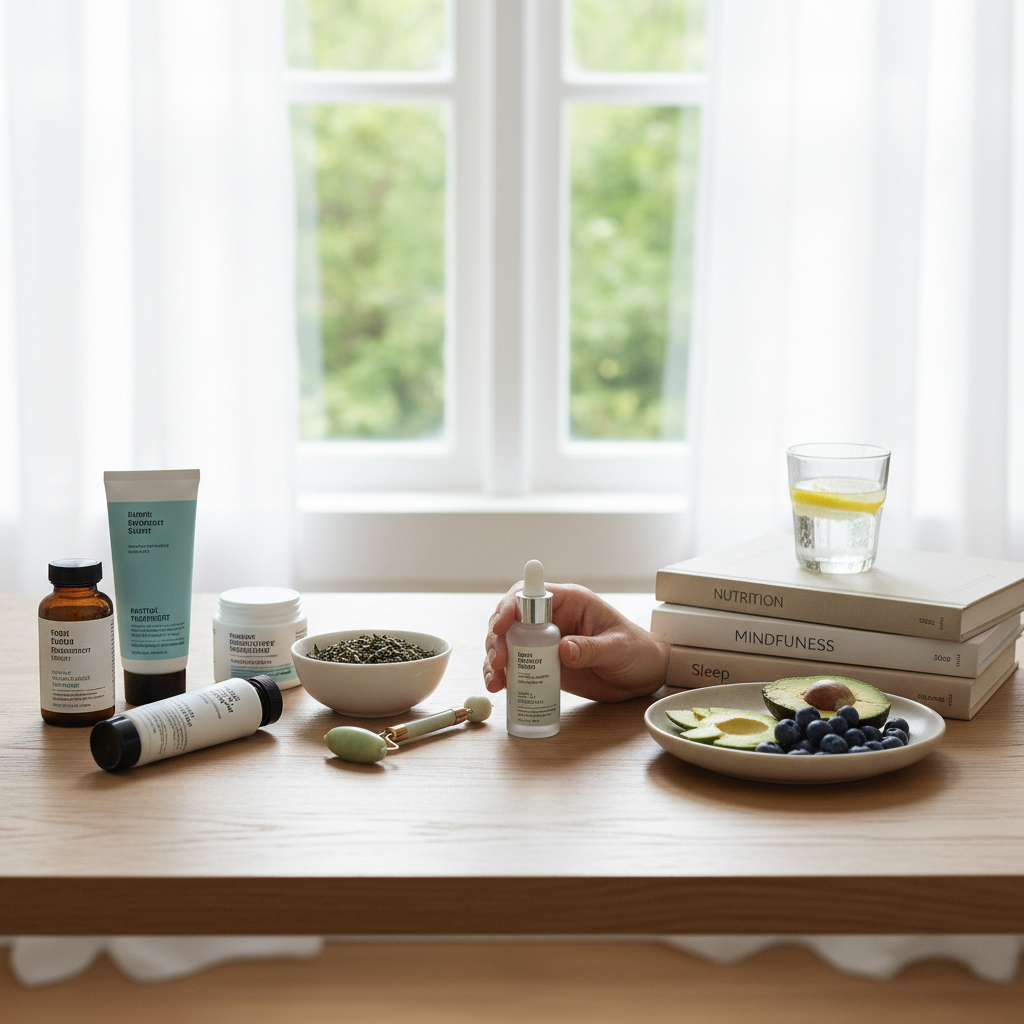
For millions of women across the United States, acne isn’t just a teenage phase; it’s a persistent challenge that can impact confidence and comfort well into adulthood. In 2026, our understanding of acne has evolved beyond simple spot treatments, embracing a holistic perspective that addresses both external symptoms and internal triggers. This guide will equip you with the knowledge to navigate the complex world of acne, offering a clear, expert-backed path to clearer skin.
What Exactly Causes Acne, and Why Does It Persist for Some Women?
Acne is a multifactorial skin condition, meaning several elements contribute to its development. Understanding these root causes is the first step towards effective management:
- Excess Sebum Production: Our sebaceous glands produce oil (sebum). Overactive glands lead to excessive oiliness, creating a prime environment for acne.
- Clogged Pores: A combination of dead skin cells and excess sebum can clog hair follicles, forming blackheads and whiteheads.
- P. acnes Bacteria: Propionibacterium acnes (now often referred to as Cutibacterium acnes) are naturally occurring bacteria on the skin. When pores are clogged, these bacteria multiply rapidly, leading to inflammation and breakouts.
- Inflammation: The body’s immune response to bacteria and clogged pores results in redness, swelling, and painful cysts.
- Hormonal Fluctuations: Androgens (male hormones present in women) can stimulate sebum production. This explains why acne often flares during puberty, menstruation, pregnancy, or conditions like PCOS.
- Genetics: If your parents had acne, you’re more likely to experience it.
- Stress: While stress doesn’t directly cause acne, it can exacerbate existing breakouts by triggering hormonal responses.
- Dietary Factors: Emerging research continues to explore the link between certain foods (e.g., high glycemic index foods, dairy) and acne, particularly for sensitive individuals.
Which Topical Ingredients Genuinely Clear Acne and Support Skin Health?
The skincare market is saturated, but certain active ingredients have stood the test of time and clinical scrutiny. Focus on these:
FDA-Approved Over-the-Counter Actives
- Salicylic Acid (BHA): A beta-hydroxy acid that is oil-soluble, allowing it to penetrate into pores to dissolve sebum and dead skin cells. Excellent for blackheads, whiteheads, and mild inflammatory acne.
- Benzoyl Peroxide: A powerful antibacterial agent that kills acne-causing bacteria and helps shed dead skin cells. Effective for inflammatory acne, but can be drying and irritating, so start with lower concentrations (2.5-5%).
Prescription-Strength & Dermatologist-Recommended Actives
- Retinoids (Retinol, Retinal, Tretinoin, Adapalene): Vitamin A derivatives that accelerate cell turnover, preventing clogged pores and promoting smoother skin.
- Retinol: Over-the-counter, gentler, takes longer to see results.
- Retinal (Retinaldehyde): A newer, more potent over-the-counter retinoid, closer in efficacy to prescription options than retinol. It requires fewer conversion steps in the skin to become retinoic acid.
- Tretinoin (Retinoic Acid): Prescription-only, the most potent retinoid, highly effective for various forms of acne and anti-aging.
- Adapalene: A synthetic retinoid available both OTC (Differin Gel) and by prescription. Known for its excellent tolerability profile while being highly effective against acne.
- Azelaic Acid: A dicarboxylic acid with antibacterial, anti-inflammatory, and exfoliating properties. Great for acne, rosacea, and post-inflammatory hyperpigmentation.
Supportive Actives for a Healthy Skin Barrier
Clearing acne can sometimes be harsh on the skin. Integrating barrier-supporting ingredients is crucial, a key focus in 2026 skincare.
- Niacinamide (Vitamin B3): Reduces inflammation, minimizes pore appearance, improves skin tone, and strengthens the skin barrier. A fantastic all-rounder for acne-prone skin.
- Hyaluronic Acid: A humectant that attracts and holds moisture, providing hydration without clogging pores, essential for counteracting dryness from active treatments.
- Ceramides: Lipids that are natural components of the skin barrier. Replenishing ceramides helps repair and strengthen the barrier, reducing irritation and moisture loss.
- Peptides: Short chains of amino acids that act as building blocks for proteins like collagen and elastin. Certain peptides can support skin repair and reduce inflammation.
- Vitamin C: An antioxidant that brightens skin, reduces hyperpigmentation, and offers some anti-inflammatory benefits. Choose stable forms like L-ascorbic acid or its derivatives.
- AHAs (Alpha Hydroxy Acids): (e.g., Glycolic Acid, Lactic Acid) Water-soluble exfoliants that work on the skin’s surface to remove dead skin cells, improving texture and tone. Best for surface congestion and hyperpigmentation, often used in conjunction with BHAs.
How Do I Build an Effective Acne-Clearing Skincare Routine?
Consistency is key. Here’s a foundational routine:
Morning Routine Essentials
- Gentle Cleanser: Use a mild, pH-balanced cleanser to remove overnight oil and impurities without stripping your skin. Look for “non-comedogenic” formulas.
- Treatment Serum (Optional): If tolerated, a niacinamide serum can help control oil and inflammation, or a Vitamin C serum for antioxidant protection and brightening.
- Moisturizer: A lightweight, non-comedogenic moisturizer to hydrate and support your skin barrier. Even oily skin needs hydration!
- Mineral SPF (Non-Negotiable): This is perhaps the most critical step. Acne treatments increase sun sensitivity, and UV exposure can worsen post-inflammatory hyperpigmentation. Opt for a mineral SPF 30+ containing zinc oxide and/or titanium dioxide, as these are generally less irritating for sensitive and acne-prone skin. Remember to reapply every two hours, especially if active or sweating – a 2026 understanding of sunscreen emphasizes consistent reapplication for true protection.
Evening Routine Essentials
- Double Cleanse (Highly Recommended): First, use an oil-based cleanser or micellar water to break down makeup, sunscreen, and excess oil. Follow with your gentle, water-based cleanser to thoroughly clean the skin.
- Targeted Acne Treatment:
- For mild acne/congestion: A salicylic acid serum or an AHA serum (2-3 times a week).
- For inflammatory acne: A benzoyl peroxide spot treatment or an adapalene gel (OTC).
- For persistent/moderate-severe acne: A prescription retinoid (e.g., tretinoin) or azelaic acid, as advised by your dermatologist.
- Moisturizer: A slightly richer, barrier-supportive moisturizer with ceramides or hyaluronic acid to combat potential dryness and irritation from actives.
Pro Tip for Retinoids: If you’re new to retinoids, start slow. Apply a pea-sized amount 2-3 times a week, gradually increasing frequency as your skin tolerates it. You can also “buffer” by applying moisturizer before or after your retinoid to reduce irritation.
Beyond Topicals: What Internal Factors Influence Acne?
A holistic approach acknowledges that skin health is often a reflection of overall well-being.
- Diet: While not a direct cause for everyone, some individuals find that reducing high glycemic index foods (processed sugars, refined carbs) and certain dairy products can improve their skin. Focus on a balanced diet rich in fruits, vegetables, lean proteins, and healthy fats.
- Stress Management: Chronic stress can trigger hormonal shifts that exacerbate acne. Incorporate stress-reducing activities like yoga, meditation, regular exercise, or spending time in nature.
- Sleep Quality: Adequate sleep is essential for cellular repair and hormone regulation. Aim for 7-9 hours of quality sleep per night.
- Gut Health: The “gut-skin axis” is a growing area of research. A healthy gut microbiome may positively influence skin inflammation. Consider incorporating probiotics through diet or supplements, after consulting with a healthcare provider.
- Hydration: Drinking plenty of water supports overall skin health and function.
Drugstore vs. Prestige: Where Should I Invest My Skincare Dollars?
In the US market, consumers have access to an overwhelming array of products. The good news is that effective acne treatment doesn’t always require a prestige price tag.
- Actives are Key: FDA-approved actives like salicylic acid and benzoyl peroxide are widely available in affordable drugstore formulations (e.g., CeraVe, La Roche-Posay, PanOxyl, The Ordinary). Adapalene gel (Differin) is also a strong OTC option.
- Formulation Matters: While drugstore brands offer great actives, prestige brands often invest more in elegant textures, additional beneficial ingredients (peptides, advanced antioxidants), and delivery systems that enhance penetration or reduce irritation.
- Barrier Support: For cleansers and moisturizers, excellent, gentle, and barrier-supportive options are readily found at drugstores. Look for products with ceramides, hyaluronic acid, and niacinamide.
- Strategic Splurging: Consider investing more in specific treatment serums (e.g., a well-formulated retinal serum) or a broad-spectrum mineral SPF if you struggle to find an affordable one you enjoy wearing daily.
Comparing Common Acne Treatment Product Types
| Product Type / Key Active | Primary Benefit | Best For | Key Considerations |
|---|---|---|---|
| Salicylic Acid Cleanser (e.g., CeraVe Renewing SA Cleanser) | Exfoliates inside pores, dissolves oil | Blackheads, whiteheads, mild congestion, oily skin | Gentle enough for daily use, less irritating than leave-on treatments |
| Benzoyl Peroxide Spot Treatment (e.g., PanOxyl Acne Foaming Wash 10%) | Kills acne bacteria, reduces inflammation | Inflammatory pimples, pustules | Can be drying/bleach fabrics; start with lower concentration (2.5-5%) |
| Retinal Serum (e.g., Medik8 Crystal Retinal, Avene Retrinal) | Accelerates cell turnover, prevents clogged pores, anti-aging | Moderate acne, texture issues, fine lines | Potent OTC option, less irritating than prescription tretinoin; introduce slowly |
| Niacinamide Serum (e.g., The Ordinary Niacinamide 10% + Zinc 1%) | Reduces inflammation, oil production, strengthens barrier | Redness, post-inflammatory hyperpigmentation, general skin health | Excellent supportive ingredient, generally well-tolerated by most skin types |
| Mineral SPF (e.g., EltaMD UV Physical Broad-Spectrum SPF 41) | Protects from UV damage, prevents hyperpigmentation | All skin types, especially sensitive/acne-prone | Crucial daily step, reapply diligently; look for zinc oxide/titanium dioxide |
When Should I See a Dermatologist for My Acne?
While many mild to moderate cases of acne can be managed with consistent OTC routines, there are definite signs it’s time to seek professional help:
- No Improvement: If you’ve consistently used OTC treatments for 8-12 weeks with no significant improvement.
- Cystic or Nodular Acne: Large, painful, deep breakouts that don’t come to a head. These types of acne are difficult to treat at home and carry a high risk of scarring.
- Scarring: If you’re developing ice pick, boxcar, or rolling scars, early intervention is critical to prevent further damage.
- Significant Impact on Quality of Life: If your acne is causing emotional distress, anxiety, or affecting your confidence.
- Sudden Onset of Adult Acne: Especially if accompanied by other symptoms, as it could indicate an underlying hormonal imbalance.
Dermatologists can prescribe stronger topical retinoids, oral medications (antibiotics, isotretinoin, hormonal therapies), and offer in-office procedures like chemical peels or laser treatments for acne and scarring.
Frequently Asked Questions
Can diet really impact my acne?
While diet isn’t the sole cause of acne, emerging research suggests that for some individuals, certain dietary patterns can exacerbate breakouts. High glycemic index foods (like sugary drinks and refined carbs) and some dairy products have been implicated. Focusing on a balanced diet rich in whole foods, antioxidants, and anti-inflammatory ingredients is generally beneficial for overall health, including skin health.
Is ‘skin purging’ normal when starting new treatments?
Yes, especially when introducing active ingredients like retinoids or AHAs/BHAs. Purging occurs as these ingredients accelerate cell turnover, bringing existing microcomedones (clogged pores) to the surface as pimples. It typically lasts 2-6 weeks and should subside as your skin adjusts. True breakouts, however, will continue or worsen beyond this period and may indicate an irritation or sensitivity to the product.
How long does it take to see results from an acne routine?
Patience is crucial. It generally takes at least 4-6 weeks to see initial improvements from new skincare products, and often 8-12 weeks for significant changes. The skin’s cell turnover cycle takes about 28 days, so allow your skin time to respond to the treatments. Consistency, even on days when you don’t feel like it, is key.
What about at-home dermal-grade tools for acne?
In 2026, there’s increased interest in at-home devices. LED light therapy masks (blue light for bacteria, red light for inflammation) can be a gentle adjunctive treatment for some. Microcurrent or high-frequency wands are also popular, but their efficacy for acne is less robustly proven than traditional topicals. Always research devices thoroughly, prioritize safety, and consult a dermatologist before investing, especially for more invasive tools.
Should I pop my pimples?
Resist the urge! Popping pimples, especially deep or cystic ones, can push bacteria further into the skin, leading to increased inflammation, infection, and a higher risk of post-inflammatory hyperpigmentation and permanent scarring. For whiteheads that are truly at a head, gentle extraction by a professional esthetician or dermatologist is the safest approach.
Conclusion
Clearing acne is a journey, not a sprint. By adopting a holistic approach that combines evidence-based topical treatments, a diligently protected skin barrier, and mindful lifestyle choices, US women in 2026 can achieve significant improvements in their skin health. Remember, consistency and patience are your greatest allies, and never hesitate to seek the expertise of a dermatologist for persistent or severe concerns.