For women in the US grappling with acne-prone skin in 2026, the best non-comedogenic moisturizers are formulated with a blend of barrier-supporting ingredients like ceramides and hyaluronic acid, combined with gentle actives such as niacinamide or salicylic acid, ensuring hydration without clogging pores or exacerbating breakouts, regardless of skin type or budget.
Introduction
Navigating the world of skincare can feel like a minefield, especially when you’re battling breakouts and trying to maintain a healthy complexion. For acne-prone skin, the right moisturizer isn’t just a luxury; it’s a necessity, and in 2026, our understanding of skin health has evolved, emphasizing smart, targeted hydration without compromise.
What exactly makes a moisturizer “non-comedogenic” for acne-prone skin in 2026?
The term “non-comedogenic” is a cornerstone for anyone with acne-prone skin, signaling that a product is formulated to avoid clogging pores, which is a primary trigger for acne. In 2026, this designation goes beyond simply omitting known comedogenic ingredients; it reflects a broader understanding of how formulations interact with the skin’s delicate microbiome and barrier function. While not an FDA-regulated term, reputable brands invest in testing to ensure their products live up to this claim, often through human trials or lab assessments that measure pore blockage potential.
For acne-prone individuals, a non-comedogenic moisturizer means peace of mind. Ingredients that are commonly known to be pore-clogging, such as certain heavy oils (like coconut oil or cocoa butter for some skin types), lanolin, or some synthetic esters, are typically excluded. Instead, formulations lean towards lighter, breathable emollients and humectants that provide effective hydration without leaving a heavy residue or creating an occlusive layer that traps sebum and dead skin cells. This focus on “clean” occlusion is critical in preventing new breakouts and supporting an already compromised skin barrier, a key trend in 2026 skincare.
Why is moisturizing crucial even if you have acne-prone skin?
It’s a common misconception that acne-prone skin, especially oily types, doesn’t need moisturizer. Many believe that adding moisture will only make their skin oilier or lead to more breakouts. However, this couldn’t be further from the truth. In fact, skipping moisturizer can often worsen acne and compromise overall skin health.
Acne treatments, whether over-the-counter or prescription-strength, are notorious for their drying and irritating side effects. Ingredients like retinoids (including the increasingly popular retinaldehyde), salicylic acid, and benzoyl peroxide can strip the skin of its natural oils, leading to dryness, redness, flaking, and increased sensitivity. When the skin becomes excessively dry, it can trigger a compensatory mechanism, causing the sebaceous glands to produce even more oil in an attempt to rehydrate, creating a vicious cycle that exacerbates breakouts.
Furthermore, a healthy skin barrier is your first line of defense against environmental aggressors, bacteria, and irritants. When this barrier is compromised by dryness or harsh treatments, it becomes more permeable, allowing irritants to penetrate easily and potentially worsening inflammation and acne. A non-comedogenic moisturizer replenishes essential hydration and lipids, helping to repair and strengthen the skin barrier without introducing pore-clogging ingredients. This not only mitigates the side effects of acne treatments but also creates a more resilient, balanced environment for clearer, healthier skin. Think of it as providing a supportive, healing hug for your skin.
Which key ingredients should I look for (and avoid) in a non-comedogenic moisturizer?
Choosing the right moisturizer means becoming an ingredient detective. In 2026, smart consumers prioritize formulations that are both effective and gentle.
Look For These Beneficial Actives:
- Niacinamide (Vitamin B3): A powerhouse ingredient that helps reduce inflammation, minimize redness, improve skin barrier function, and regulate oil production. It’s excellent for calming acne-prone skin and diminishing post-inflammatory hyperpigmentation.
- Hyaluronic Acid: A potent humectant that draws moisture from the air into the skin, providing intense hydration without feeling heavy or oily. It’s suitable for all skin types, including oily and sensitive.
- Ceramides: Essential lipids that make up a significant portion of the skin barrier. Replenishing ceramides helps to repair and strengthen the barrier, reducing water loss and protecting against irritants.
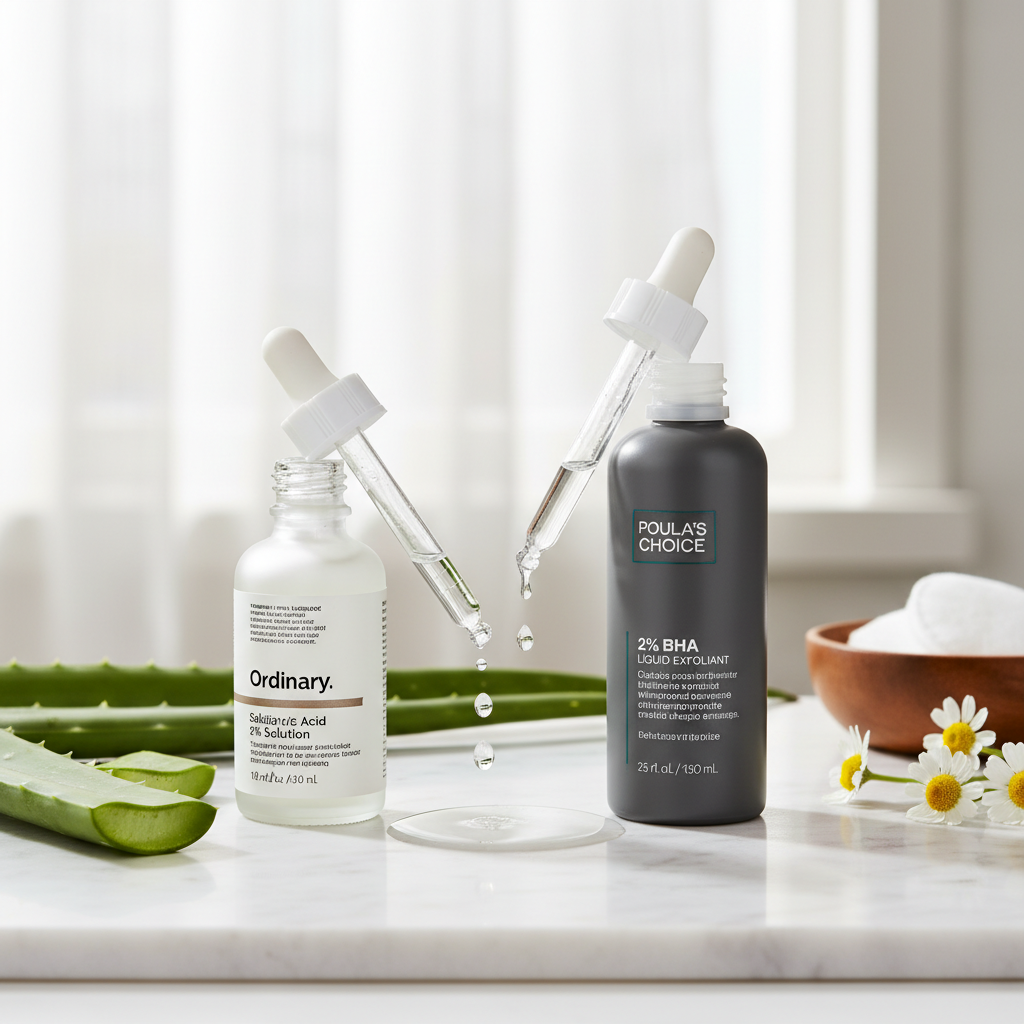
- Salicylic Acid (BHA): A beta-hydroxy acid that is oil-soluble, allowing it to penetrate into pores to exfoliate dead skin cells and dissolve excess sebum. At lower concentrations (0.5-2%), it can be found in moisturizers to provide gentle, continuous pore-clearing benefits.
- Retinol/Retinaldehyde: Vitamin A derivatives that promote cell turnover, reduce hyperpigmentation, and help clear pores. Retinaldehyde (retinal) is a newer, often more potent, and faster-acting form than traditional retinol, gaining popularity in 2026 for its efficacy with potentially less irritation.
- Peptides: Short chains of amino acids that can signal the skin to produce more collagen, improve elasticity, and soothe inflammation. They support overall skin health and can be particularly beneficial for mature, acne-prone skin.
- Vitamin C (Ascorbic Acid): A powerful antioxidant that brightens skin, reduces hyperpigmentation, and protects against environmental damage. Look for stable forms in moisturizers to improve skin tone and texture.
- Mineral SPF (Zinc Oxide, Titanium Dioxide): If your moisturizer includes SPF, mineral filters are often preferred for acne-prone and sensitive skin as they are less likely to cause irritation or clog pores compared to some chemical filters. Sunscreen reapplication science in 2026 emphasizes consistent, gentle protection.
Ingredients to Approach with Caution (or Avoid):
- Heavy Occlusive Oils: While some oils can be beneficial, certain heavier oils like coconut oil, cocoa butter, or even some mineral oils can be highly comedogenic for many acne-prone individuals. Always patch test.
- Fragrance and Dyes: These are common irritants that can trigger sensitivity, redness, and inflammation, especially in already compromised or acne-prone skin. Opt for fragrance-free whenever possible.
- Alcohol Denat (SD Alcohol): Often found in toners or mattifying products, high concentrations can be very drying and irritating, stripping the skin’s barrier and potentially leading to increased oil production.
- Isoparaffin, Petrolatum (in some forms): While petrolatum is generally considered non-comedogenic, some forms or combinations can feel heavy or occlusive for certain acne-prone individuals.
How do drugstore and prestige non-comedogenic moisturizers compare?
The beauty aisle in the US offers a vast spectrum, from accessible drugstore staples to luxurious prestige brands. For non-comedogenic moisturizers, both categories offer excellent options, but their approaches and pricing can differ significantly.
Drugstore Brands: Often lauded for their accessibility and affordability, drugstore brands like CeraVe, La Roche