A healthy skin barrier is your skin’s first line of defense, crucial for retaining moisture and protecting against environmental aggressors. To achieve and maintain it, focus on gentle cleansing, consistent hydration with barrier-supporting ingredients like ceramides and hyaluronic acid, diligent sun protection, and mindful use of active ingredients. This 2026 guide provides 10 essential steps for a resilient, radiant complexion.
Introduction
In 2026, the conversation around skincare has matured, shifting from aggressive treatments to a deep understanding of skin health. At the core of this evolution is the skin barrier – your body’s remarkable natural shield. Far from being a fleeting trend, nurturing your skin barrier is the foundation for virtually every skincare goal, from anti-aging to managing sensitivity. This guide will walk you through 10 essential, evidence-informed steps to cultivate a strong, healthy skin barrier, ensuring your complexion thrives now and in the years to come.
What Exactly Is My Skin Barrier, and Why Does It Matter So Much in 2026?
Imagine your skin as a brick wall. The “bricks” are your skin cells (corneocytes), and the “mortar” is a lipid matrix composed of ceramides, fatty acids, and cholesterol. This is your stratum corneum, the outermost layer of your epidermis, commonly known as your skin barrier. Its primary job is twofold: to keep vital moisture in and harmful irritants, allergens, and pathogens out. In 2026, with increasing awareness of environmental stressors like pollution, and the prevalence of potent active ingredients, understanding and actively supporting this barrier is no longer optional – it’s fundamental to achieving true skin health and resilience against everything modern life throws at it.
How Can I Cleanse My Skin Without Compromising Its Defenses?
Cleansing is the first step in any routine, and it’s also where many inadvertently damage their barrier. Harsh cleansers strip away natural oils, leaving skin feeling “squeaky clean” but vulnerable. For a healthy barrier, the goal is to remove impurities, makeup, and SPF without disrupting the delicate lipid balance. Look for gentle, pH-balanced formulas that are sulfate-free and fragrance-free. Cream, milk, oil, or hydrating gel cleansers are excellent choices for all skin types, including oily and acne-prone skin, which often over-cleanse in an attempt to control oil, exacerbating barrier issues.
Dermatologist Consensus: “A non-stripping cleanser is the cornerstone of a healthy skincare routine. If your skin feels tight after washing, your cleanser is too harsh.”
Which Essential Ingredients Are Key for Hydrating and Strengthening the Barrier?
Once cleansed, replenishing moisture and barrier lipids is paramount. This isn’t just about feeling comfortable; it’s about providing the building blocks your barrier needs to function optimally. In 2026, the focus remains on ingredients that mimic your skin’s natural composition and draw in hydration.
Humectants: The Moisture Magnets
- Hyaluronic Acid: A powerful humectant that attracts and holds up to 1,000 times its weight in water, plumping the skin and improving elasticity.
- Glycerin: Another excellent humectant, often found in combination with hyaluronic acid, that draws moisture from the air into the skin.
Emollients & Occlusives: Sealing the Deal
These ingredients smooth the skin and form a protective layer to prevent trans-epidermal water loss (TEWL).
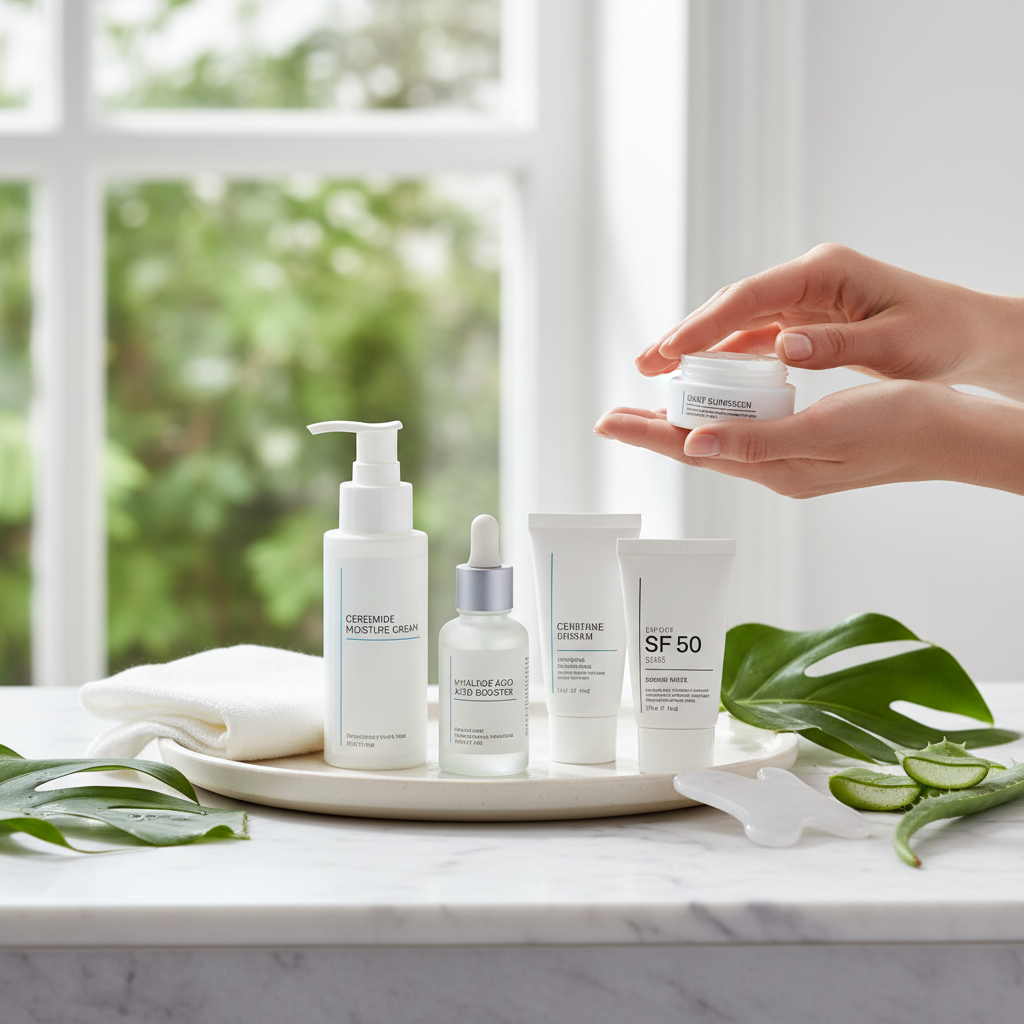
- Ceramides: These are lipids naturally found in the skin barrier, crucial for its structure and function. Topical ceramides help replenish depleted levels, effectively “patching” the mortar of your skin’s brick wall.
- Fatty Acids (e.g., Linoleic Acid, Cholesterol): Essential components of the lipid matrix, working synergistically with ceramides to strengthen the barrier.
- Niacinamide (Vitamin B3): A powerhouse active that helps improve skin barrier function by boosting ceramide production, reducing inflammation, and regulating oil production. It’s a non-negotiable for almost every skin type.
Here’s a comparison of popular barrier-supporting ingredients:
| Ingredient | Primary Benefit for Barrier | Best For Skin Type(s) | How It Works (1-2 sentences) |
|---|---|---|---|
| Ceramides | Structural repair, moisture retention | All, especially dry, sensitive, mature | These lipids are the “mortar” of your skin barrier, helping to bind skin cells together and prevent water loss. Topical application replenishes natural stores. |
| Hyaluronic Acid | Deep hydration, plumping | All, especially dehydrated | A humectant that draws and holds significant moisture from the environment into the skin, improving elasticity and reducing fine lines. |
| Niacinamide | Barrier strengthening, anti-inflammatory | All, especially oily, acne-prone, sensitive | Boosts ceramide synthesis, reduces redness and inflammation, and helps regulate sebum production, leading to a more resilient barrier. |
| Glycerin | Basic hydration, moisture attraction | All | A foundational humectant that pulls water into the outer layer of the skin, providing immediate and lasting hydration. |
How Do I Protect My Skin Barrier from Environmental Stressors and UV Damage?
A strong barrier is your first line of defense, but it needs backup against the relentless assault of UV radiation, pollution, and free radicals. This is where diligent protection comes in.
Sun Protection: Your Non-Negotiable Shield
Daily, year-round sun protection is the single most impactful step for barrier health and overall skin longevity. UV radiation directly degrades collagen, elastin, and lipids, weakening the barrier and accelerating aging. In 2026, the emphasis on reapplication science is stronger than ever. Aim for a broad-spectrum SPF 30 or higher, and reapply every two hours, or immediately after sweating or swimming. Mineral sunscreens containing Zinc Oxide and Titanium Dioxide are often preferred for sensitive skin due to their gentle, physical blocking action.
Antioxidants: Fighting Free Radicals
Pollution and UV exposure generate free radicals that damage skin cells and compromise the barrier. Antioxidants neutralize these harmful molecules.
- Vitamin C (L-Ascorbic Acid): A potent antioxidant that brightens skin, stimulates collagen production, and protects against environmental damage. Use it in the morning to bolster your SPF.
- Vitamin E: Works synergistically with Vitamin C to provide robust antioxidant protection and condition the skin.
What’s the Smartest Way to Incorporate Actives Without Harming My Barrier?
Active ingredients like retinoids and exfoliants are powerful tools for skin renewal, but improper use can quickly compromise your barrier. The key is mindful integration, especially in 2026 when sophisticated at-home tools and potent formulas are readily available.
Retinoids: Renewal, Not Ruin
Retinol and its more potent cousin, Retinal (Retinaldehyde), are gold standards for boosting cell turnover, stimulating collagen, and improving skin texture. However, they can cause irritation if introduced too quickly or used too frequently.
- Start Slow: Begin with a low concentration (e.g., 0.05% Retinal or 0.25% Retinol) 1-2 times a week.
- Buffer: Apply a thin layer of moisturizer before or after your retinoid to minimize irritation.
- Listen to Your Skin: If you experience redness, peeling, or excessive dryness, reduce frequency.
The 2026 trend towards Retinal highlights its efficiency – it’s just one conversion step away from retinoic acid (the active form), making it more potent than retinol but often better tolerated than prescription tretinoin.
Exfoliation: Less is More for Barrier Health
Over-exfoliation is a primary culprit for barrier damage. While exfoliation removes dead skin cells and promotes radiance, excessive use of AHAs and BHAs can strip the skin.
- AHAs (Alpha Hydroxy Acids – Glycolic Acid, Lactic Acid): Exfoliate the skin’s surface, improving tone and texture. Best for dry, mature, or sun-damaged skin.
- BHAs (Beta Hydroxy Acids – Salicylic Acid): Oil-soluble, they penetrate pores to clear congestion, making them ideal for oily and acne-prone skin.
Limit chemical exfoliation to 1-3 times a week, depending on your skin type and other actives in your routine. Physical scrubs are generally discouraged for barrier health due to their potential for micro-tears.
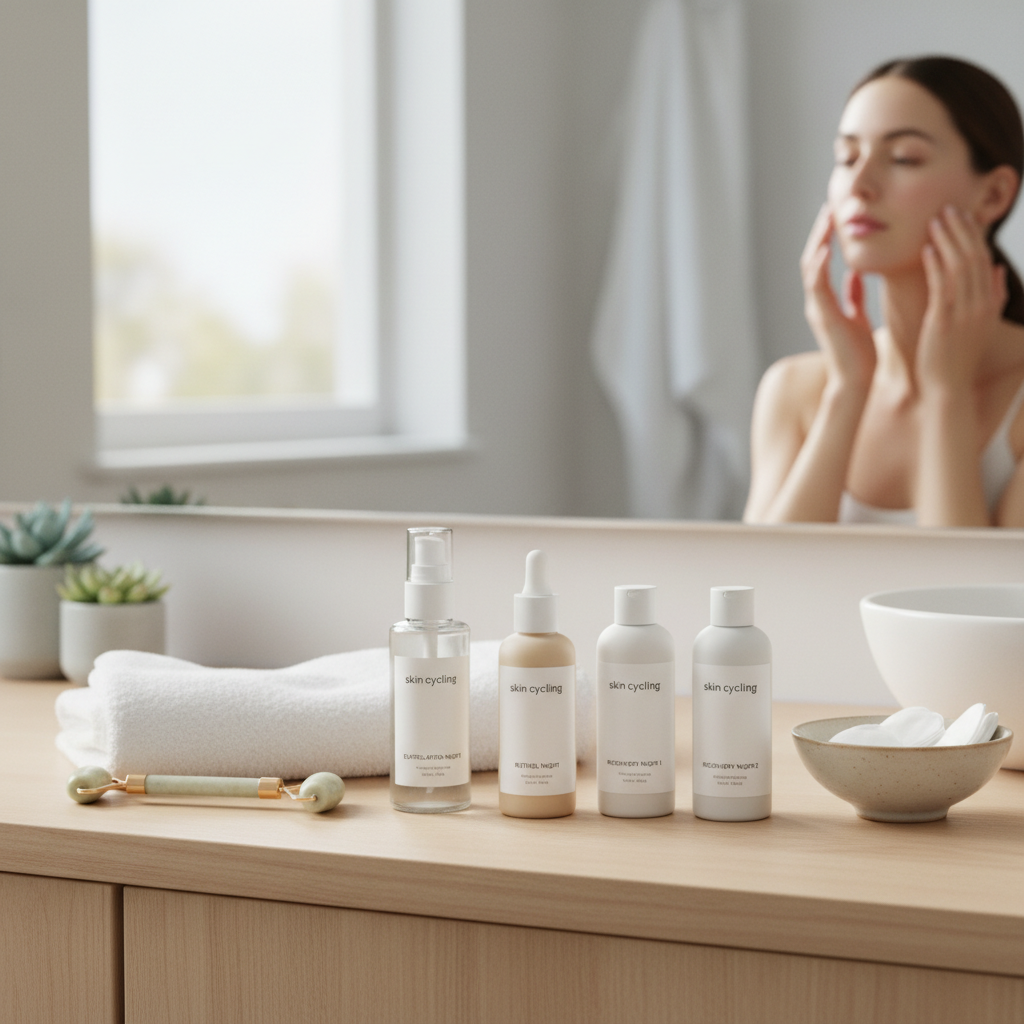
Skin Cycling: This 2026-relevant approach (alternating nights of retinoids, exfoliation, and recovery) is an excellent strategy for incorporating actives while prioritizing barrier repair, allowing your skin ample time to recover and strengthen.
Are There Other Targeted Treatments That Boost Barrier Resilience?
Beyond the core hydrators and protectors, certain targeted ingredients can further enhance your barrier’s strength and overall skin health.
- Peptides: These short chains of amino acids act as messenger molecules, signaling your skin to produce more collagen, elastin, and even barrier lipids. They are excellent for anti-aging and strengthening without irritation.
- Centella Asiatica (Cica): A beloved botanical known for its soothing, healing, and anti-inflammatory properties. It helps calm irritated skin and supports barrier recovery.
- Ectoin: A natural extremolyte, this ingredient protects skin cells from environmental stress (like pollution and blue light) and stabilizes the skin barrier.
When selecting these, look for formulations that are free from common irritants and integrate them gradually into your routine.
Beyond Products: How Do Lifestyle Choices Impact My Skin Barrier?
Skincare isn’t just about what you put on your skin; it’s deeply connected to your overall well-being. Your lifestyle choices significantly influence your skin barrier’s integrity.
- Nutrition: A diet rich in antioxidants (fruits, vegetables), omega-3 fatty acids (fish, flaxseed), and healthy fats supports skin health from within. Hydration through water intake is also crucial.
- Sleep: Adequate, quality sleep (7-9 hours) allows your skin cells to repair and regenerate. Lack of sleep can increase inflammation and impair barrier function.
- Stress Management: Chronic stress elevates cortisol levels, which can trigger inflammation, impair barrier repair, and exacerbate conditions like acne and eczema. Incorporate stress-reducing practices like mindfulness, yoga, or hobbies.
- Humidity Control: In dry environments, consider using a humidifier, especially during winter months, to prevent excessive moisture loss from your skin.
What Common Skincare Habits Should I Avoid to Maintain a Healthy Barrier?
Just as important as what you do for your barrier is what you avoid. Certain habits can quickly undo your efforts and leave your skin vulnerable.
- Over-Exfoliation: As mentioned, using too many exfoliants (AHAs, BHAs, physical scrubs) or using them too frequently will strip your skin’s protective lipids.
- Hot Water: Steaming hot showers or face washing can strip natural oils and dehydrate the skin. Use lukewarm water instead.
- Harsh Cleansers & Toners: Avoid products with high pH, strong foaming agents (like SLS), or high concentrations of drying alcohols (e.g., SD alcohol, alcohol denat), which dissolve beneficial lipids.
- Fragrance & Essential Oils: While they smell pleasant, these can be significant irritants and allergens for many, especially those with sensitive or compromised barriers. Opt for fragrance-free products.
- Skipping SPF: Daily UV exposure, even incidental, slowly but surely degrades your barrier over time.
- Picking & Squeezing: Manipulating breakouts or dry patches physically damages the skin, creating open wounds and impairing the barrier’s healing process.
Signs of a Compromised Skin Barrier:
- Persistent dryness or dehydration
- Unusual sensitivity, stinging, or burning
- Redness and inflammation
- Increased breakouts or new acne
- Rough or flaky texture
- Slow wound healing
Frequently Asked Questions
Can I really repair my skin barrier, or is the damage permanent?
Absolutely, you can repair your skin barrier! The skin is incredibly resilient. With consistent gentle care, the right ingredients (like ceramides, hyaluronic acid, niacinamide), and avoidance of irritants, your skin barrier can significantly recover and strengthen. It requires patience and consistency, but the results are well worth it.
How long does it typically take to repair a damaged skin barrier?
The timeline varies depending on the extent of the damage and individual skin regeneration rates. Minor irritation might resolve in a few days to a week. For more significant damage, such as from over-exfoliation or a harsh reaction, it could take anywhere from 2 weeks to