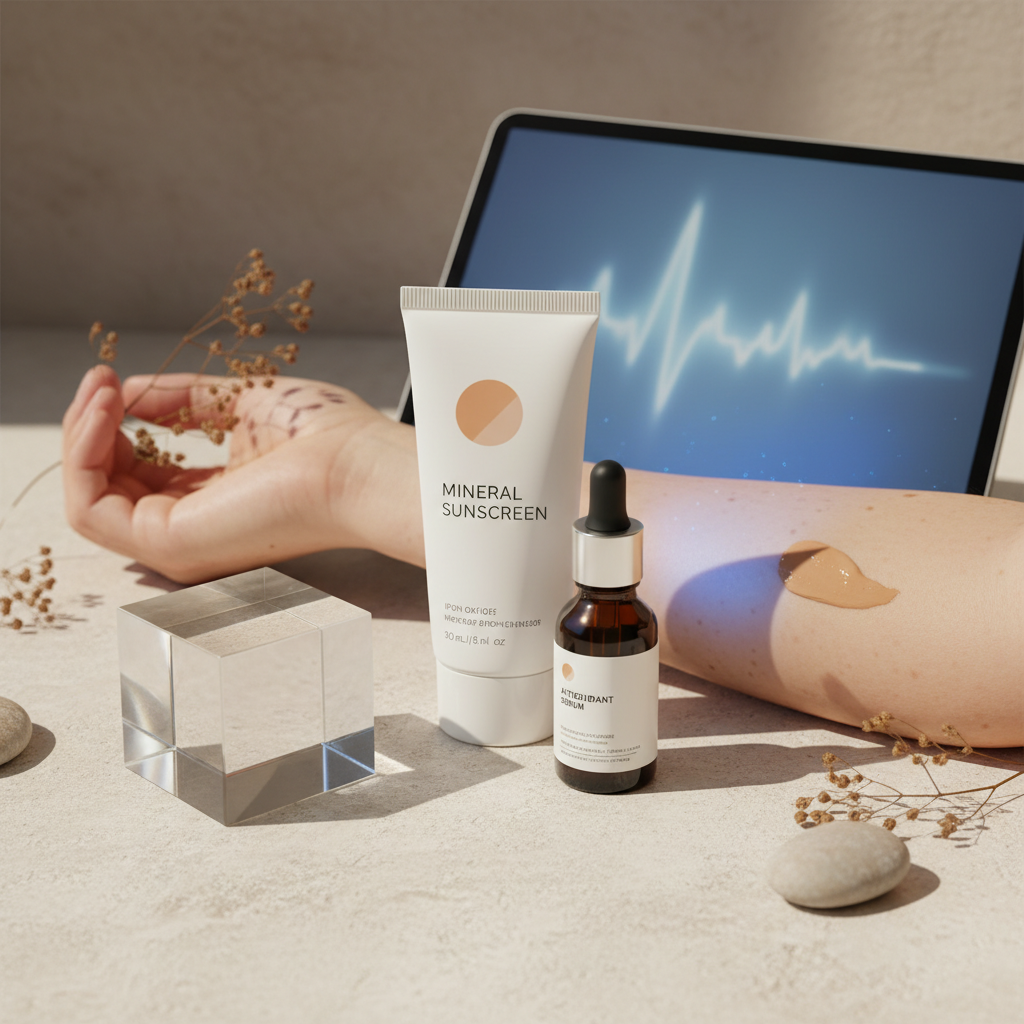
Antioxidants are essential skincare ingredients that actively protect your skin from environmental damage and oxidative stress, which are primary drivers of premature aging. By neutralizing harmful free radicals, they help maintain skin’s collagen, elasticity, and overall youthful appearance, making them a cornerstone of any effective anti-aging regimen.
Introduction
In the evolving landscape of skincare, where new ingredients and technologies emerge constantly, one category consistently holds its ground as a non-negotiable for lasting skin health and youthfulness: antioxidants. As we navigate 2026, the science behind these protective powerhouses is clearer than ever, positioning them as your skin’s vital shield against the daily onslaught of environmental aggressors.
What exactly are antioxidants and why are they crucial for skin health?
At its core, an antioxidant is a molecule capable of inhibiting the oxidation of other molecules. In the context of your skin, this translates to a powerful defense against what scientists call “free radicals.” Free radicals are unstable molecules generated by various environmental factors like UV radiation, pollution, cigarette smoke, and even stress. These rogue molecules seek to stabilize themselves by stealing electrons from healthy skin cells, a process known as oxidative stress. This cellular damage breaks down collagen and elastin, disrupts DNA, and impairs the skin barrier, leading directly to visible signs of premature aging such as fine lines, wrinkles, hyperpigmentation, uneven tone, and a loss of firmness.
Antioxidants step in as the unsung heroes, generously donating an electron to stabilize free radicals without becoming unstable themselves. This effectively neutralizes their harmful effects, preventing the cascade of damage that accelerates aging. Think of them as tiny bodyguards for your skin cells, constantly intercepting threats before they can cause harm. Beyond their protective role, many antioxidants also offer additional benefits, from brightening and evening skin tone to reducing inflammation and boosting collagen production, making them multi-tasking champions in your skincare arsenal.
Which antioxidant powerhouses should I look for in my skincare?
The world of antioxidants is vast, but some stand out for their proven efficacy and versatility in anti-aging skincare. Understanding their unique strengths can help you build a more targeted and effective routine.
Vitamin C (L-Ascorbic Acid & Derivatives)
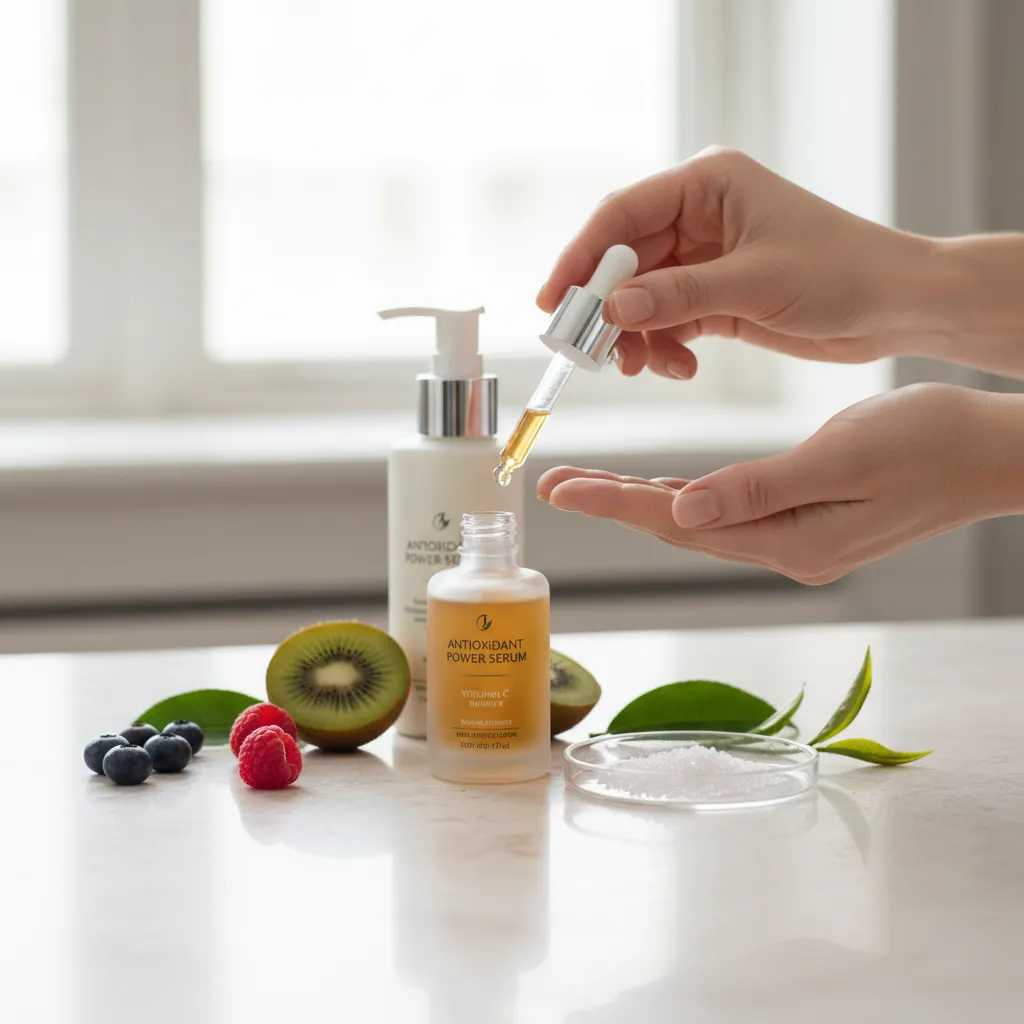
Often considered the gold standard, Vitamin C is a potent antioxidant that neutralizes free radicals, boosts collagen synthesis for firmer skin, and brightens hyperpigmentation. L-Ascorbic Acid is the most biologically active form, while derivatives like Ascorbyl Tetraisopalmitate or Magnesium Ascorbyl Phosphate offer greater stability, especially for sensitive skin. It’s best used in the morning to leverage its photoprotective benefits.
Vitamin E (Tocopherol)
A fat-soluble antioxidant, Vitamin E works synergistically with Vitamin C, enhancing its stability and efficacy. It’s excellent for strengthening the skin barrier, providing hydration, and offering additional protection against UV damage. You’ll often find it paired with Vitamin C and Ferulic Acid in comprehensive antioxidant serums.
Ferulic Acid
This plant-derived antioxidant is a game-changer when combined with Vitamins C and E. It not only provides its own antioxidant benefits but also stabilizes and boosts the photoprotective effects of the other two, making the trio a formidable defense against environmental damage.
Niacinamide (Vitamin B3)
While not a direct antioxidant in the same vein as Vitamin C, Niacinamide is a powerful cell-communicating ingredient that supports the skin’s natural antioxidant systems. It improves skin barrier function, reduces inflammation, minimizes pore appearance, and evens skin tone, indirectly contributing to an anti-aging regimen by creating a healthier, more resilient skin environment.
Retinoids (Retinol, Retinal)
Though primarily known for their incredible cell turnover and collagen-boosting abilities, retinoids (like retinol and the increasingly popular retinaldehyde, or “retinal”) also possess antioxidant properties. They help scavenge free radicals and repair existing damage, making them a cornerstone of any comprehensive anti-aging strategy. Retinal, a more potent precursor to retinoic acid than retinol, offers quicker results with potentially less irritation for some users.
Green Tea Extract (EGCG)
Rich in polyphenols, particularly epigallocatechin gallate (EGCG), green tea extract is a powerful anti-inflammatory and antioxidant. It helps soothe irritated skin, reduce redness, and protect against UV-induced damage, making it ideal for sensitive or redness-prone skin types.
Resveratrol
Found in grapes and berries, Resveratrol is a potent polyphenol antioxidant known for its anti-aging and anti-inflammatory properties. It helps protect cellular DNA and can extend cell lifespan, contributing to a more youthful complexion.
Coenzyme Q10 (Ubiquinone)
Naturally present in skin cells, CoQ10 is vital for energy production and acts as a strong antioxidant, especially against UV-induced free radicals. Its levels decrease with age, so topical application can help replenish this crucial protector and improve skin elasticity.
Peptides
While not primarily antioxidants, certain peptides (chains of amino acids) can have antioxidant properties. More commonly, they signal the skin to produce more collagen, elastin, and other vital proteins, or inhibit enzymes that break them down, working synergistically with antioxidants to repair and rejuvenate.
How can I effectively integrate antioxidants into my daily skincare routine?
Strategic application is key to maximizing the benefits of antioxidants. A well-designed routine ensures your skin receives consistent protection and support throughout the day and night.
- Morning Ritual: The Antioxidant & SPF Shield: Start your day by layering a Vitamin C serum (or a blend like C+E Ferulic) onto clean, dry skin. This provides a crucial first line of defense against environmental aggressors like pollution and UV radiation. Follow with a broad-spectrum mineral SPF of 30 or higher. Mineral sunscreens (zinc oxide, titanium dioxide) offer immediate broad-spectrum protection, physically blocking UV rays, and their reapplication science has evolved to emphasize diligent, thorough coverage throughout the day, especially if you’re outdoors.
- Evening Repair: Retinoids & Barrier Support: In the evening, after cleansing, apply your chosen retinoid (retinol or retinal). This is when your skin’s repair processes are most active. Follow with a moisturizer rich in ceramides and hyaluronic acid to support your skin barrier, hydrate, and mitigate potential dryness from retinoids.
- Layering Logic: Always apply products from thinnest to thickest consistency. Serums typically go first, followed by moisturizers, and then SPF in the morning.
- Consistent Barrier Focus: A healthy skin barrier is your first defense against environmental damage. Ensure your routine includes barrier-supporting ingredients like ceramides, fatty acids, and cholesterol, especially if you’re using potent actives.
- Dermal-Grade At-Home Tools: If you’re incorporating at-home tools like LED masks or microcurrent devices, apply your antioxidant serums beforehand to enhance absorption, but always follow manufacturer instructions regarding product compatibility.
What’s the difference between drugstore and prestige antioxidant formulations?
The market offers a vast array of antioxidant products, ranging from affordable drugstore options to high-end prestige brands. While both categories can deliver effective results, there are often distinctions in formulation, delivery systems, and overall user experience.
Drugstore Brands: Accessible and often very effective, drugstore brands like Olay, L’Oréal, or CeraVe have made significant strides in incorporating stable and potent antioxidants. They focus on proven, FDA-approved actives and often deliver excellent value. You can find robust Vitamin C serums, niacinamide treatments, and retinol creams that offer substantial benefits without breaking the bank. The consensus among dermatologists is that effective skincare doesn’t have to be expensive; consistency with well-formulated actives is key.
Prestige Brands: Brands such as SkinCeuticals, Paula’s Choice, or Drunk Elephant often invest heavily in research and development, leading to innovative delivery systems (e.g., encapsulated retinol for enhanced stability), higher concentrations of specific actives, and unique ingredient blends that target multiple concerns simultaneously. They may also use more elegant textures, sophisticated packaging, and sensory experiences. While these products can be more expensive, their advanced formulations may offer enhanced penetration, stability, or reduced irritation, justifying the price point for some users. However, it’s crucial to look beyond hype and evaluate the actual ingredient list and scientific backing.
Ultimately, the “best” choice depends on individual skin needs, budget, and preferences. Both categories offer excellent options, and a smart strategy often involves mixing and matching based on active ingredients and formulation quality.
How do antioxidants work with other key anti-aging ingredients?
Antioxidants are team players, often enhancing the efficacy of other anti-aging ingredients. Understanding these synergies can optimize your routine.
- Antioxidants + SPF: This is the ultimate power couple. While SPF physically blocks or scatters UV rays, antioxidants neutralize the free radicals that inevitably get through, offering comprehensive protection.
- Antioxidants + Retinoids: A perfect complementary pair. Use antioxidants like Vitamin C in the morning for daytime protection, and retinoids in the evening to stimulate cell turnover and collagen production. This ensures 24/7 anti-aging care.
- Antioxidants + AHAs/BHAs: These exfoliants remove dead skin cells, allowing antioxidants to penetrate more effectively. However, it’s often best to use them at different times (e.g., AHAs/BHAs a few nights a week, antioxidants daily) to avoid potential irritation, especially for sensitive skin.
- Antioxidants + Hyaluronic Acid/Ceramides: While HA and Ceramides focus on hydration and barrier repair, a healthy, well-hydrated skin barrier is crucial for antioxidants to perform optimally and for overall skin resilience. They create a supportive environment.
- Antioxidants + Peptides: Many peptides focus on signaling collagen production or relaxing wrinkles. Antioxidants protect this new collagen from degradation, ensuring the long-term benefits of peptide treatments.
Comparing Top Antioxidant Actives for Anti-Aging
| Antioxidant Active | Key Anti-Aging Benefits | Best For Skin Type | Optimal Usage Time |
|---|---|---|---|
| Vitamin C (L-Ascorbic Acid) | Potent free radical neutralization, collagen synthesis, brightening, hyperpigmentation reduction. | Most skin types (sensitive may prefer derivatives). | Morning (under SPF). |
| Vitamin E (Tocopherol) | Synergistic with Vitamin C, strengthens skin barrier, moisturizes, protects cell membranes. | Dry, mature, sensitive (often paired with C). | Morning (under SPF), or evening. |
| Ferulic Acid | Enhances stability and efficacy of C & E, broad-spectrum UV protection. | All skin types. | Morning (with C & E). |
| Niacinamide (Vitamin B3) | Supports barrier function, reduces inflammation, minimizes pores, evens tone, boosts natural antioxidants. | All skin types, especially oily, sensitive, acne-prone. | Morning and/or evening. |
| Green Tea Extract (EGCG) | Anti-inflammatory, soothes redness, protects against UV damage, potent antioxidant. | Sensitive, redness-prone, acne-prone. | Morning and/or evening. |
Frequently Asked Questions
Can I use multiple antioxidant serums at once?
Yes, you absolutely can, and often should! Many antioxidants work synergistically, meaning they enhance each other’s effects. For instance, a Vitamin C, E, and Ferulic Acid serum is a classic, highly effective combination. However, introducing new products one at a time can help you monitor your skin’s reaction, especially if you have sensitive skin.
How long does it take to see results from antioxidants?
While the protective benefits of antioxidants begin immediately by neutralizing free radicals, visible improvements in skin tone, texture, and brightness typically take consistent use over 4-8 weeks. Collagen-boosting effects and reduction in fine lines may take 3-6 months or longer, as cellular repair and regeneration are gradual processes.
Are there any side effects to using antioxidants?
Most antioxidants are well-tolerated. However, highly concentrated forms, particularly L-Ascorbic Acid (Vitamin C), can cause mild tingling, redness, or dryness, especially when first introduced. Always patch test new products and start with lower concentrations if you have sensitive skin. If irritation persists, consult a dermatologist.
Do antioxidants work for all skin types, including sensitive?
Yes, antioxidants are beneficial for all skin types. For sensitive skin, look for gentler forms like Vitamin C derivatives (e.g., Magnesium Ascorbyl Phosphate), Niacinamide, or Green Tea Extract. Always choose formulations free of common irritants like harsh fragrances or alcohol, and introduce new products slowly.
Is it better to get antioxidants from food or skincare?
Both are crucial! A diet rich in fruits, vegetables, and whole grains provides systemic antioxidant protection for your entire body, including your skin from within. Topical skincare, however, delivers a concentrated dose directly to the skin’s surface, where it can specifically combat environmental damage and support localized repair processes. For optimal skin health, integrate both a healthy diet and a targeted antioxidant skincare routine.
Conclusion
Antioxidants are far more than a trend; they are a fundamental pillar of effective anti-aging skincare. By consistently incorporating these protective ingredients into your daily routine, you empower your skin to defend itself against environmental damage, preserve its youthful vitality, and maintain a radiant, healthy complexion well into the future. Embrace the shield, and let your skin thrive.