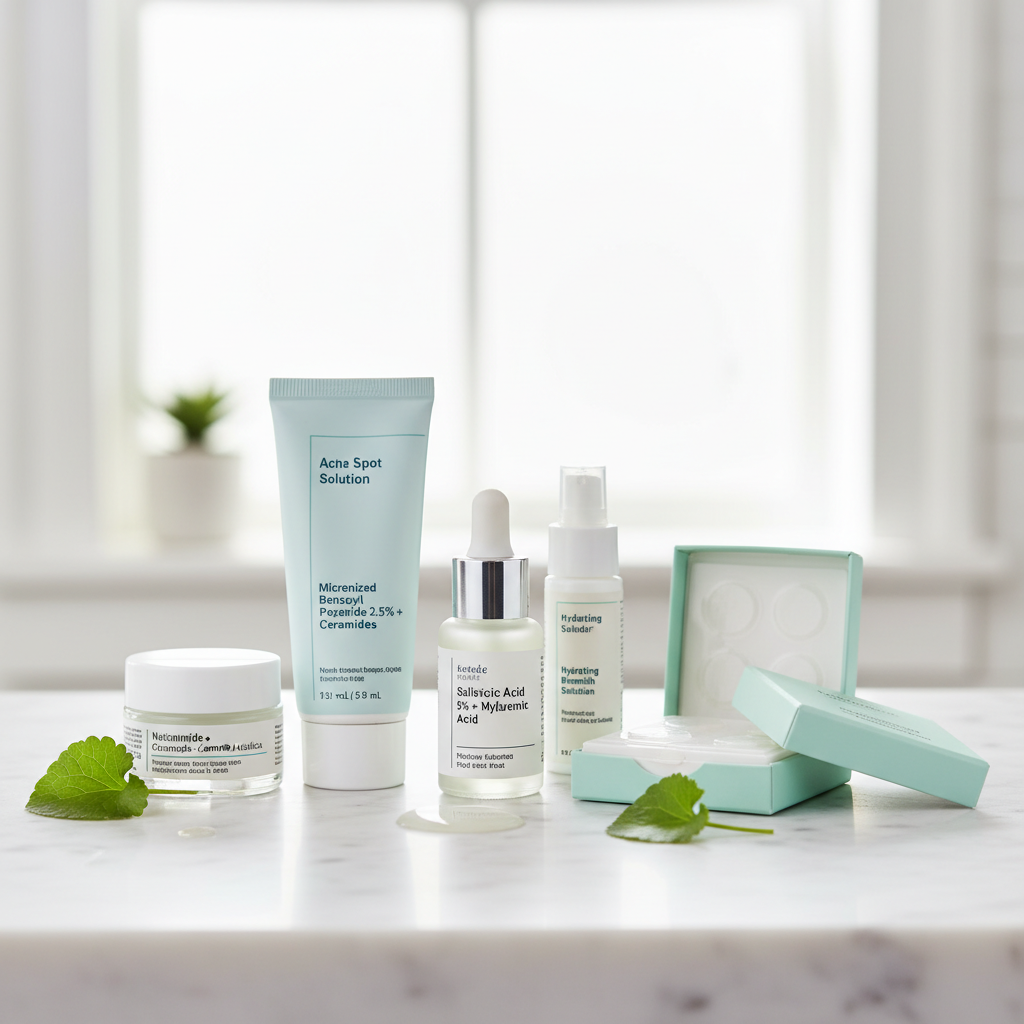
For overnight acne relief without drying skin, look for spot treatments featuring a balanced combination of FDA-approved actives like salicylic acid (2%) or micronized benzoyl peroxide (2.5-5%), paired with hydrating and soothing ingredients such as hyaluronic acid, niacinamide, ceramides, or centella asiatica. Hydrocolloid patches are also excellent for creating a moist healing environment while protecting the skin barrier.
Introduction
Waking up to a new breakout is frustrating, but the equally frustrating aftermath of an overly aggressive spot treatment—dryness, flaking, and irritation—can feel like a double punishment. In 2026, the focus has shifted dramatically from simply “drying out” a pimple to intelligently treating it while preserving the skin’s vital barrier. This guide will help you navigate the best overnight spot treatments that effectively tackle blemishes without leaving your skin parched and compromised.
What Ingredients Truly Deliver Overnight Acne Relief Without Stripping Skin?
The landscape of acne treatment has evolved, moving beyond harsh, one-size-fits-all solutions. Today, effective spot treatments combine potent actives with skin-loving hydrators and soothers to ensure targeted relief without collateral damage to your skin barrier.
Salicylic Acid (BHA)
Salicylic acid, a beta-hydroxy acid (BHA), is oil-soluble, allowing it to penetrate deep into pores to dissolve sebum and dead skin cells. This makes it particularly effective for blackheads, whiteheads, and inflamed pimples. When formulated correctly, typically at 0.5-2%, it offers gentle exfoliation and anti-inflammatory benefits, minimizing irritation compared to some other actives.
Benzoyl Peroxide
Benzoyl peroxide is a powerful antibacterial agent that targets the P. acnes bacteria, a primary contributor to inflammatory acne. It also helps to shed dead skin cells, preventing pore blockages. Newer formulations often use micronized benzoyl peroxide or lower concentrations (2.5-5%) to reduce the potential for dryness and irritation, making it more tolerable for overnight use.
Sulfur
A time-tested ingredient, sulfur works as a mild keratolytic (exfoliating) and antibacterial agent. It helps to absorb excess oil and dry out surface blemishes. While it can be drying in higher concentrations, many modern sulfur-based spot treatments incorporate emollients to mitigate this effect, making them suitable for overnight application on specific spots.
Azelaic Acid
Often overlooked, azelaic acid is a fantastic multi-tasker for acne-prone skin. It offers antibacterial properties, reduces inflammation, and helps to normalize keratinization (the process of skin cell turnover), preventing clogged pores. It’s also known for its ability to reduce post-inflammatory hyperpigmentation (PIH) and is generally well-tolerated, even by sensitive skin types.
Niacinamide (Vitamin B3)
While not a direct “spot treatment” in the traditional sense, niacinamide is a powerhouse ingredient frequently found in acne-focused formulations. It helps to reduce inflammation, minimize redness, regulate oil production, and strengthen the skin barrier. Its inclusion in a spot treatment can significantly reduce irritation and support overall skin health while other actives do the heavy lifting.
Hydrocolloid Patches
These discreet, adhesive patches are a game-changer for overnight acne relief. They work by absorbing fluid and pus from a pimple, creating a moist healing environment that prevents scabbing and helps the blemish flatten and heal faster. Crucially, they also act as a physical barrier, protecting the spot from external bacteria and discouraging picking, all without drying the surrounding skin.
How Do Traditional Spot Treatments Compare to Newer, Barrier-Friendly Options?
The shift in skincare philosophy from aggressive “attack and dry” tactics to a more holistic, skin barrier-first approach is evident in today’s spot treatments. Older formulations often relied on high concentrations of drying alcohols or potent actives without much thought for accompanying hydrators, leading to a cycle of dryness, irritation, and even compromised barrier function, which can paradoxically worsen acne.
Newer, barrier-friendly options prioritize efficacy alongside skin health. They often feature:
- Lower, optimized concentrations of actives: Achieving results with less irritation.
- Inclusion of humectants and emollients: Ingredients like hyaluronic acid, glycerin, ceramides, squalane, or panthenol are added to counteract potential dryness.
- Anti-inflammatory botanicals: Centella Asiatica (Cica), green tea extract, or licorice root can calm redness and irritation.
- Gentle delivery systems: Encapsulated actives or slow-release formulations minimize sudden onslaughts to the skin.
- pH-balanced formulas: Maintaining the skin’s natural acidic pH is crucial for barrier integrity.
This balanced approach means you can effectively target a breakout without disrupting the delicate ecosystem of your skin, leading to faster healing and less post-inflammatory hyperpigmentation.
Which Spot Treatment is Best for My Specific Skin Type?
Matching your spot treatment to your skin type is key to achieving results without unwanted side effects. What works wonders for oily skin might be too harsh for sensitive or dry complexions.
Oily and Combination Skin
These skin types often tolerate stronger actives. Salicylic acid (1-2%) is excellent for deep pore cleansing and oil control. Benzoyl peroxide (2.5-5%) can be very effective for inflammatory acne. Look for gel or lightweight cream textures. Hydrocolloid patches are also universally good for all skin types, including oily, for managing individual breakouts.
Dry Skin
For dry skin, avoiding excessive drying is paramount. Opt for salicylic acid formulations that include hydrating ingredients like hyaluronic acid or ceramides. Azelaic acid is also a good choice due to its gentler nature and anti-inflammatory benefits. Benzoyl peroxide should be used sparingly and in lower concentrations (2.5%), perhaps as a “short contact therapy” rather than overnight leave-on, or specifically formulated with intense hydrators. Hydrocolloid patches are ideal as they don’t add dryness.
Sensitive Skin
Sensitive skin requires a gentle touch. Azelaic acid is often well-tolerated. Niacinamide-rich formulas can help calm redness and inflammation. Sulfur can be an option if formulated with soothing ingredients. Always patch test new products. Hydrocolloid patches are often the safest bet for sensitive skin, as they are non-irritating and protect the skin. Avoid high concentrations of benzoyl peroxide or salicylic acid, especially those with alcohol.
Mature Skin
Mature skin, even if acne-prone, tends to be drier and less resilient. Focus on treatments that support skin health and hydration. Azelaic acid, gentle salicylic acid formulations with hydrators, and niacinamide are excellent choices. Retinal (retinaldehyde), a more potent but often better-tolerated form of Vitamin A than traditional retinol, can also be beneficial for both acne and anti-aging concerns when incorporated into a broader routine, but as a spot treatment, stick to targeted, non-drying options. Hydrocolloid patches are also very suitable.
Are Drugstore Spot Treatments as Effective as Prestige Brands?
Absolutely. In many cases, drugstore spot treatments are just as, if not more, effective than their prestige counterparts, especially when it comes to addressing acne. The FDA-approved active ingredients like salicylic acid and benzoyl peroxide are standardized, meaning their efficacy doesn’t inherently change based on brand prestige or price point.
What you often pay for with prestige brands might be:
- Elegant formulations: Better textures, less visible residue, or more pleasant scents.
- Unique delivery systems: Though often these technologies eventually trickle down to mass market.
- Proprietary blends of botanicals: While some can be beneficial, their primary role is often soothing or enhancing the “experience” rather than directly treating the acne in a way FDA-approved actives do.
- Marketing and packaging: A significant portion of the cost.
Dermatologists frequently recommend accessible drugstore options because they contain proven, effective ingredients at concentrations known to work. Always check the ingredient list and active percentages, regardless of whether you’re shopping at a pharmacy or a high-end beauty store. The focus should be on the science-backed ingredients and their formulation rather than the brand name alone.
What’s the Role of Emerging Ingredients in 2026 for Acne?
The skincare landscape is constantly evolving, and 2026 sees continued emphasis on ingredients that not only treat but also protect and restore the skin’s natural defenses.
Skin Barrier Support
The understanding that a healthy skin barrier is fundamental to clear skin has never been stronger. Ingredients like ceramides, hyaluronic acid, and cholesterol are increasingly integrated into acne treatments to prevent dryness and irritation, fostering a resilient skin environment that is less prone to breakouts and inflammation.
Postbiotics
Building on the microbiome trend, postbiotics (beneficial compounds produced by probiotics) are gaining traction. These can help to balance the skin’s microflora, reduce inflammation, and strengthen the barrier, offering a promising, gentle approach to managing acne and improving skin health without introducing live bacteria.
Retinal (Retinaldehyde)
While retinol has been a long-standing hero for acne and anti-aging, retinaldehyde (retinal) is emerging as a more potent yet often better-tolerated retinoid. It converts to retinoic acid in just one step (compared to retinol’s two), making it faster-acting while potentially causing less irritation than prescription tretinoin. While not typically a “spot treatment” for overnight use on a single pimple, its inclusion in an overall anti-acne routine helps prevent future breakouts and improve skin texture.
Comparing Overnight Spot Treatment Actives
Choosing the right active ingredient for your overnight spot treatment depends on your acne type and skin sensitivity. Here’s a comparison of common options:
| Active Ingredient | Primary Mechanism | Best For | Potential for Dryness | Notes for Overnight Use |
|---|---|---|---|---|
| Salicylic Acid (BHA) | Exfoliates inside pores, dissolves oil & dead skin cells. | Blackheads, whiteheads, mild inflammatory acne. | Low to Moderate (depending on concentration/formulation) | Look for 1-2% in hydrating gels/creams. Good for consistent use. |
| Benzoyl Peroxide | Kills acne-causing bacteria, mild exfoliant. | Inflammatory acne (red, pus-filled pimples). | Moderate to High (can bleach fabrics) | Start with 2.5%, use sparingly on individual spots. Ensure hydrators are present. |
| Sulfur | Absorbs oil, mild antibacterial, keratolytic. | Surface blemishes, whiteheads. | Moderate (can be drying) | Often combined with other actives. Look for soothing additions. |
| Azelaic Acid | Antibacterial, anti-inflammatory, reduces redness, normalizes cell turnover. | Inflammatory acne, redness, post-inflammatory hyperpigmentation. | Low (generally well-tolerated) | Excellent for sensitive skin; often helps with PIH over time. |
| Hydrocolloid Patches | Absorbs fluid, creates moist healing environment, protects. | All types of active pimples, especially those with pus. | None (actually prevents dryness) | Physical barrier, prevents picking. Best for individual, popped or unpopped pimples. |
Your Overnight Non-Drying Spot Treatment Routine
To maximize the effectiveness of your spot treatment while safeguarding your skin, follow these steps:
- Cleanse Gently: Use a mild, hydrating cleanser to remove makeup, dirt, and oil without stripping your skin. Avoid harsh scrubbing.
- Apply Serums (Optional): If you use hydrating or barrier-supporting serums (like hyaluronic acid or niacinamide), apply them to your entire face before your spot treatment.
- Target Your Spot Treatment: Apply a thin layer of your chosen spot treatment directly onto the blemish. Less is more; avoid slathering it over unaffected areas, especially with stronger actives. If using a hydrocolloid patch, apply it to clean, dry skin after cleansing and before other skincare.
- Moisturize Your Entire Face: After the spot treatment has had a moment to absorb (if applicable), apply a non-comedogenic moisturizer to your entire face. This step is crucial for maintaining overall skin hydration and barrier function, preventing dryness from the spot treatment.
- Sleep: Let your products work their magic overnight. Avoid touching or picking at the treated area.
- Morning After: Gently cleanse your face. Assess the spot. If it’s still present, reapply your spot treatment, or consider a different approach if no improvement is seen after a few days. Always follow with a broad-spectrum mineral SPF 30+ to protect healing skin and prevent post-inflammatory hyperpigmentation.
Frequently Asked Questions
Can I use multiple spot treatments at once?
Generally, it’s not recommended to layer multiple active spot treatments on the same area, especially overnight. This significantly increases the risk of irritation, dryness, and redness. Stick to one targeted spot treatment per blemish. If you want to use different actives, consider alternating them on different nights or using them on entirely separate blemishes if you have multiple issues across your face.
How long does it take for an overnight spot treatment to work?
While many treatments promise “overnight relief,” the degree of improvement can vary. You might see a reduction in redness and swelling, or a pimple might come to a head and flatten. Deeper, cystic acne may require several nights of consistent treatment. Hydrocolloid patches often show noticeable results in 6-8 hours by drawing out impurities.
Will overnight spot treatments prevent acne scars?
Effective spot treatments can help prevent acne scars by reducing inflammation and promoting faster healing, thereby minimizing the chance of severe damage that leads to scarring. However, they don’t guarantee scar prevention, especially for deep, cystic lesions. The best defense against scarring is early and consistent treatment, and absolutely avoiding picking or squeezing pimples.
Is it okay to use an overnight spot treatment if I have sensitive skin?
Yes, but choose wisely. Sensitive skin types should opt for gentler ingredients like azelaic acid, lower concentrations of salicylic acid (e.g., 0.5-1%), or hydrocolloid patches. Always look for formulations that include soothing and hydrating ingredients. Patch test the product on a small, inconspicuous area of skin for 24-48 hours before applying it to a visible blemish.
Should I apply moisturizer before or after my spot treatment?
For most spot treatments, it’s generally best to apply the spot treatment directly to clean, dry skin first, allowing it to penetrate and work effectively. Then, once it has absorbed for a minute or two, follow with your regular moisturizer over your entire face. This ensures the active ingredients can reach the blemish without being diluted or buffered too much, while your moisturizer protects the surrounding skin from dryness.
Conclusion
Achieving overnight acne relief without compromising your skin’s health is entirely possible with the right approach and products. By understanding your skin type, choosing formulations that balance potent actives with essential hydrators, and embracing barrier-friendly solutions like hydrocolloid patches, you can effectively treat breakouts while maintaining a calm, clear, and comfortable complexion. Remember, consistency and gentle care are your best allies in the journey to healthy, resilient skin.