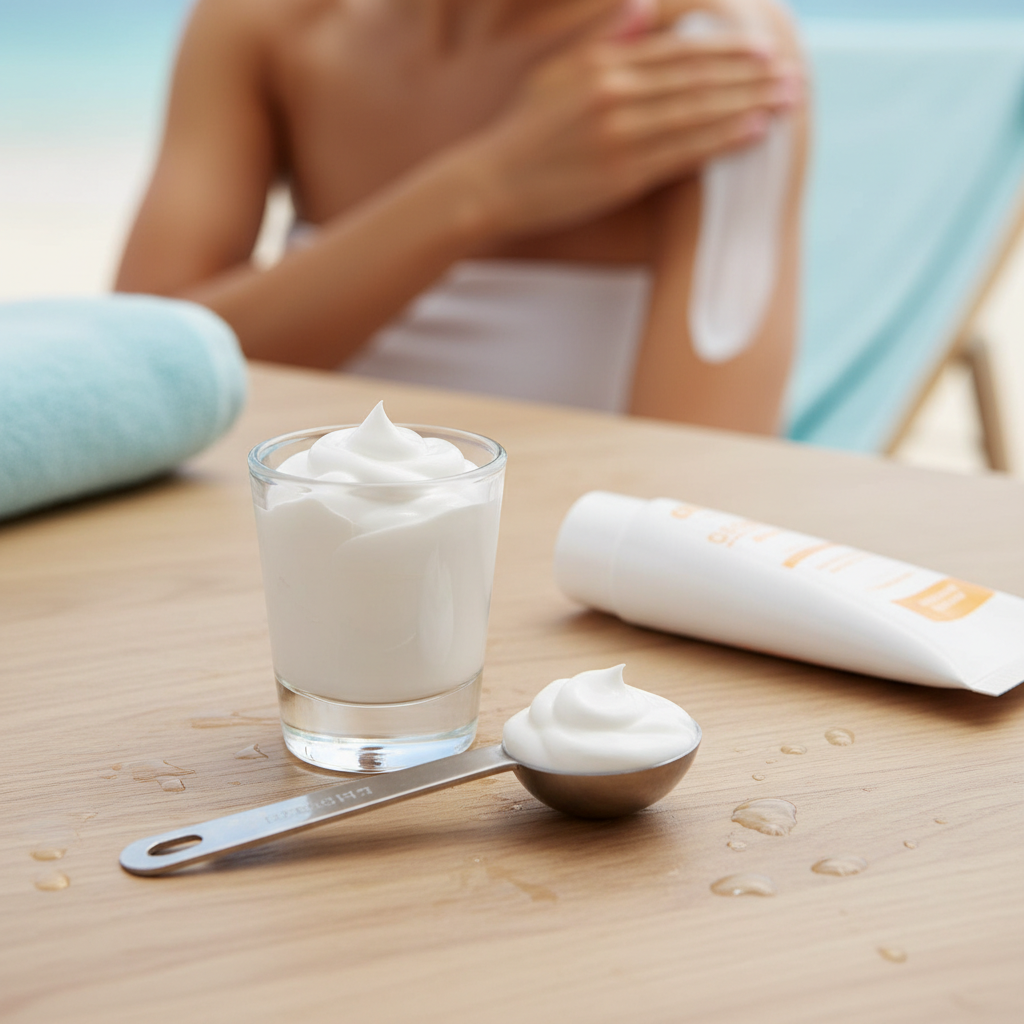
Building an effective skincare routine on a college budget is entirely achievable by focusing on essential steps and scientifically-backed, affordable active ingredients. Prioritizing gentle cleansing, targeted treatment, adequate hydration, and consistent SPF application allows students to address common concerns like acne, oiliness, or dryness without breaking the bank.
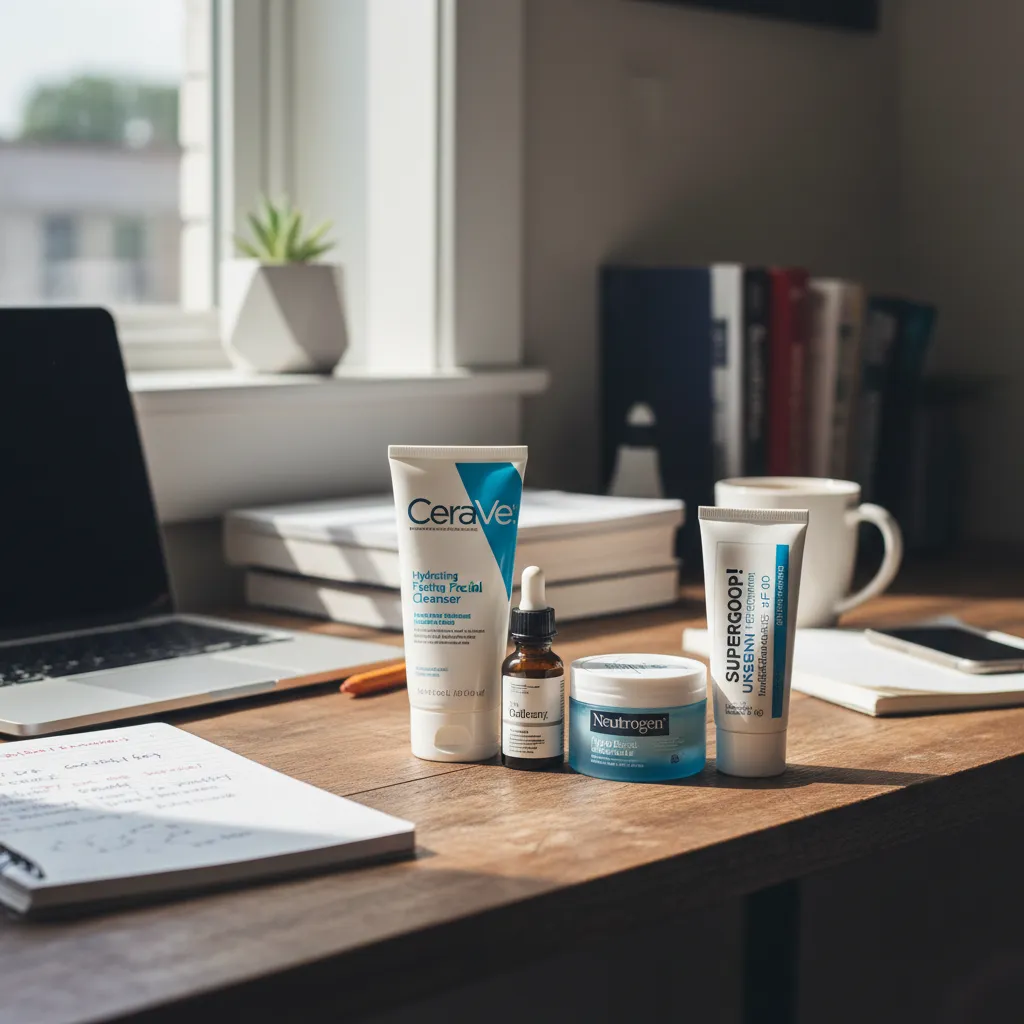
Introduction
College life in the US often means late nights, stress, fluctuating hormones, and a tight budget. While these factors can wreak havoc on your skin, investing in a robust and effective skincare routine doesn’t have to be a luxury. This guide will help you navigate the vast world of skincare, focusing on evidence-informed, affordable choices that deliver real results, specifically tailored for women in the US in 2026.
What’s the Core Philosophy Behind an Affordable Skincare Routine?
The secret to effective, budget-friendly skincare lies in simplicity and smart ingredient choices. You don’t need a ten-step routine or designer labels to achieve healthy, glowing skin. The core philosophy centers on the essentials: cleanse, treat, moisturize, and protect (SPF). By prioritizing products with proven, FDA-approved active ingredients and focusing on maintaining a healthy skin barrier, you can address most concerns efficiently and affordably.
Prioritize Proven Actives, Not Hype
Many drugstore brands now offer formulations comparable to their prestige counterparts, often utilizing the same key active ingredients. Dermatologists consistently recommend accessible brands because they deliver on efficacy without the inflated price tag. Look for products that clearly state their active ingredients and concentrations, rather than relying on vague marketing claims.
Embrace Skin Barrier Health
A significant trend in 2026 skincare continues to be the emphasis on the skin barrier. A healthy skin barrier is your first line of defense against environmental aggressors, moisture loss, and irritation. When your barrier is compromised, skin can become dry, sensitive, or prone to breakouts. Affordable routines should incorporate ingredients that support barrier function, such as ceramides and hyaluronic acid, and avoid harsh, stripping products.
How Do I Build a Basic, Budget-Friendly Routine for My Skin Type?
Understanding your skin type is the first step to building an effective routine. While everyone needs the basic steps, the specific products and active ingredients will vary. Remember, consistency is more important than complexity.
For Oily/Acne-Prone Skin
This skin type often struggles with excess sebum, clogged pores, and breakouts. The goal is to control oil, exfoliate gently, and prevent new blemishes without stripping the skin.
- Cleanser: Look for a gel or foam cleanser containing salicylic acid (BHA) to deep clean pores and reduce oil.
- Treatment: A serum with niacinamide can help regulate oil production and reduce inflammation. For breakouts, consider a spot treatment with benzoyl peroxide or a leave-on salicylic acid product.
- Moisturizer: Opt for a lightweight, non-comedogenic gel or lotion. Even oily skin needs hydration to prevent it from overcompensating and producing more oil.
- Sun Protection: A broad-spectrum, non-comedogenic mineral or chemical SPF with a matte finish is ideal.
For Dry/Sensitive Skin
This skin type needs gentle, hydrating, and barrier-supporting ingredients to combat dryness, flakiness, and irritation.
- Cleanser: Choose a creamy, hydrating, fragrance-free cleanser that won’t strip natural oils.
- Treatment: A serum rich in hyaluronic acid and ceramides will boost hydration and strengthen the skin barrier.
- Moisturizer: A thicker cream or balm with occlusive ingredients (like shea butter or petrolatum) will lock in moisture.
- Sun Protection: A broad-spectrum mineral SPF (zinc oxide and titanium dioxide) is often preferred for sensitive skin due to its gentle nature.
For Combination Skin
Combination skin presents a unique challenge, often being oily in the T-zone and normal to dry elsewhere. The key is to use targeted treatments or products that balance different needs.
- Cleanser: A gentle, balancing cleanser is usually best.
- Treatment: You might use a salicylic acid product on oily areas and a hydrating serum on drier patches. Niacinamide is excellent for balancing combination skin overall.
- Moisturizer: A lightweight lotion that provides adequate hydration without feeling heavy.
- Sun Protection: A broad-spectrum SPF suitable for most skin types.
Addressing Specific Concerns: Targeting with Actives
Once your basic routine is established, you can strategically incorporate specific actives to target concerns like hyperpigmentation, fine lines, or persistent acne. Always introduce new actives one at a time and patch test.
- Brightening: Vitamin C serum in the morning can help with dullness and hyperpigmentation.
- Anti-Aging/Acne: Retinoids (like retinol) are gold standard for both. Start low and slow.
Which Key Actives Offer the Best “Bang for Your Buck”?
These are the workhorse ingredients that deliver significant results without requiring a hefty investment. Many are FDA-approved for specific indications, ensuring their efficacy and safety.
Salicylic Acid (BHA)
A beta-hydroxy acid that is oil-soluble, allowing it to penetrate into pores to dissolve sebum and dead skin cells. Excellent for treating and preventing blackheads, whiteheads, and acne.
Niacinamide (Vitamin B3)
A multi-tasking ingredient that helps strengthen the skin barrier, reduce inflammation and redness, minimize pore appearance, and regulate oil production. It’s well-tolerated by most skin types.
Hyaluronic Acid (HA)
A powerful humectant that attracts and holds up to 1,000 times its weight in water, providing intense hydration and plumping the skin. Essential for all skin types, especially dry or dehydrated skin.
Vitamin C (L-Ascorbic Acid)
A potent antioxidant that protects skin from environmental damage, brightens complexion, fades hyperpigmentation, and stimulates collagen production. Best used in the morning.
Retinoids (Retinol, Retinaldehyde)
Vitamin A derivatives that accelerate cell turnover, reducing the appearance of fine lines, wrinkles, and hyperpigmentation, and treating acne. Retinaldehyde (retinal) is a 2026 trend, offering a more potent, faster-acting option than traditional retinol, often available in OTC formulations now, but still requires careful introduction.
Mineral SPF (Zinc Oxide & Titanium Dioxide)
Physical blockers that sit on the skin’s surface, deflecting UV rays. Often recommended for sensitive skin due to their gentle nature. Non-negotiable for preventing sun damage and premature aging.
Ceramides
Lipids naturally found in the skin barrier, essential for maintaining its integrity and preventing moisture loss. Supplementing with ceramides helps repair and strengthen a compromised barrier, reducing sensitivity and dryness.
Drugstore vs. Prestige: Where Should College Students Invest?
“The notion that expensive skincare is inherently better is a myth. Many drugstore brands leverage decades of research and development, offering highly effective, dermatologist-recommended formulations with proven active ingredients at a fraction of the cost.”
For college students, the answer is clear: focus on drugstore brands. The US market is saturated with incredible, affordable options that contain the very same active ingredients found in high-end products. The FDA regulates active ingredients, meaning a 2% salicylic acid solution from a drugstore brand is chemically identical to a 2% salicylic acid solution from a luxury brand. Differences often lie in aesthetic factors like packaging, fragrance, or texture, which don’t impact efficacy.
Dermatologist consensus consistently points to accessible brands like CeraVe, La Roche-Posay, Cetaphil, The Ordinary, and Paula’s Choice as delivering excellent results. These brands prioritize research-backed ingredients and minimalist formulations, reducing the likelihood of irritation and making them suitable for sensitive skin. Save your money for textbooks and experiences, not overpriced skincare.
Are There Any 2026 Skincare Trends I Should Be Aware Of on a Budget?
While the skincare world is always evolving, not all trends are budget-friendly or even necessary. Here are a few 2026 trends to consider, and how to approach them affordably:
- Skin Barrier Focus: This trend is fantastic for budget skincare. It reinforces the importance of gentle cleansing, adequate hydration, and barrier-supporting ingredients like ceramides and hyaluronic acid, all of which are widely available in affordable formulations.
- Sunscreen Reapplication Science: New research emphasizes that consistent reapplication throughout the day is crucial, not just morning application. Affordable sunscreen sticks or sprays make reapplication over makeup or on the go much easier. Look for compact, travel-friendly options from drugstore brands.
- “Dermal-Grade” At-Home Tools: While tempting, expensive LED masks, microcurrent devices, or high-frequency wands are generally not necessary for a basic, effective routine, especially on a budget. Stick to your hands for application and gentle cleansing. If you want a mild physical exfoliation, a soft washcloth is usually sufficient and free.
- Retinaldehyde (Retinal) vs. Retinol: Retinaldehyde is gaining traction as a more potent, yet still well-tolerated, form of Vitamin A than traditional retinol, making it closer in efficacy to prescription tretinoin. While more expensive than basic retinol, some affordable brands are starting to offer retinaldehyde serums. If you’re ready to upgrade your retinoid, this is an active to watch, but always start with a lower strength retinol first.
Product Comparison: Affordable Essentials for Different Needs
Choosing the right products can be overwhelming. Here’s a comparative look at types of affordable products that address common concerns, focusing on their key benefits and suitable users. Remember, specific brand names will vary, but these categories and ingredients are widely available.
| Product Category | Key Active(s) | Primary Benefit | Ideal User Profile | Typical Brand Type |
|---|---|---|---|---|
| Gentle Hydrating Cleanser | Ceramides, Hyaluronic Acid | Cleanses without stripping, supports barrier | All skin types, especially dry/sensitive | Dermatologist-Recommended Drugstore Brand A |
| Salicylic Acid Cleanser | Salicylic Acid (BHA) | Deep cleans pores, reduces acne/oil | Oily, acne-prone, combination skin | Pharmacy Staple Brand B |
| Niacinamide Serum | Niacinamide (5-10%) | Balances oil, minimizes pores, strengthens barrier | Oily, combination, sensitive, acne-prone | Ingredient-Focused Drugstore Brand C |
| Lightweight Moisturizer | Hyaluronic Acid, Glycerin | Hydrates without heaviness, non-comedogenic | Oily, combination, normal skin | Classic Drugstore Brand D |
| Mineral SPF 30+ (Face) | Zinc Oxide, Titanium Dioxide | Broad-spectrum UV protection, gentle | All skin types, especially sensitive | Natural-Focused Drugstore Brand E |
Simple Steps for Skincare Success on a Budget
Building a routine doesn’t have to be complicated. Follow these practical steps for lasting results:
- Start Simple: Begin with a gentle cleanser, a basic moisturizer, and a broad-spectrum SPF. Introduce one new active ingredient at a time, allowing your skin to adjust for 2-4 weeks before adding another.
- Patch Test New Products: Before applying a new product all over your face, test a small amount on an inconspicuous area (like behind your ear or on your inner forearm) for a few days to check for irritation.
- Consistency is Key: Even the most expensive products won’t work if you don’t use them regularly. Stick to your routine morning and night, every day.
- Listen to Your Skin: Pay attention to how your skin reacts. If a product causes redness, burning, or excessive dryness, stop using it. Your skin’s needs can also change with seasons, stress, or hormones.
- Don’t Skip SPF: This is arguably the most important step for long-term skin health. Use it every single morning, rain or shine, even indoors if you’re near a window.
- Be Patient: Skincare results aren’t instant. It takes time for products to work, especially for concerns like acne or hyperpigmentation. Give new products at least a month to show their effects.
- Avoid Over-Exfoliation: More isn’t always better. Over-exfoliating can damage your skin barrier, leading to sensitivity and breakouts. Stick to recommended usage for chemical exfoliants.
Frequently Asked Questions
How often should I cleanse my face?
Generally, cleansing twice a day—once in the morning and once at night—is sufficient. You should also cleanse after any vigorous exercise or excessive sweating to prevent clogged pores.
Can I skip moisturizer if I have oily skin?
No, skipping moisturizer can actually make oily skin worse. When your skin is dehydrated, it can overcompensate by producing more oil. A lightweight, non-comedogenic moisturizer will provide necessary hydration without feeling greasy.
Is it okay to use multiple active ingredients at once?
While some actives can be combined effectively (e.g., niacinamide with almost anything), it’s crucial to be cautious. Avoid combining potent actives like retinoids with strong AHAs or high-percentage Vitamin C, especially when starting out. Introduce actives one at a time and alternate them (e.g., Vitamin C in the morning, retinol at night) to minimize irritation.
What’s the biggest mistake college students make with skincare?
One of the most common mistakes is trying too many new products at once, leading to skin irritation and making it impossible to identify what’s working or causing issues. Another major error is neglecting consistent sunscreen use, which is the single best anti-aging and anti-acne step.
When should I see a dermatologist?
You should consult a dermatologist if you’re experiencing persistent, severe acne that doesn’t respond to over-the-counter treatments, chronic skin irritation, unexplained rashes, unusual moles, or have specific concerns about skin conditions like eczema or rosacea.
Conclusion
Achieving healthy, radiant skin as a college student in the US is absolutely within reach, even on a tight budget. By understanding your skin type, focusing on essential steps, and choosing affordable products with proven active ingredients, you can build a highly effective routine. Remember, consistency, patience, and listening to your skin are your most powerful tools. Invest wisely in your skin now, and it will thank you for years to come.