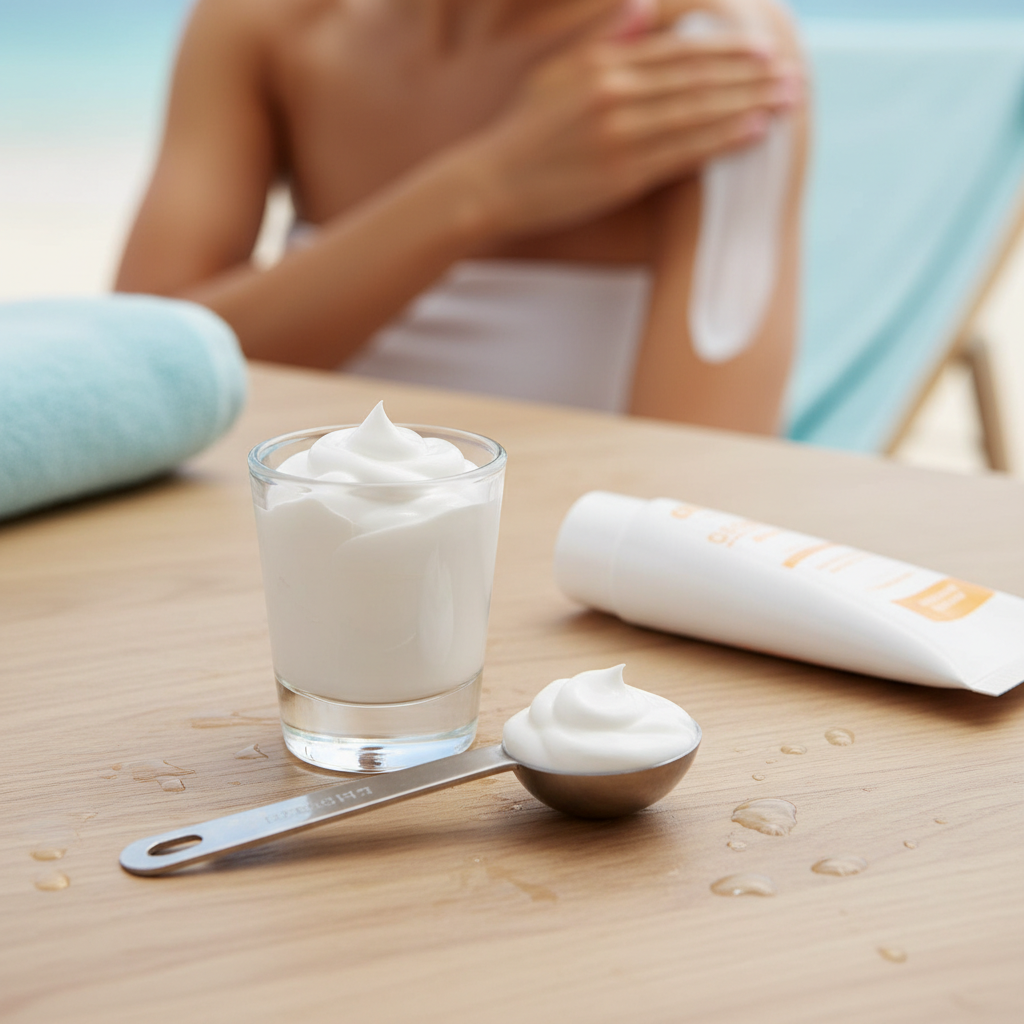
Pilling, those frustrating little balls of product, happens when skincare layers don’t absorb properly due to incompatible ingredients, excessive application, or insufficient wait times. To prevent it, focus on proper skin preparation, apply products from thinnest to thickest, allow ample absorption time between steps, and choose formulations that work synergistically with your skin and other products.
Introduction
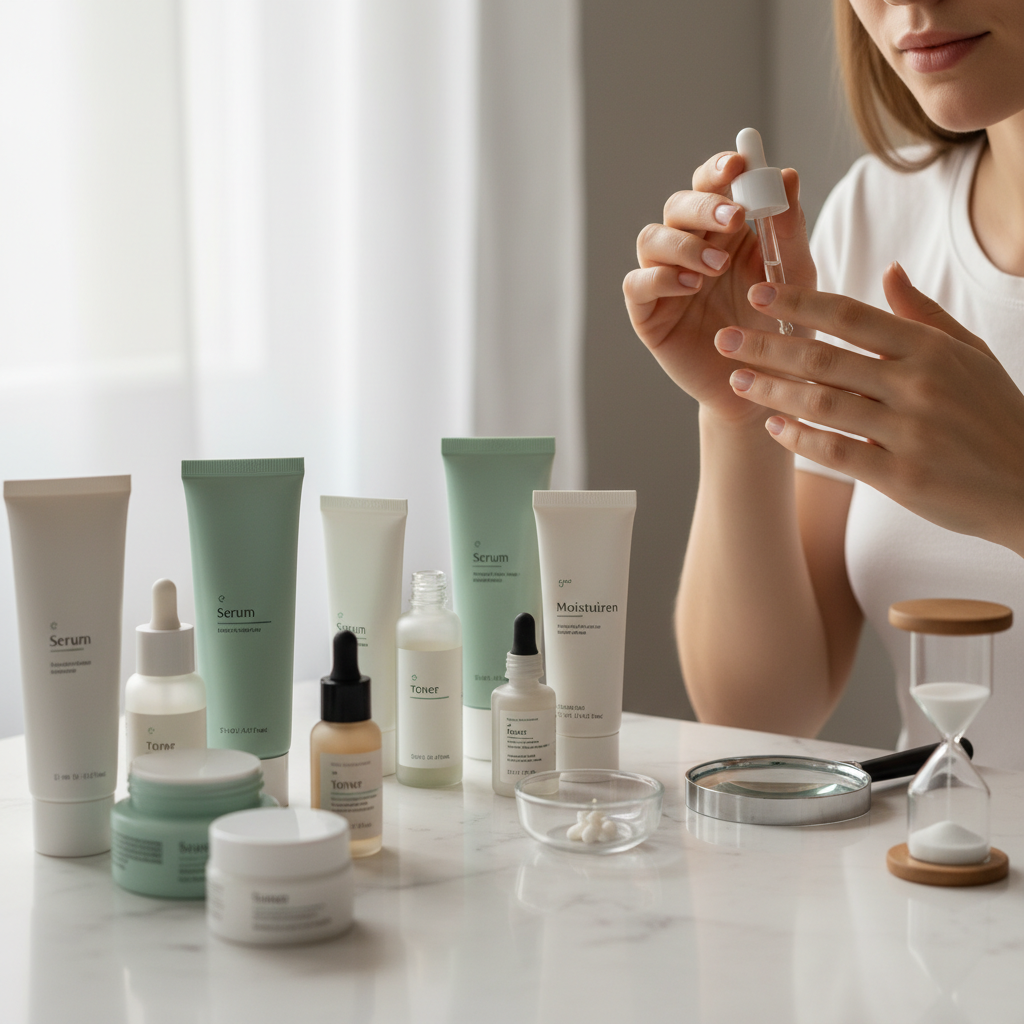
There’s nothing quite as frustrating as meticulously applying your carefully curated skincare routine, only to find it balling up into tiny, unsightly flakes before you even get to your SPF. This phenomenon, known as “pilling,” isn’t just annoying; it can compromise the efficacy of your expensive serums and creams. In 2026, with our routines becoming more sophisticated and ingredient-focused, understanding and preventing pilling is more crucial than ever for achieving that coveted healthy glow. This guide will equip you with the expert knowledge to master your layering techniques and ensure every drop of product delivers its full potential.
What exactly is skincare pilling and why does it happen?
Skincare pilling occurs when products, instead of absorbing smoothly into your skin, clump together on the surface, forming small, eraser-like particles. It’s not your skin flaking off; it’s a breakdown in the product’s integrity on your skin. Several factors contribute to this frustrating phenomenon, often a combination rather than a single culprit.
Common Ingredients That Contribute to Pilling
- Silicones (e.g., Dimethicone, Cyclopentasiloxane): These ingredients are often used to create a silky-smooth finish and improve spreadability. While beneficial for texture, if too many silicone-heavy products are layered or not given enough time to settle, they can form a film that rolls off.
- Film-Forming Polymers (e.g., Acrylates Crosspolymer, PVP): Found in many sunscreens, primers, and gels, these ingredients create a thin, flexible film on the skin. If this film is disturbed before drying or if multiple film-formers are layered, pilling can occur.
- Thickeners and Gums (e.g., Xanthan Gum, Carbomer): Used to give products their desired viscosity, these can sometimes contribute to pilling, especially in high concentrations or when combined with other tricky ingredients.
- High Molecular Weight Hyaluronic Acid: While an excellent hydrator, very high molecular weight hyaluronic acid can sometimes sit on the skin’s surface, forming a film that can pill if rubbed or layered incorrectly.
Beyond Ingredients: Application and Skin Factors
- Insufficient Absorption Time: This is perhaps the most common cause. Products need time to penetrate and settle into the skin. Rushing between layers doesn’t allow this to happen, leaving excess product on the surface.
- Over-Application: Using too much product, especially thick or rich formulations, overwhelms the skin’s capacity to absorb, leaving residue prone to pilling.
- Physical Exfoliation Residue: If your skin isn’t properly cleansed after a physical exfoliant, lingering dead skin cells or product residue can cause subsequent layers to pill.
- Dry or Dehydrated Skin: Paradoxically, very dry or flaky skin can exacerbate pilling. Products struggle to absorb into a compromised skin barrier, leading them to sit on the surface. Maintaining a healthy skin barrier (a key focus in 2026 skincare) is crucial for optimal absorption.
- Rubbing vs. Patting: Vigorously rubbing products into the skin can disrupt the delicate films formed by certain ingredients, leading to pilling. Gentle patting encourages absorption without friction.
How does my skincare routine order impact pilling?
The golden rule of skincare layering is “thinnest to thickest.” This allows lighter, water-based products with smaller molecules to penetrate first, followed by richer, more occlusive formulations. Deviating from this can create a barrier that prevents subsequent layers from absorbing, leading to pilling.
The Optimal Layering Sequence to Prevent Pilling
- Cleanse: Start with a clean canvas. A gentle cleanser removes impurities and prepares the skin. For PM routines, a double cleanse is often recommended to ensure all makeup and SPF are removed.
- Tone: A hydrating or balancing toner can prep the skin to better receive subsequent products. Pat it in gently or use a cotton pad, ensuring it’s fully absorbed.
- Actives & Treatment Serums (Thinnest First): This is where your targeted treatments come in.
- Water-based serums (e.g., Hyaluronic Acid, Niacinamide, Vitamin C): Apply these first. Hyaluronic Acid draws moisture to the skin, while Niacinamide supports the skin barrier and reduces inflammation. Vitamin C acts as an antioxidant and brightens. Allow each serum to fully absorb – typically 60 seconds or until no longer tacky.
- Oil-based serums: If you use an oil-based serum, apply it after water-based ones but before heavier creams.
- Retinoids (e.g., Retinol, Retinal): For evening routines, apply your retinoid (Retinol and its more potent cousin, Retinal, boost cell turnover and collagen) after lighter serums. Give it a minute or two to absorb before moving on.
- Eye Cream: A specialized eye cream is typically lighter than a face moisturizer and should be applied before.
- Moisturizer: This step seals in all the previous layers and provides hydration. Choose a moisturizer appropriate for your skin type – gel for oily, cream for dry. Ceramides are excellent barrier-supporting ingredients to look for here. Gently press or pat it onto the skin.
- Sunscreen (AM Only): The final and most crucial step in your morning routine. Sunscreen, especially mineral SPF containing Zinc Oxide and Titanium Dioxide, often sits on the skin’s surface to create a protective barrier. This makes it a common culprit for pilling. Apply it as the last step and allow it to set for 5-10 minutes before applying makeup. The 2026 understanding of sunscreen reapplication emphasizes sprays or powders for touch-ups over makeup to avoid disrupting layers.
“Think of your skin as a sponge. You want to fill it with the most beneficial, easily absorbed ingredients first, then gradually seal them in with richer textures. Rushing this process is like trying to fill a sponge that’s already saturated on the surface.” – Dermatologist Consensus, SkincareNA Advisory Board.
Which ingredients are most likely to cause pilling, and how can I spot them?
While any product can pill under the wrong circumstances, certain ingredient types are more prone to it due to their molecular structure and how they interact with the skin and other products. Knowing what to look for on an ingredient list can help you anticipate potential issues.
Key Pilling-Prone Ingredients to Watch For
- High Concentrations of Silicones: Look for ingredients ending in “-cone,” “-siloxane,” or “-conol” early in the ingredient list (e.g., Dimethicone, Cyclopentasiloxane, Dimethiconol). While not inherently bad, products heavy in these can create a film that’s easily disturbed.
- Film-Forming Polymers: These are often found in long-wear formulas, sunscreens, and primers. Examples include Acrylates/C10-30 Alkyl Acrylate Crosspolymer, Polyvinylpyrrolidone (PVP), Polyquaternium-10. They form a non-occlusive film on the skin.
- Carbomer and Other Gelling Agents: Carbomer is a common thickener that, in high amounts or certain pH environments, can sometimes contribute to pilling. Other gums like Xanthan Gum can also be culprits.
- Some Mineral SPF Filters: While essential for protection, high concentrations of Zinc Oxide and Titanium Dioxide, especially in thicker, less elegant formulations, can sit on the skin’s surface and pill, particularly if rubbed vigorously or layered over heavy products.
- Cellulose and Starch Derivatives: Ingredients like Microcrystalline Cellulose or Aluminum Starch Octenylsuccinate are often used for oil absorption or texture, but can sometimes contribute to a “rolling” effect.
How to Identify and Test for Pilling Potential
The best way to identify pilling potential is through patch testing and observation. Apply a small amount of the product to the back of your hand or forearm. Let it dry completely, then gently rub it. If it forms small balls, it has pilling potential. This doesn’t mean it will pill on your face, but it’s a good indicator to be mindful of its application.
When combining products, apply them in your intended order on a small section of your face. Pay attention to how they feel, how quickly they absorb, and if any residue remains before the next step. This helps you understand how your specific routine interacts.
What are the best application techniques to prevent pilling?
Even with perfectly compatible products, improper application can lead to pilling. Mastering your technique is just as important as choosing the right formulas.
Application Techniques for a Seamless Finish
- Less is More: Resist the urge to slather on generous amounts of product. A pea-sized amount for serums and a dime-sized amount for moisturizers and sunscreens is often sufficient. Over-application is a primary cause of residue and pilling.
- Gentle Patting or Pressing: Instead of rubbing products vigorously, which can disrupt delicate films and cause them to roll, gently pat or press products into your skin. This encourages absorption and reduces friction.
- Dotting Method for Thicker Products: For thicker creams, balms, or mineral sunscreens, dot the product in small amounts across your face, then gently pat or spread evenly. This prevents a thick layer from being concentrated in one area.
- Warm Hands: Briefly rubbing a product between your palms to warm it slightly before application can help it melt into the skin more readily, particularly for richer creams or balms.
- Allow Adequate Absorption Time: This cannot be stressed enough. Wait at least 30-60 seconds between serum layers, and 2-3 minutes between your moisturizer and SPF. For SPF, allow 5-10 minutes to fully set before makeup. Patience is key.
- Consider Dermal-Grade At-Home Tools: While not essential, tools like a gua sha stone or a facial roller (used with a hydrating serum or facial oil) can help gently distribute product and promote absorption without harsh rubbing. Always use clean tools and light pressure.
The Role of Exfoliation
Regular, gentle exfoliation (using chemical exfoliants like AHAs for surface renewal or Salicylic Acid (BHA) for pore clearing) is vital. By removing dead skin cells, you create a smoother surface for products to absorb into, reducing the likelihood of them sitting on top and pilling. However, avoid over-exfoliating, as this can compromise your skin barrier and lead to dryness, which also exacerbates pilling.
How do different product types and formulations affect pilling?
The base and texture of a product play a significant role in its pilling potential. Understanding these nuances helps you build a cohesive routine, whether you’re opting for drugstore staples or prestige formulations.
Formulation Considerations
- Water-Based vs. Oil-Based: Generally, layer water-based products before oil-based ones. Water-based serums (e.g., many Hyaluronic Acid or Niacinamide serums) absorb quickly. Oil-based serums create a more occlusive layer and can prevent water-based products from penetrating if applied first.
- Gels, Creams, and Balms:
- Gels: Often lightweight and fast-absorbing, but some gel formulations (especially those with high amounts of film-forming polymers) can pill if not fully absorbed or if layered under heavy products.
- Creams: A balanced texture that usually absorbs well. Look for formulations that aren’t overly thick or waxy.
- Balms: Very occlusive and rich. Best used as the final step in a PM routine or sparingly. Layering too many products under a balm can lead to pilling.
- Sunscreens: This is a common pilling hotspot.
- Chemical Sunscreens: Tend to be lighter in texture and absorb more readily, making them less prone to pilling than many mineral formulations.
- Mineral Sunscreens (Zinc Oxide, Titanium Dioxide): By nature, they sit on top of the skin to reflect UV rays. This can make them prone to pilling, especially if they are thick, tinted, or applied over rich moisturizers. Opt for sheer, well-formulated mineral sunscreens designed for elegant application.
Drugstore vs. Prestige: Does Price Matter for Pilling?
In 2026, the line between drugstore and prestige skincare is increasingly blurred, especially concerning FDA-approved actives. Many effective ingredients like Retinol, Niacinamide, and Vitamin C are available across all price points.
The difference often lies in the elegance of the formulation, texture, and the blend of supporting ingredients. Prestige brands sometimes invest more in sophisticated delivery systems and emulsifiers that create a more “skin-feel” friendly product, reducing the likelihood of pilling. However, this isn’t a hard and fast rule. Many affordable drugstore brands have excellent, non-pilling formulations. Focus on ingredient lists and product reviews rather than price tags alone. Dermatologist consensus often highlights specific ingredients and formulations over brand prestige.
How can I troubleshoot pilling based on my skin type?
Your skin type influences how products absorb and react, making a personalized approach to pilling prevention essential.
Tailoring Your Routine by Skin Type
- Oily/Acne-Prone Skin:
- Challenge: Excess sebum can create a slick surface, making it harder for products to adhere and absorb, leading to pilling.
- Solution: Opt for lightweight, gel-based, or fluid formulations. Use less product. Incorporate Salicylic Acid (BHA) to keep pores clear and reduce surface oil, creating a smoother canvas. Ensure toners are fully absorbed.
- Dry/Dehydrated Skin:
- Challenge: Flaky, rough patches provide an uneven surface for products, causing them to catch and pill. Compromised barrier function also hinders absorption.
- Solution: Focus on barrier repair (Ceramides are key) and hydration. Ensure gentle exfoliation to remove flakes. Layer hydrating serums (like Hyaluronic Acid) onto damp skin, then seal with a richer moisturizer. Allow more time for absorption between layers.
- Combination Skin:
- Challenge: Balancing different needs across the face can be tricky.
- Solution: Consider “skin-zoning” – using lighter formulations in oily T-zones and richer ones in drier areas. Pay close attention to absorption times in different regions.
- Sensitive Skin:
- Challenge: Over-manipulation or too many layers can irritate sensitive skin, exacerbating issues.
- Solution: Keep routines minimal. Prioritize gentle, fragrance-free formulations. Use a light touch when applying and allow ample time for absorption to avoid rubbing. Focus on barrier-supporting ingredients like Niacinamide and Ceramides.
- Mature Skin:
- Challenge: Thinner, often drier skin can struggle with product absorption.
- Solution: Focus on rich hydration and barrier support. Incorporate actives like Peptides and Retinol/Retinal, but ensure gentle application and sufficient absorption time. Use nourishing oils and creams that melt into the skin.
Are there specific product combinations I should avoid or prioritize?
While general layering rules apply, certain ingredient and product pairings are more prone to pilling than others. Understanding these can help you fine-tune your routine for maximum efficacy and minimal frustration.
Product Interaction & Pilling Potential
| Product Combination | Pilling Potential | Why it happens & How to mitigate |
|---|---|---|
| Silicone-heavy primer + Mineral SPF | High | Both often form a film. If the primer isn’t fully set, or the SPF is thick, they can clash. Mitigation: Allow primer to dry completely (5-10 min) before SPF. Opt for a sheer, elegant mineral SPF. |
| High molecular weight HA serum + Thick cream/balm | Medium-High | HA can sit on the surface if too much is used or if it’s very high MW. A thick cream on top can cause it to roll. Mitigation: Apply HA to damp skin, use less, allow full absorption before moisturizer. |
| Multiple film-forming serums/gels | High | Layering several products with polymers (e.g., a peptide serum, then a gel moisturizer, then a sunscreen) can create too many surface films. Mitigation: Space out applications significantly. Consider swapping one gel for a cream. |
| Oil-based serum + Water-based moisturizer | Medium | Oil can create a barrier preventing water-based products from absorbing. Mitigation: Apply water-based products first, allow full absorption, then follow with oil-based serums, then (if needed) a final occlusive moisturizer. |
| Exfoliating Acid (AHA/BHA) + Heavy Cream immediately after | Medium | Acids can leave a slight residue or make skin more receptive, but a very heavy cream can “drag” it. Mitigation: Allow AHA/BHA (e.g., Glycolic Acid or Lactic Acid) to fully absorb and neutralize on the skin for 5-10 minutes before applying other products. |