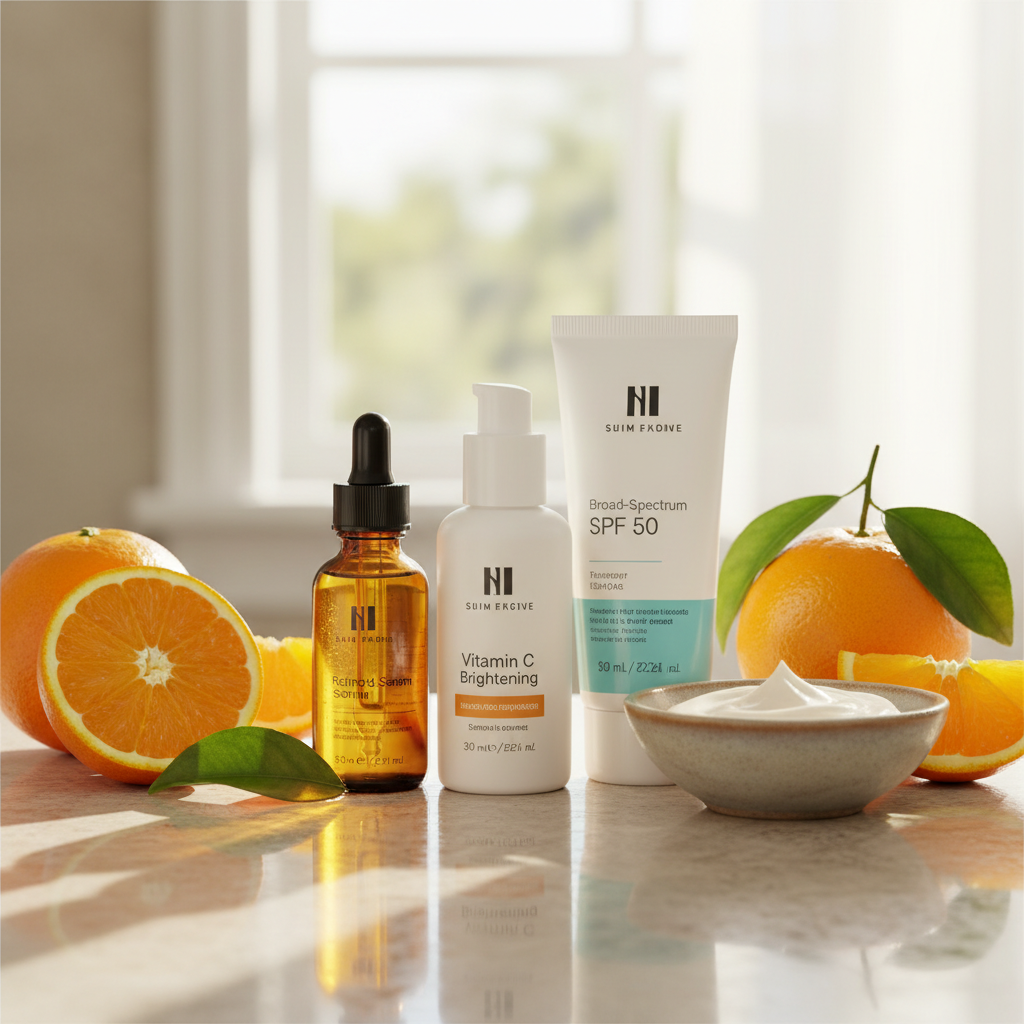
Maskne, or mask-induced acne, is best prevented and treated with a consistent, gentle skincare routine that prioritizes skin barrier health and incorporates targeted actives like salicylic acid or retinoids. Regular mask hygiene, choosing breathable materials, and minimizing heavy makeup under masks are also crucial for maintaining clear skin in 2026.
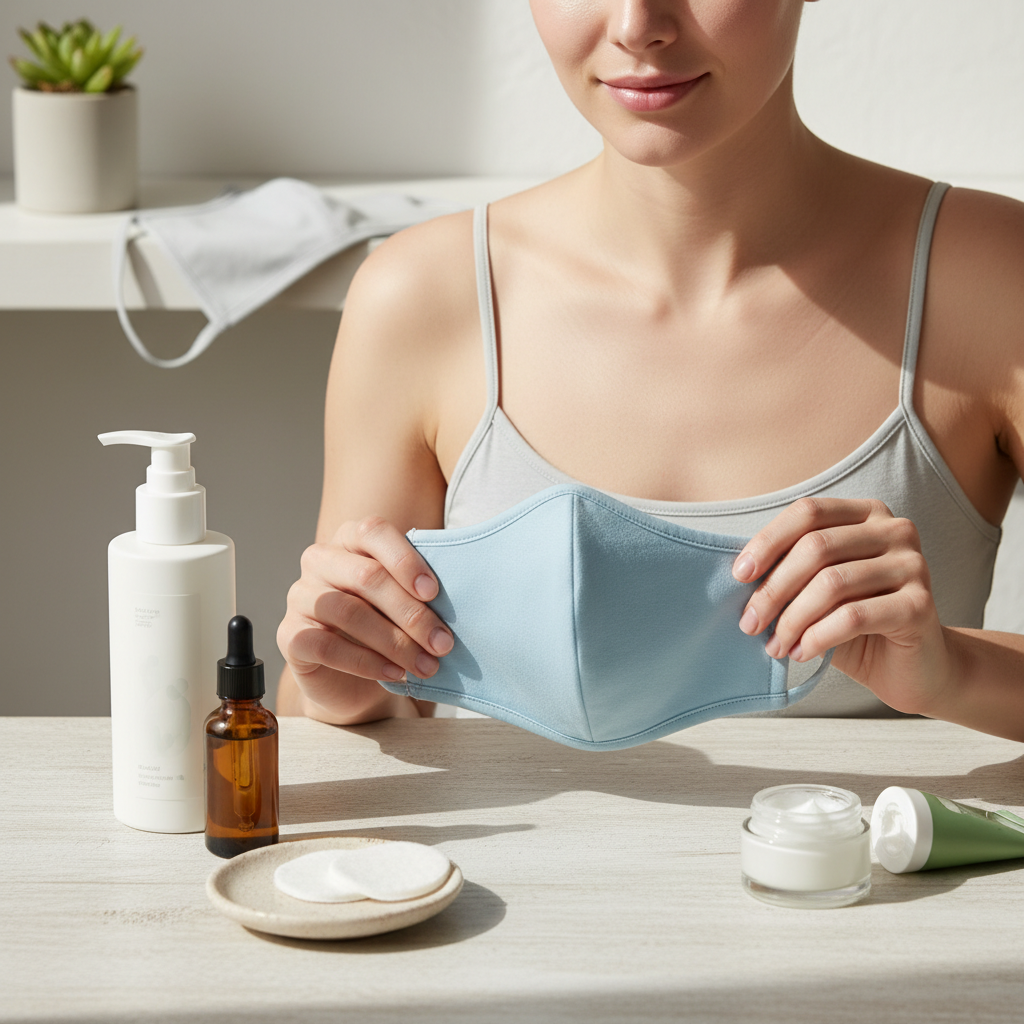
Introduction
Even as we navigate new norms in 2026, maskne remains a persistent skin concern for many women across the United States. The combination of friction, humidity, and trapped bacteria under masks creates a perfect storm for breakouts, ranging from mild irritation to cystic acne. Understanding the root causes and implementing a targeted, evidence-based skincare strategy is key to achieving and maintaining a clear complexion.
What Exactly Causes Maskne, and Why Is It Still a Problem in 2026?
Maskne, clinically known as acne mechanica or perioral dermatitis, is a form of acne triggered by external factors. Despite advancements in public health and personal protective equipment, mask-wearing remains prevalent in many professional settings, healthcare environments, and for personal health choices, keeping maskne relevant. The primary culprits are multifaceted:
- Mechanical Friction: The constant rubbing of mask fabric against the skin can lead to micro-tears and irritation, disrupting the skin’s protective barrier. This physical abrasion can also push dirt, oil, and dead skin cells deeper into pores.
- Occlusion and Humidity: Masks create a warm, moist environment by trapping breath, sweat, and oil. This humid microclimate is an ideal breeding ground for bacteria (like Cutibacterium acnes, formerly P. acnes) and yeast, which contribute to acne and folliculitis.
- Clogged Pores: Increased sweat and oil production, combined with dead skin cells and environmental debris, can easily clog pores when trapped under a mask, leading to blackheads, whiteheads, and inflammatory pustules.
- Skin Barrier Disruption: The constant dampness and friction can compromise the skin’s natural barrier function, making it more vulnerable to irritants, allergens, and microbial invasion, exacerbating inflammation and sensitivity.
How Can I Best Prepare My Skin Before Wearing a Mask?
A proactive approach is essential for preventing maskne before it starts. Preparing your skin properly creates a protective buffer against the harsh mask environment.
- Gentle Cleansing: Start with a mild, pH-balanced cleanser to remove impurities without stripping natural oils. Look for formulas that are sulfate-free and non-foaming, especially if you have sensitive skin.
- Lightweight Hydration: Apply a non-comedogenic, oil-free moisturizer. This helps to reinforce the skin barrier and reduce friction. Heavy creams can feel occlusive and contribute to pore clogging under a mask.
- Barrier-Supporting Actives: Incorporate ingredients known for strengthening the skin barrier. Ceramides are lipids naturally found in the skin that help hold skin cells together, preventing moisture loss and protecting against environmental aggressors. Hyaluronic Acid is a powerful humectant that draws moisture into the skin, providing lightweight hydration without feeling heavy or sticky under a mask.
- Minimize Makeup: If possible, go makeup-free under your mask. If you must wear makeup, opt for minimal, non-comedogenic formulas like a tinted mineral SPF or a light spot concealer rather than heavy foundations.
Which Skincare Ingredients Actually Work to Treat Existing Maskne?
When breakouts do occur, targeted active ingredients are your best defense. Dermatologist consensus supports several key ingredients for their proven efficacy in treating acne.
- Salicylic Acid (BHA): A beta-hydroxy acid, salicylic acid is oil-soluble, meaning it can penetrate through oil to exfoliate inside the pore lining. This makes it highly effective at dissolving sebum and dead skin cells, preventing and treating blackheads and whiteheads. It also has mild anti-inflammatory properties.
- Benzoyl Peroxide: This FDA-approved active is a powerful antibacterial agent that kills acne-causing bacteria (C. acnes) and helps to clear pores by shedding dead skin cells. It’s particularly effective for inflammatory acne (pustules and cysts) and comes in various concentrations, with lower percentages often recommended for initial use to minimize irritation.
- Retinoids (Retinol, Retinal): Derivatives of Vitamin A, retinoids are gold-standard ingredients for acne treatment. They work by increasing cell turnover, preventing dead skin cells from clogging pores, and promoting smoother skin texture. In 2026, Retinal (retinaldehyde) is gaining significant traction as a powerful, yet often less irritating, retinoid that converts to retinoic acid more directly than retinol, offering faster results for many. Start with a low concentration a few times a week to build tolerance.
- Niacinamide (Vitamin B3): A versatile active, niacinamide is known for its anti-inflammatory properties, which help reduce redness and calm irritated skin. It also supports the skin barrier, minimizes pore appearance, and can help regulate oil production, making it excellent for maskne.
- Alpha Hydroxy Acids (AHAs): Ingredients like Glycolic Acid and Lactic Acid are water-soluble exfoliants that work on the skin’s surface to remove dead skin cells, improving texture and brightness. While effective for surface congestion and post-inflammatory hyperpigmentation (PIH), they don’t penetrate pores as deeply as BHAs.
- Vitamin C: While not a primary acne treatment, Vitamin C is a potent antioxidant that helps protect skin from environmental damage and is excellent for brightening the complexion and fading post-inflammatory hyperpigmentation (dark spots left after breakouts). It can be a valuable addition to a maskne routine once active breakouts are under control.
When incorporating these actives, introduce them one at a time, especially if you have sensitive skin, and always follow up with sunscreen during the day.
What’s the Best Daily Skincare Routine for Maskne-Prone Skin?
Consistency is paramount. A well-structured daily routine can significantly mitigate maskne.
Morning Routine:
- Gentle Cleanse: Wash your face with a mild, hydrating cleanser.
- Targeted Serum: Apply a serum with antioxidants like Niacinamide to reduce inflammation and support the barrier, or a Vitamin C serum for brightening and protection.
- Lightweight Moisturizer: Use a non-comedogenic, oil-free moisturizer to lock in hydration.
- Mineral SPF: Apply a broad-spectrum Mineral SPF (containing Zinc Oxide and/or Titanium Dioxide) with at least SPF 30. Even if your face is covered by a mask, incidental sun exposure can contribute to hyperpigmentation, and the need for reapplication is emphasized by current sunscreen reapplication science, even for subtle exposure.
Evening Routine:
- Double Cleanse: Start with an oil-based cleanser to break down makeup, sunscreen, and excess oil, followed by a gentle water-based cleanser to thoroughly clean the skin.
- Treatment Serum: Apply your chosen active ingredient. This could be a BHA toner, a retinoid serum (retinol or retinal), or a benzoyl peroxide spot treatment.
- Barrier-Supporting Moisturizer: Finish with a nourishing moisturizer, ideally one containing ceramides or squalane, to repair and strengthen the skin barrier overnight.
Daily Maskne Prevention Checklist:
- Choose Breathable Mask Materials: Opt for masks made from soft, breathable fabrics like cotton, silk, or bamboo.
- Wash Reusable Masks Daily: Use a gentle, fragrance-free detergent and hot water to eliminate bacteria and irritants.
- Change Disposable Masks Regularly: Replace disposable masks every 4-6 hours, or more frequently if they become damp or soiled.
- Cleanse Skin Gently Twice Daily: Avoid harsh scrubbing, which can further irritate compromised skin.
- Use Non-Comedogenic Products: Ensure all your skincare and makeup products are labeled “non-comedogenic” or “non-acnegenic.”
- Incorporate a Targeted Acne Active: Regularly use a proven active like salicylic acid or a retinoid as part of your evening routine.
- Prioritize Skin Barrier Health: Use products with ceramides, hyaluronic acid, and niacinamide to keep your skin strong and resilient.
How Do Drugstore and Prestige Skincare Solutions Compare for Maskne?
When it comes to treating maskne, efficacy doesn’t always correlate with price. Both drugstore and prestige brands offer effective solutions, largely due to the fact that many key active ingredients are FDA-approved and widely available.
Drugstore brands excel at providing accessible, high-quality formulations of proven actives like salicylic acid, benzoyl peroxide, and even retinoids (like adapalene, which is now over-the-counter). Dermatologists frequently recommend these cost-effective options because their core ingredients deliver results without breaking the bank. You’ll find robust cleansers, treatments, and moisturizers that prioritize functional ingredients.
Prestige brands, conversely, often differentiate themselves through elegant textures, sophisticated delivery systems, and the inclusion of ancillary “cosmeceutical” ingredients such as peptides, advanced antioxidants, or unique botanical extracts. While these additions can enhance the user experience and offer additional skin benefits (like anti-aging or brightening), they don’t necessarily make the product more effective for treating maskne’s core issues than their drugstore counterparts. The choice often comes down to personal preference for texture, brand philosophy, and budget, rather than a significant difference in maskne-fighting power.
| Ingredient/Product Focus | Oily/Acne-Prone Skin | Dry/Sensitive Skin | Combination Skin |
|---|---|---|---|
| Primary Active | Salicylic Acid (BHA), Benzoyl Peroxide, Retinoids (Retinol, Retinal) | Niacinamide, Azelaic Acid, Gentle Retinal (low dose) | Salicylic Acid (T-zone), Niacinamide, Retinol |
| Supportive Care | Lightweight, oil-free hydration; Oil-controlling serums | Barrier repair (Ceramides, Squalane); Humectants (Hyaluronic Acid) | Balanced hydration; Targeted spot treatments; Barrier protection |
| Product Example (Type) | Gel cleanser with BHA, Lightweight Retinoid serum, Clay mask (weekly) | Cream cleanser, Ceramide-rich moisturizer, Low-dose Retinal cream | Foaming cleanser, Niacinamide serum, Gel-cream moisturizer, BHA toner (T-zone) |
Are There Specific Tools or Treatments That Enhance Maskne Prevention?
Beyond topical skincare, certain at-home tools and lifestyle adjustments can support your maskne prevention efforts, reflecting current 2026 trends in dermal-grade at-home solutions.
<p