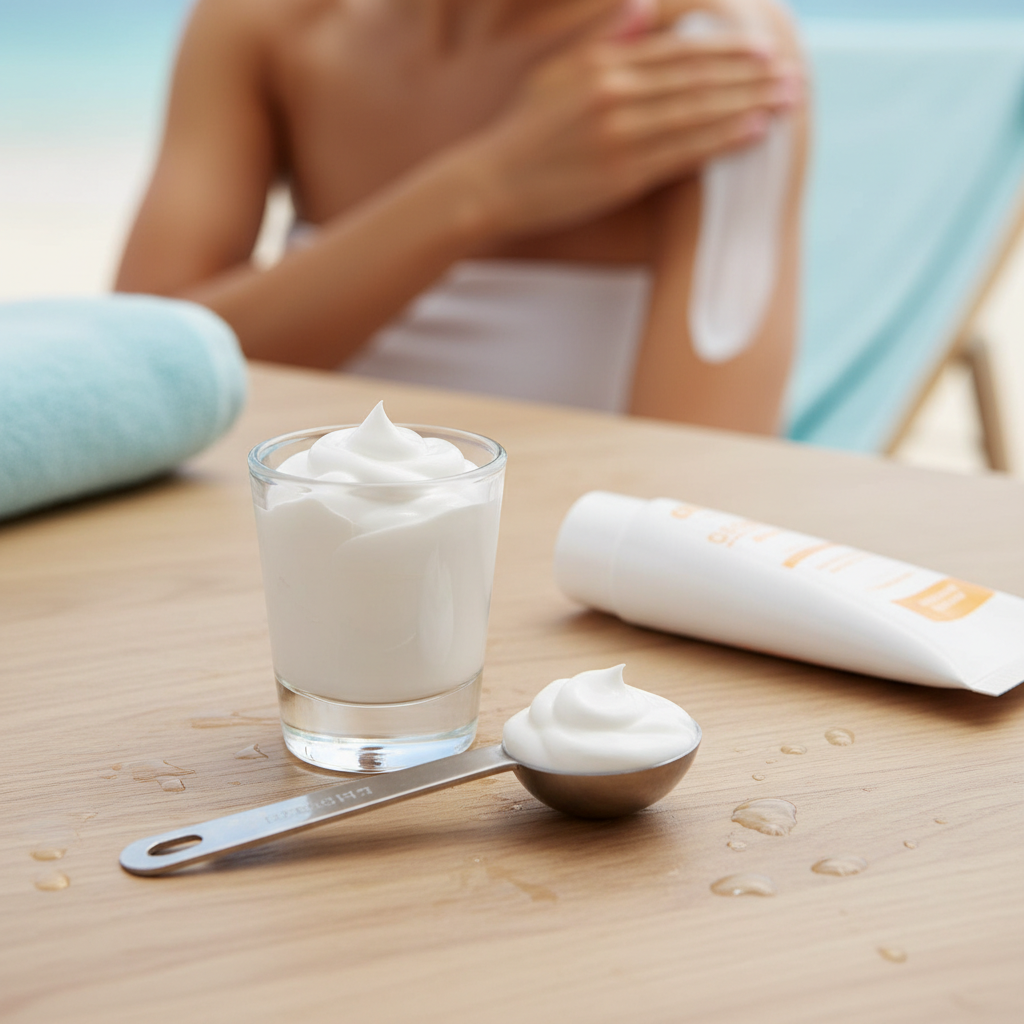
For beginners seeking to smooth fine lines in 2026, the best retinol serums are those formulated with lower concentrations of pure retinol or gentle retinaldehyde, buffered with soothing ingredients like niacinamide, ceramides, and hyaluronic acid. Prioritize slow introduction, consistent nightly use, and diligent daily mineral SPF application to achieve visible results without irritation.
Introduction
Retinol has long been hailed as the gold standard in anti-aging skincare, and for good reason. This powerful vitamin A derivative can significantly improve the appearance of fine lines, wrinkles, uneven skin tone, and texture. However, for those new to the ingredient, navigating the vast market of retinol serums can feel overwhelming. Fear not, SkincareNA is here to guide you through selecting the perfect beginner-friendly retinol serum to kickstart your journey to smoother, more radiant skin in 2026.
What is Retinol and Why Do Beginners Need It?
Retinol is a type of retinoid, which is a derivative of Vitamin A. When applied to the skin, retinol converts into retinoic acid, the active form that communicates with skin cells to accelerate cell turnover and stimulate collagen production. This process helps to resurface the skin, reduce the appearance of fine lines and wrinkles, fade hyperpigmentation, and improve overall skin texture and firmness.
For beginners, starting with retinol is crucial because it’s generally gentler than its stronger counterparts like prescription tretinoin or even over-the-counter retinaldehyde (retinal). It allows your skin to gradually adapt to the active ingredient, minimizing common side effects like redness, dryness, and peeling. Think of it as a marathon, not a sprint – slow and steady wins the race for long-term skin health and anti-aging benefits.
How Does Retinol Work to Smooth Fine Lines?
The magic of retinol lies in its ability to influence skin at a cellular level. Here’s a breakdown of its key mechanisms for fine line reduction:
- Accelerated Cell Turnover: Retinol speeds up the rate at which skin cells shed and new ones are generated. This constant renewal brings fresher, smoother skin to the surface, diminishing the appearance of dullness and fine lines.
- Collagen Production Boost: As we age, collagen—the protein responsible for skin’s firmness and elasticity—naturally depletes. Retinol stimulates fibroblasts, the cells responsible for producing collagen and elastin, effectively plumping the skin from within and reducing the depth of wrinkles.
- Antioxidant Properties: Retinol also acts as an antioxidant, neutralizing free radicals that contribute to premature aging and skin damage from environmental stressors like UV radiation and pollution.
- Improved Skin Texture: By promoting healthy cell function, retinol helps refine pores and create a more even, smoother skin surface, making fine lines less noticeable.
Which Form of Retinoid is Best for Beginners: Retinol vs. Retinal?
The retinoid family includes several forms, each with varying potencies and conversion steps to the active retinoic acid:
- Retinyl Esters (e.g., Retinyl Palmitate): Mildest form, requires multiple conversion steps, slowest results. Often found in entry-level products.
- Retinol: The most common and widely available OTC retinoid. Requires two conversion steps to retinoic acid. Offers significant benefits with consistent use and is an excellent starting point for beginners.
- Retinaldehyde (Retinal): A newer, increasingly popular OTC retinoid. Requires only one conversion step to retinoic acid, making it more potent and faster-acting than retinol, but still gentler than prescription tretinoin. In 2026, many brands are launching buffered retinal products specifically designed to deliver efficacy with reduced irritation, making them a good “advanced beginner” option or a step up from traditional retinol.
- Tretinoin (Retinoic Acid): Prescription-strength, direct-acting form. Most potent and fastest results, but also highest risk of irritation. Not for beginners.
For true beginners, a well-formulated retinol serum is generally the safest and most effective starting point. If your skin is on the less sensitive side and you’ve used other actives before, a gentle retinaldehyde serum could be a consideration, but always introduce it slowly.
What Key Ingredients Should Beginners Look for in a Retinol Serum?
A great beginner retinol serum isn’t just about the retinol itself; it’s about the supporting cast of ingredients that buffer its effects and nourish your skin barrier. Look for formulations that include:
- Niacinamide (Vitamin B3): A powerhouse ingredient that helps strengthen the skin barrier, reduce redness, minimize pores, and soothe irritation – making it an ideal partner for retinol.
- Hyaluronic Acid (HA): A humectant that draws moisture into the skin, providing intense hydration and helping to counteract the dryness sometimes associated with retinol.
- Ceramides: Essential lipids found naturally in the skin barrier. Ceramides help repair and maintain the barrier, locking in moisture and protecting against environmental aggressors, crucial when introducing a potent active like retinol.
- Peptides: Small chains of amino acids that can signal the skin to produce more collagen, further enhancing retinol’s anti-aging benefits and improving skin elasticity.
- Glycerin: Another excellent humectant that provides hydration and helps keep the skin feeling comfortable.
- Squalane or other nourishing oils: These emollients can provide a protective layer and reduce moisture loss, enhancing skin comfort.
Avoid beginner retinol serums that combine retinol with other strong actives like AHAs (alpha hydroxy acids), BHAs (beta hydroxy acids), or high concentrations of Vitamin C in the same product. While these can be beneficial, they should be introduced separately and cautiously to avoid over-exfoliation and irritation.
How Should Beginners Introduce Retinol into Their Skincare Routine?
Patience and consistency are paramount when starting retinol. Here’s a dermatologist-approved approach:
- Start Low, Go Slow: Begin with a low concentration (0.1% to 0.3% retinol) and apply it just 2-3 nights a week. Gradually increase frequency as your skin tolerates it, eventually aiming for every other night or even nightly use.
- The “Sandwich Method”: For extra sensitive skin or during the initial adaptation phase, apply a thin layer of a hydrating moisturizer, then your retinol serum, and follow with another layer of moisturizer. This buffers the retinol, reducing direct contact and potential irritation.
- Apply to Dry Skin: Always apply retinol to completely dry skin (wait 15-20 minutes after washing your face). Applying to damp skin can increase penetration and lead to more irritation.
- Pea-Sized Amount: A small, pea-sized amount is sufficient for your entire face. More is not better and will only increase the risk of irritation.
- Nighttime Only: Retinol can make your skin more sensitive to the sun and degrades in UV light, so always use it in your evening routine.
- Non-Negotiable SPF: This is perhaps the most critical step. Retinol increases photosensitivity, making your skin more vulnerable to sun damage. Apply a broad-spectrum mineral SPF 30+ every single morning, rain or shine, and reapply throughout the day, especially if you’re outdoors. In 2026, the science on consistent sunscreen reapplication is clearer than ever for preventing photoaging.
- Listen to Your Skin: If you experience significant redness, peeling, or discomfort, reduce the frequency of application or take a short break to allow your skin to recover.
Are Drugstore Retinol Serums as Effective as Prestige Options?
In 2026, the gap between drugstore and prestige skincare has narrowed considerably, especially for actives like retinol. Many accessible drugstore brands now offer highly effective retinol serums that rival their higher-priced counterparts. Here’s why:
- FDA-Approved Actives: While retinol itself is a cosmetic ingredient, the understanding of retinoids is rooted in FDA-approved drugs for conditions like acne. Many drugstore brands leverage this scientific understanding in their formulations.
- Stable Formulations: The key to retinol’s efficacy is its stability. Modern drugstore formulations often use encapsulation or other stabilization techniques to ensure the retinol remains potent from first pump to last.
- Supportive Ingredients: As discussed, the surrounding ingredients are crucial. Many affordable options now include niacinamide, hyaluronic acid, and ceramides, which were once features of only high-end products.
- Dermatologist Consensus: Many dermatologists recommend accessible drugstore retinol options for their patients due to their proven efficacy and affordability, making consistent use more feasible.
While prestige brands might offer more luxurious textures, unique delivery systems, or higher concentrations of *other* exotic actives, when it comes to the core retinol function, many drugstore options deliver comparable results for beginners.
My Top Picks: Best Retinol Serums for Beginners in 2026
Here are some hypothetical but realistic examples of beginner-friendly retinol and retinal serums that SkincareNA recommends for 2026, focusing on their key features and suitability for new users.
| Product Name | Key Retinoid | Other Key Actives | Best For | Why It’s Beginner-Friendly |
|---|---|---|---|---|
| Aura Glow Gentle Retinol Serum | 0.15% Encapsulated Retinol | Niacinamide, Hyaluronic Acid, Ceramides | All Skin Types, especially Sensitive & Dry | Low concentration, encapsulated delivery for slow release, rich in barrier-supporting ingredients to minimize irritation. |
| BioRenew Barrier-Boost Retinal | 0.05% Retinaldehyde | Peptides, Oat Extract, Squalane | Normal to Oily, Advanced Beginners | Effective retinaldehyde in a gentle, nourishing base; good for those ready to step up from retinol with added barrier protection. |
| DermaCalm Pro-Age Concentrate | 0.2% Pure Retinol | Glycerin, Vitamin E, Green Tea Extract | Normal to Combination, Anti-Aging Focus | Pure retinol for effective results, buffered with antioxidants and humectants. Simple, elegant formulation. |
| HydroLux Hydrating Retinol Cream | 0.1% Time-Release Retinol | Hyaluronic Acid (Multi-Molecular), Jojoba Oil | Dry, Dehydrated, or Mature Skin | Ultra-hydrating cream base with time-release retinol to prevent dryness, excellent for replenishing moisture while treating lines. |
Common Mistakes Beginners Make with Retinol
To ensure your retinol journey is successful and comfortable, steer clear of these common pitfalls:
- Using Too Much, Too Soon: Over-applying or increasing frequency too quickly leads to irritation, redness, and peeling, which can discourage consistent use.
- Skipping SPF: Neglecting daily sunscreen is the biggest mistake. It nullifies retinol’s benefits and can lead to sun damage and hyperpigmentation.
- Mixing with Other Harsh Actives: Combining retinol with AHAs, BHAs, or high-strength Vitamin C simultaneously can overwhelm the skin barrier. Introduce these separately, or use them on alternate nights.
- Not Moisturizing Enough: Retinol can be drying. A robust moisturizer is essential to support the skin barrier and maintain hydration.
- Expecting Instant Results: Retinol is a long-game ingredient. Visible improvements typically take 3-6 months of consistent use. Patience is key!
- Ignoring Skin Signals: If your skin feels painfully irritated, inflamed, or excessively dry, take a break. Push through mild flaking, but severe reactions mean you need to scale back.
Frequently Asked Questions
Can I use Vitamin C with Retinol?
Yes, but generally not at the same time. Vitamin C is a powerful antioxidant best used in the morning to protect against environmental damage. Retinol is best used at night. This way, you get the benefits of both without potential irritation or reduced efficacy.
How long until I see results from a beginner retinol serum?
Patience is crucial. While some may notice subtle improvements in texture within a few weeks, significant reductions in fine lines and hyperpigmentation typically take 3 to 6 months of consistent, correct use. Long-term use (6-12 months and beyond) yields the most dramatic results.
What should I do if my skin gets irritated from retinol?
If you experience redness, dryness, or peeling, reduce your retinol application frequency (e.g., from 3 times a week to 1-2 times). Ensure you’re using a rich, hydrating moisturizer and consider the “sandwich method.” Temporarily discontinue other strong actives and focus on barrier repair with ceramides and hyaluronic acid until your skin recovers.
Is retinol safe during pregnancy or breastfeeding?
No. All retinoids, including over-the-counter retinol, are generally advised against during pregnancy and breastfeeding due to potential risks. Always consult your doctor or dermatologist for safe alternatives during this period.
Do I really need to use sunscreen every day with retinol?
Absolutely, yes. This is non-negotiable. Retinol increases your skin’s photosensitivity, making it more vulnerable to sun damage. Using a broad-spectrum mineral SPF 30+ daily, even on cloudy days or indoors near windows, is critical to protect your skin and maximize retinol’s benefits while preventing new signs of aging.
Conclusion
Embarking on your retinol journey in 2026 is an exciting step towards achieving smoother, more youthful-looking skin. By choosing a beginner-friendly formulation, introducing it slowly, and pairing it with a robust hydrating and sun-protective routine, you can harness the remarkable power of this ingredient to effectively smooth fine lines and improve your overall complexion without unnecessary irritation. Consistency and patience are your best allies on this path to radiant skin.