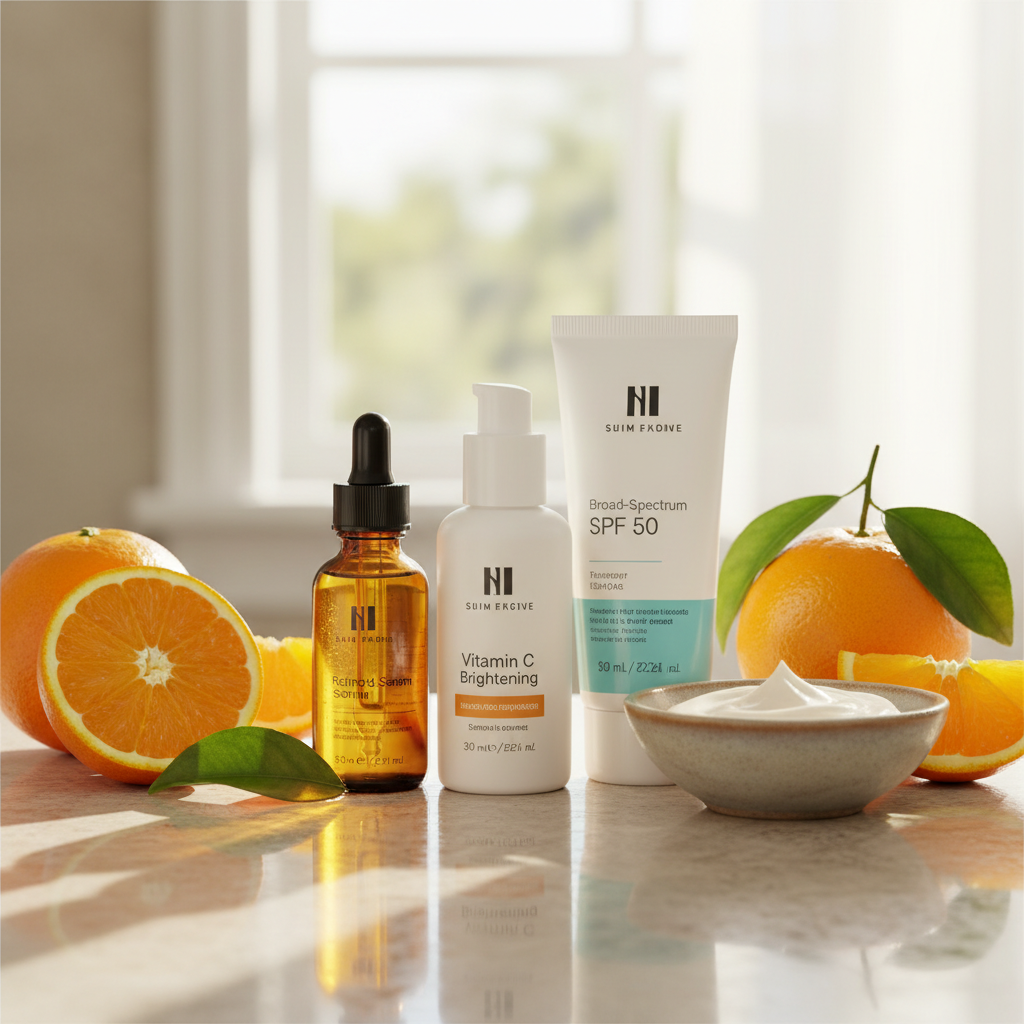
Many American women unknowingly accelerate skin aging by underestimating sun protection, over-exfoliating their skin barrier, neglecting their neck and décolletage, lacking consistency with their routines, and choosing products based on brand hype over effective ingredients. Addressing these common pitfalls with informed choices and diligent practice can significantly preserve skin health and youthful appearance.
Introduction
In the bustling world of skincare, where new products and trends emerge daily, it’s easy for even the most dedicated among us to fall into habits that, while seemingly harmless, can silently accelerate the aging process. For women across the United States, understanding these subtle yet significant missteps is the first step toward a more effective, age-defying routine.
How Crucial is Sun Protection, Really, for Preventing Premature Aging?
Perhaps the most significant and frequently underestimated factor in skin aging is unprotected sun exposure. While most Americans understand the importance of SPF for beach days, daily, incidental exposure – from driving, walking to the mailbox, or sitting near a window – accumulates over time, leading to photoaging. This includes fine lines, wrinkles, hyperpigmentation, and loss of elasticity.
Why is daily, consistent SPF application often overlooked?
Many believe sunscreen is only for direct, prolonged sun exposure. However, UV radiation, specifically UVA rays, penetrates clouds and glass, reaching your skin even indoors or on overcast days. UVA rays are the primary culprits behind photoaging, silently breaking down collagen and elastin fibers.
What type of SPF offers the best daily defense?
For daily wear, a broad-spectrum mineral SPF with at least SPF 30 is highly recommended by dermatologists. Mineral sunscreens, containing zinc oxide and titanium dioxide, physically block UVA and UVB rays by creating a barrier on the skin’s surface. Unlike chemical sunscreens, which absorb UV radiation, mineral filters are generally gentler and suitable for all skin types, including sensitive skin. The latest formulations are increasingly sheer and comfortable, making them easy to integrate into any morning routine.
Remember: Sunscreen isn’t a “set it and forget it” product. Reapplication every two hours, especially if you’re outdoors, is crucial. For those spending significant time in front of digital screens, some research suggests blue light can also contribute to skin damage, making antioxidant protection alongside SPF a smart strategy.
What Happens When You Over-Exfoliate, and How Does It Affect Skin Aging?
In the quest for smooth, glowing skin, many women fall into the trap of over-exfoliation. While exfoliation is vital for removing dead skin cells and promoting cell turnover, too much of a good thing can severely compromise the skin’s natural barrier, leading to inflammation, sensitivity, and accelerated aging.
How do I know if I’m over-exfoliating?
Signs include redness, stinging, flakiness, increased breakouts, and a feeling of tightness or discomfort. When the skin barrier is compromised, it struggles to retain moisture and protect against environmental aggressors, making it more vulnerable to damage and premature aging.
How do AHAs and BHAs work, and how often should they be used?
Alpha Hydroxy Acids (AHAs) like glycolic and lactic acid work on the skin’s surface to dissolve the bonds between dead skin cells, revealing brighter, smoother skin. Beta Hydroxy Acids (BHAs), such as salicylic acid, are oil-soluble, allowing them to penetrate pores and decongest them, making them ideal for oily or acne-prone skin. While these actives are powerful, they should be introduced gradually – typically 2-3 times a week – and always followed by hydration and SPF. Listen to your skin; if it feels irritated, scale back.
What ingredients help restore a compromised skin barrier?
If your skin barrier is compromised, focus on soothing, reparative ingredients. Ceramides are lipids naturally found in the skin barrier, essential for maintaining its integrity and moisture retention. Niacinamide (Vitamin B3) is another powerhouse, known for its ability to strengthen the skin barrier, reduce inflammation, minimize pore appearance, and improve overall skin tone.
Why Does Everyone Forget Their Neck and Décolletage in Their Skincare Routine?
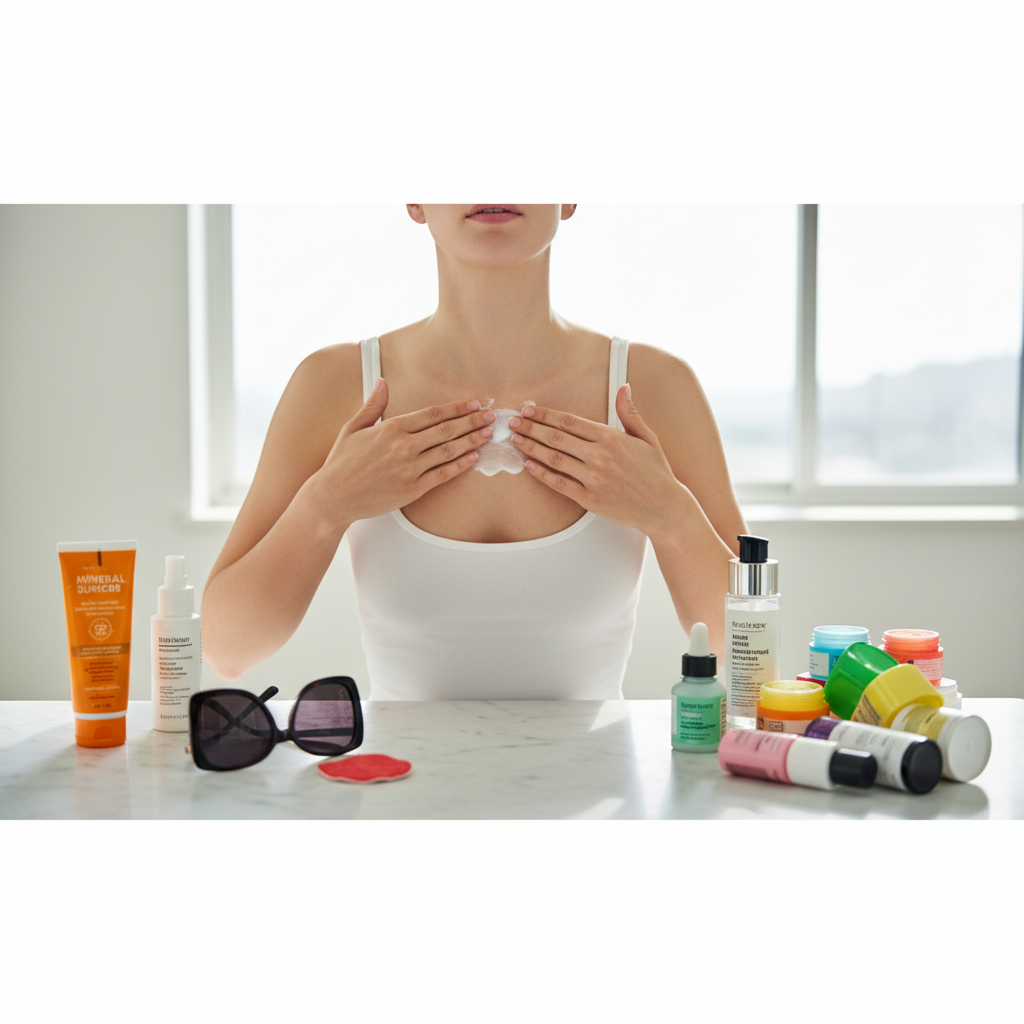
It’s a common oversight: diligently treating the face with serums and creams, only to stop abruptly at the jawline. The skin on the neck and décolletage is thinner and has fewer sebaceous glands than the face, making it more prone to dryness, sun damage, and premature signs of aging like “tech neck” lines and crepey texture.
What makes the neck and décolletage so vulnerable?
These areas are constantly exposed to environmental factors, often without the same protective measures as the face. Additionally, repetitive motions from looking down at devices contribute to horizontal neck lines. The delicate skin here also shows sun damage more readily.
Which actives are best for these often-neglected areas?
Treat your neck and décolletage with the same respect you show your face. Extend your application of anti-aging ingredients downwards. Key actives include:
- Retinoids (like retinol or retinaldehyde): These vitamin A derivatives are gold standards for anti-aging, promoting cell turnover, stimulating collagen production, and reducing the appearance of fine lines and wrinkles. Start with a lower concentration and gradually increase as tolerated.
- Peptides: These short chains of amino acids act as messengers, signaling skin cells to perform specific functions, such as producing more collagen and elastin, leading to firmer, more resilient skin.
- Hyaluronic Acid (HA): A powerful humectant that attracts and holds up to 1,000 times its weight in water, providing intense hydration and plumping the skin, reducing the appearance of fine lines.
- Vitamin C: A potent antioxidant that brightens the skin, protects against free radical damage, and supports collagen synthesis.
Why Do So Many Women Expect Instant Results and Lack Skincare Consistency?
In a world of instant gratification, it’s easy to fall into the trap of product hopping – trying a new serum for a week, seeing no dramatic change, and moving on. Skincare, especially when targeting aging concerns, is a marathon, not a sprint. Inconsistency is a major barrier to achieving and maintaining a youthful complexion.
How long does it really take to see results from skincare products?
Cell turnover takes approximately 28 days in younger skin, slowing down with age. This means it can take at least 4-6 weeks to see initial changes from new products, and often 2-3 months for more significant improvements, especially with ingredients like retinoids. Patience and consistency are paramount.
What are the core components of a consistent, age-defying routine?
A consistent routine tailored to your skin type (oily, dry, combination, sensitive, mature) and concerns is more effective than a cabinet full of unused, expensive products. Here’s a simple framework:
- Morning: Gentle cleanser, antioxidant serum (like Vitamin C), moisturizer, broad-spectrum SPF 30+.
- Evening: Double cleanse (if wearing makeup/SPF), targeted treatment (e.g., retinoid, AHA/BHA), hydrating serum (e.g., Hyaluronic Acid), moisturizer.
Introducing new products one at a time, and giving them sufficient time to work, allows you to assess their efficacy and avoid irritation. The “skin barrier focus” trend of 2026 highlights that even powerful actives are best used on a healthy, resilient skin foundation, reinforcing the need for consistent, balanced care.
Which Ingredients Actually Work: Drugstore vs. Prestige Brands?
One of the biggest misconceptions is that a higher price tag automatically equates to superior results. While prestige brands often invest in elegant formulations and advanced delivery systems, many effective, FDA-approved active ingredients are readily available in affordable drugstore options. Conversely, some expensive products rely more on marketing hype than proven science.
How do I navigate the “drugstore vs. prestige” dilemma?
The key is to become an ingredient-savvy consumer. Focus on the concentration and stability of active ingredients rather than the brand name or packaging. Dermatologist consensus often highlights specific actives regardless of their price point.
What are some key active ingredients to look for?
- Retinol/Retinaldehyde: Both are forms of Vitamin A. Retinol is widely available and effective, while retinaldehyde (often just called retinal) is a newer trend in 2026, being one step closer to retinoic acid (the active form) than retinol, making it potentially faster-acting and sometimes better tolerated for sensitive skin.
- Vitamin C (L-Ascorbic Acid): The most potent form, look for stable formulations in opaque packaging.
- Niacinamide: Excellent for barrier support, redness, and pore appearance.
- Hyaluronic Acid: Essential for hydration and plumping.
- Peptides: Signal skin cells for various benefits, including collagen production.
- AHAs/BHAs: For exfoliation.
- Mineral SPF (Zinc Oxide, Titanium Dioxide): Non-negotiable daily protection.
Many drugstore brands now formulate with impressive concentrations of these actives, often leveraging decades of research. Conversely, some prestige brands may offer beautifully textured products with lower concentrations of key ingredients, relying on sensory experience more than clinical efficacy.
Comparing Anti-Aging Actives for Different Needs
| Anti-Aging Focus | Key Actives to Look For | Primary Benefit | Best For |
|---|---|---|---|
| Overall Rejuvenation & Wrinkle Reduction | Retinoids (Retinol, Retinaldehyde) | Boosts collagen, speeds cell turnover, reduces lines & hyperpigmentation | Most skin types (introduce slowly for sensitive), mature skin |
| Brightening & Antioxidant Protection | Vitamin C (L-Ascorbic Acid) | Neutralizes free radicals, brightens skin tone, supports collagen | Dull skin, uneven tone, environmental protection |
| Firming & Elasticity | Peptides, Growth Factors | Signals skin for collagen/elastin production, improves firmness | Loss of firmness, mature skin |
| Hydration & Barrier Repair | Hyaluronic Acid, Ceramides, Niacinamide | Deeply hydrates, strengthens skin barrier, reduces sensitivity | Dry, dehydrated, sensitive, compromised skin |
Frequently Asked Questions
Can I really achieve significant anti-aging results with drugstore skincare products?
Absolutely. Many drugstore brands offer formulations with high concentrations of clinically proven, FDA-approved active ingredients like retinoids, vitamin C, hyaluronic acid, and niacinamide. The key is to read ingredient lists and choose products based on efficacy rather than brand name or price point. Dermatologists frequently recommend affordable options for their patients.
How often should I use a retinoid in my routine, especially if I have sensitive skin?
For most individuals, starting with a retinoid 2-3 nights a week is recommended, gradually increasing frequency as your skin builds tolerance. If you have sensitive skin, begin with a lower concentration (e.g., 0.025% retinol or a gentle retinaldehyde) once or twice a week, applying it after a moisturizer to buffer its effects. Always pair with consistent morning SPF.
What’s the deal with “dermal-grade” at-home tools, and are they worth it for anti-aging?
The market for at-home dermal-grade tools (like LED masks, microcurrent devices, or even some advanced cleansing tools) has exploded in 2026. While they can complement a good topical routine, their efficacy varies. LED masks can help with collagen stimulation and inflammation, and microcurrent devices may offer temporary lifting. Research reputable brands and look for evidence-based claims, but remember they are typically supplementary, not replacements for core skincare.
My skin is both oily and sensitive. How do I incorporate anti-aging ingredients without causing breakouts or irritation?
Focus on gentle, multi-tasking ingredients. Niacinamide is excellent for both oil regulation and barrier support. For exfoliation, salicylic acid (BHA) can help with oiliness and breakouts without being overly harsh. Introduce retinoids slowly, opting for gentler forms like retinaldehyde or bakuchiol, and always prioritize hydration with lightweight, non-comedogenic moisturizers to prevent barrier compromise.
Is there one “magic” ingredient or product that can reverse all signs of aging?
Unfortunately, no single “magic” ingredient exists. Effective anti-aging is a holistic approach combining consistent sun protection, a well-rounded routine featuring proven actives (like retinoids, antioxidants, and hydrators), a healthy lifestyle, and patience. Consistency and a multi-pronged strategy will always yield better results than relying on a single, hyped product.
Conclusion
Navigating the complex world of skincare doesn’t have to be overwhelming. By understanding and correcting these five common mistakes – from diligent sun protection to an ingredient-focused mindset – American women can empower themselves to make smarter choices for their skin. Embrace consistency, listen to your skin, and remember that truly age-defying results come from informed, persistent care, not fleeting trends or instant fixes.