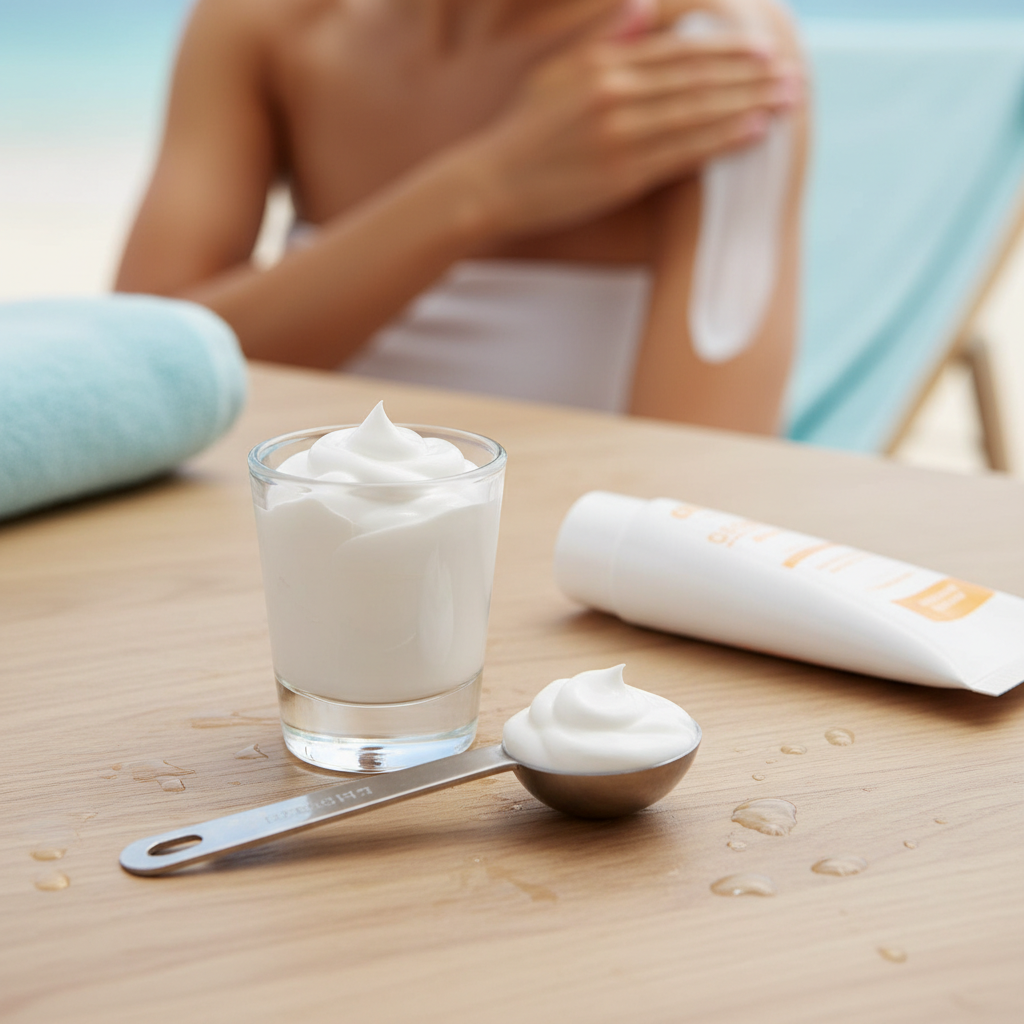
Achieving glowing skin by 30 isn’t about expensive products; it’s about adopting seven fundamental habits: consistent cleansing, targeted treatments with actives like retinoids and Vitamin C, deep hydration, diligent sun protection, robust skin barrier support, a healthy lifestyle, and timely professional guidance. These practices form a holistic approach that prioritizes skin health, resilience, and radiance for years to come.
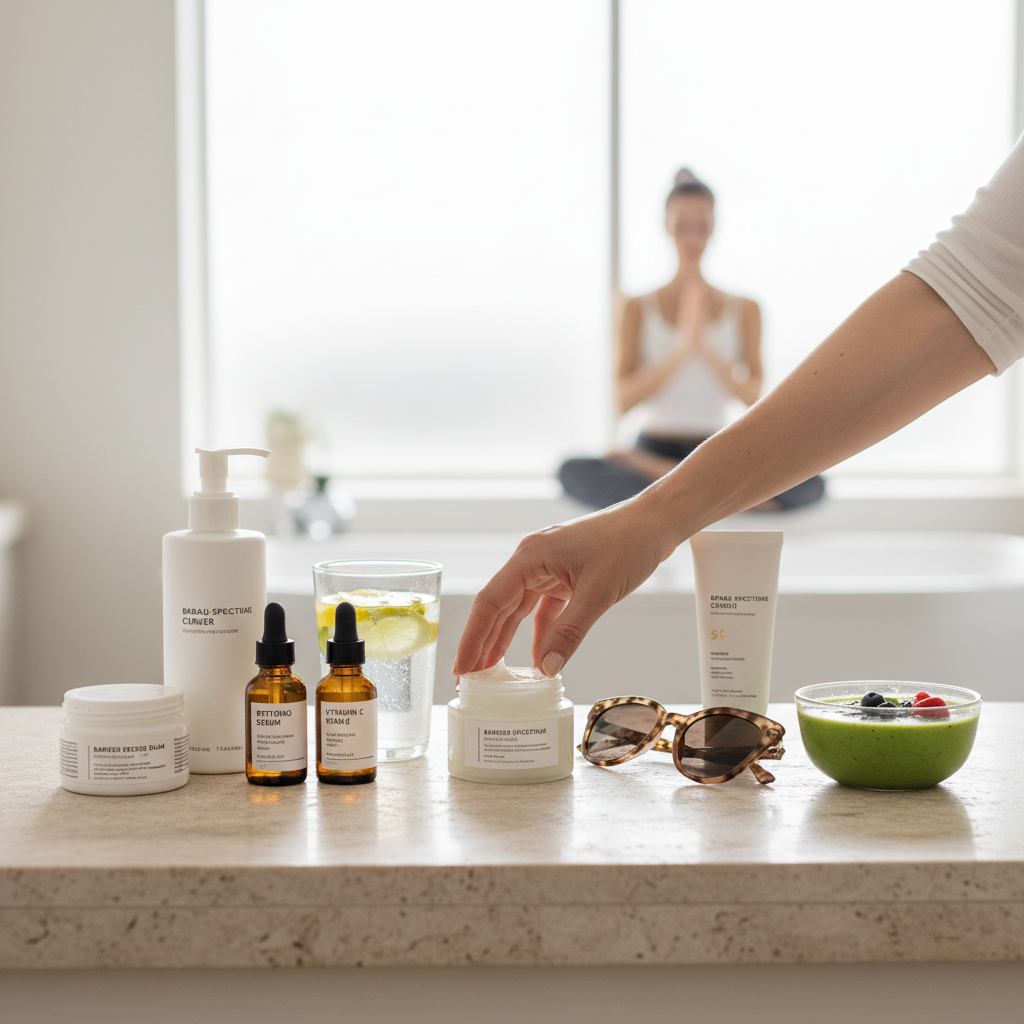
Introduction
The journey to radiant, healthy skin is a marathon, not a sprint. By the time you hit 30, your skin begins to show the cumulative effects of your habits – both good and bad. This isn’t a call for panic, but an invitation to empower yourself with knowledge and establish a skincare routine that truly works. Let’s delve into the seven essential habits every woman should embrace to ensure her skin glows with vitality as she enters her thirties and beyond.
Why is consistent cleansing the bedrock of good skincare?
Think of cleansing as hitting the reset button for your skin. Twice daily – morning and night – it removes impurities, makeup, excess oil, and environmental pollutants that can clog pores, dull complexion, and hinder the penetration of subsequent skincare products. Neglecting this step means active ingredients struggle to reach their targets, making your routine less effective. It’s not just about feeling clean; it’s about creating a clean canvas for treatment and repair.
What’s the best way to choose a cleanser for your skin type?
Choosing the right cleanser is crucial. For oily or acne-prone skin, a gel or foaming cleanser containing salicylic acid (a beta-hydroxy acid, BHA, that exfoliates inside the pore) can be beneficial. Dry or sensitive skin thrives on creamy, hydrating, and fragrance-free cleansers that don’t strip natural oils. Combination skin might benefit from a gentle foaming cleanser or alternating between a hydrating and a clarifying option. Always cleanse with lukewarm water and avoid harsh scrubbing, which can irritate the skin barrier.
How can targeted treatments transform your skin by 30?
Once your skin is clean, it’s primed for targeted treatments – the powerhouses of your routine. These products contain concentrated active ingredients designed to address specific concerns, from fine lines and discoloration to acne and dullness. Introducing them consistently in your late twenties ensures you’re proactively building skin resilience and repair mechanisms before more pronounced signs of aging appear.
Which anti-aging actives should I prioritize?
- Retinoids (Retinol/Retinal): Often considered the gold standard in anti-aging, retinoids (Vitamin A derivatives) work by accelerating cell turnover, stimulating collagen production, and diminishing the appearance of fine lines, wrinkles, and hyperpigmentation. Retinol is widely available, while retinal (retinaldehyde) is a newer, more potent derivative that converts to retinoic acid in one less step, offering potentially faster results with less irritation for some. Start slowly, a few times a week, to build tolerance.
- Vitamin C (Ascorbic Acid): A powerful antioxidant, Vitamin C protects the skin from environmental damage caused by free radicals, brightens complexion, reduces hyperpigmentation, and supports collagen synthesis. Use it in the morning to leverage its protective benefits throughout the day.
- Niacinamide (Vitamin B3): This versatile active strengthens the skin barrier, reduces inflammation and redness, minimizes pore appearance, and helps regulate oil production. It’s well-tolerated by most skin types, including sensitive skin, and pairs well with many other actives.
- AHAs (Alpha Hydroxy Acids – e.g., Glycolic, Lactic Acid): These chemical exfoliants gently dissolve the bonds between dead skin cells on the surface, revealing brighter, smoother skin. Great for improving texture and tone.
- Peptides: Small chains of amino acids that act as building blocks for proteins like collagen and elastin. Different peptides signal the skin to perform various functions, such as boosting collagen, calming inflammation, or even relaxing facial muscles.
What’s the secret to lasting skin hydration and plumpness?
Hydration isn’t just about drinking water; it’s about ensuring your skin retains moisture. Well-hydrated skin is plump, supple, and less prone to showing fine lines. It also supports a healthy skin barrier, making your skin more resilient against external aggressors. Incorporating hydrating ingredients daily is non-negotiable for a glowing complexion.
Beyond hyaluronic acid: What are ceramides and how do they help?
While hyaluronic acid (HA) is a fantastic humectant that draws moisture from the environment into the skin, ceramides are lipids naturally found in the skin barrier. They act like the “mortar” between your skin cells, preventing moisture loss and protecting against irritants. Products rich in ceramides are excellent for reinforcing the skin barrier, especially beneficial for dry, sensitive, or mature skin types. Using both HA and ceramides creates a powerful hydration and barrier-strengthening duo.
Here are some quick tips for boosting skin hydration:
- Apply hydrating serums (like HA) to damp skin to lock in moisture.
- Layer a rich moisturizer over your serums to seal everything in.
- Consider a hydrating facial mist throughout the day, especially in dry climates.
- Use a humidifier in your bedroom during drier months.
- Avoid excessively hot showers, which can strip natural skin oils.
- Incorporate hydrating masks 1-2 times a week.
- Look for ingredients like glycerin, squalane, and fatty acids in your moisturizers.
Is daily sunscreen truly non-negotiable, and how should I reapply?
Without a doubt, daily sunscreen is the single most impactful habit for preventing premature aging and protecting skin health. UV radiation is responsible for up to 80% of visible skin aging, including wrinkles, dark spots, and loss of elasticity, not to mention the risk of skin cancer. An FDA-approved broad-spectrum SPF 30 or higher, applied every morning, is your best defense.
Mineral vs. Chemical SPF: Which is right for me?
Sunscreen comes in two main types: mineral (physical) and chemical. Mineral sunscreens, containing zinc oxide and/or titanium dioxide, sit on top of the skin and create a physical barrier to reflect UV rays. They are generally well-tolerated by sensitive and acne-prone skin. Chemical sunscreens absorb UV radiation and convert it into heat. Modern chemical filters are increasingly stable and elegant in formulation. The “best” one is the one you will consistently use. Many brands now offer hybrid formulas that combine the best of both worlds.
“While morning application is vital, the science of sunscreen reapplication has evolved. For continuous protection, particularly when outdoors, reapplying every two hours is key. Convenient sticks, mists, or powders make this easier throughout the day without disturbing makeup.”
How do I support my skin barrier for resilience and health?
Your skin barrier is the outermost layer of your skin, a protective shield against environmental aggressors, pollution, and moisture loss. A strong barrier means healthy, resilient skin that’s less prone to irritation, redness, and breakouts. Focusing on barrier health is a cornerstone of advanced skincare in 2026, recognizing that even the most potent actives won’t work optimally on compromised skin.
What are the signs of a compromised skin barrier?
Recognizing the signs of a compromised barrier is the first step towards repair. These can include increased sensitivity, redness, stinging or burning sensations when applying products, dryness, flakiness, tightness, and even more frequent breakouts. Over-exfoliation, harsh cleansing, environmental stressors, and lack of hydration are common culprits. Prioritize gentle, fragrance-free products and ingredients like ceramides, fatty acids, and cholesterol to restore balance.
What role do lifestyle factors play in achieving glowing skin?
Skincare isn’t just what you put on your face; it’s also about how you live. Your diet, sleep patterns, and stress levels have a profound impact on your skin’s health and appearance. By 30, these internal factors become increasingly visible on your complexion, making a holistic approach essential for true radiance.
Diet, sleep, and stress: The forgotten skincare ingredients.
A diet rich in antioxidants (from fruits and vegetables), healthy fats (omega-3s), and lean proteins supports skin repair and reduces inflammation. Processed foods, excessive sugar, and dairy can sometimes exacerbate skin issues for some individuals. Aim for 7-9 hours of quality sleep each night; this is when your skin does its most significant repair work. Chronic stress triggers cortisol production, which can lead to increased oil production, breakouts, and impaired barrier function. Incorporating stress-reduction techniques like meditation or exercise is just as important for your skin as your serums.
When should I incorporate professional guidance or at-home tools?
While a consistent at-home routine is paramount, there comes a time when professional guidance from a dermatologist or a licensed aesthetician can elevate your results. They can diagnose specific concerns, recommend prescription-strength treatments, or perform in-office procedures tailored to your skin’s unique needs. This is particularly valuable as you approach 30, when early signs of aging or persistent concerns might require a more expert touch.
Dermal-grade at-home tools: Hype or help?
The market for at-home skincare devices has exploded, with tools like LED masks, microcurrent devices, and facial steamers becoming increasingly accessible. When chosen wisely and used correctly, these “dermal-grade” tools can complement your routine, enhancing product absorption, stimulating collagen, or improving circulation. However, always research thoroughly, prioritize FDA-cleared devices, and manage expectations. They are powerful adjuncts, not replacements, for fundamental skincare habits or professional treatments.
| Active Ingredient | Primary Benefit | Best For Skin Types | Common Product Forms |
|---|---|---|---|
| Retinoids (Retinol/Retinal) | Accelerates cell turnover, boosts collagen, reduces lines & spots. | Most (start slow for sensitive); mature, acne-prone. | Serums, creams, gels. |
| Vitamin C (L-Ascorbic Acid) | Potent antioxidant, brightens, evens tone, collagen support. | All; especially those with dullness, hyperpigmentation. | Serums, creams. |
| Hyaluronic Acid | Intense hydration, plumps skin, reduces fine lines from dryness. | All; especially dry, dehydrated. | Serums, moisturizers, cleansers. |
| Niacinamide (Vitamin B3) | Strengthens barrier, reduces redness, minimizes pores, regulates oil. | All; especially sensitive, oily, acne-prone. | Serums, toners, moisturizers. |
| Salicylic Acid (BHA) | Exfoliates inside pores, reduces oil, targets blackheads & acne. | Oily, acne-prone, combination. | Cleansers, toners, spot treatments. |
Frequently Asked Questions
Is drugstore skincare effective, or do I need prestige brands?
Absolutely, drugstore skincare can be incredibly effective! Many affordable brands formulate with the same high-quality, FDA-approved active ingredients recommended by dermatologists, such as retinol, hyaluronic acid, and ceramides. While prestige brands often offer elegant textures and unique delivery systems, efficacy is not solely tied to price. Focus on ingredients and consistency over brand name.
Can I use all these active ingredients together?
Not necessarily all at once, especially if you’re new to actives or have sensitive skin. Some combinations work well (e.g., Niacinamide and Hyaluronic Acid), while others can cause irritation (e.g., high concentrations of Vitamin C and Retinol applied simultaneously). It’s best to introduce new actives one at a time, layer them strategically (e.g., Vitamin C in the morning, Retinoids at night), and always listen to your skin. When in doubt, consult a dermatologist.
How long does it take to see results from new skincare habits?
Patience is key in skincare. While some immediate changes like improved hydration can be noticed quickly, significant results from actives like retinoids or Vitamin C often take 6-12 weeks of consistent use. Skin cell turnover cycles typically last around 28 days, so give your skin at least one full cycle to respond before evaluating effectiveness.
What’s the most common mistake women make with their skincare?
One of the most common mistakes is over-complicating or over-treating the skin, particularly with excessive exfoliation or too many strong actives at once. This can compromise the skin barrier, leading to irritation, redness, and increased sensitivity. Another major error is neglecting daily sun protection, which undermines all other skincare efforts.
At what age should I start using anti-aging products?
There’s no magic age, but prevention is always easier than correction. Starting with antioxidant protection (like Vitamin C) and daily SPF in your early twenties is excellent preventative anti-aging. Introducing gentle retinoids in your mid to late twenties can also be beneficial for proactive cell turnover and collagen support. The focus should be on skin health, not just “anti-aging.”
Conclusion
Embracing these seven skincare habits by 30 isn’t about chasing an elusive ideal, but about investing in your skin’s long-term health and vitality. By committing to consistent cleansing, targeted treatments, deep hydration, diligent sun protection, robust barrier support, a mindful lifestyle, and seeking expert advice when needed, you’re building a foundation for skin that truly glows from within, resilient and radiant for decades to come.