Living in US cities means your skin faces a daily onslaught of environmental stressors like pollution, UV radiation, and blue light, accelerating visible aging. To combat this, a robust 2026 urban skincare strategy prioritizes daily broad-spectrum SPF, potent antioxidants to neutralize free radicals, and barrier-strengthening ingredients to maintain skin resilience.
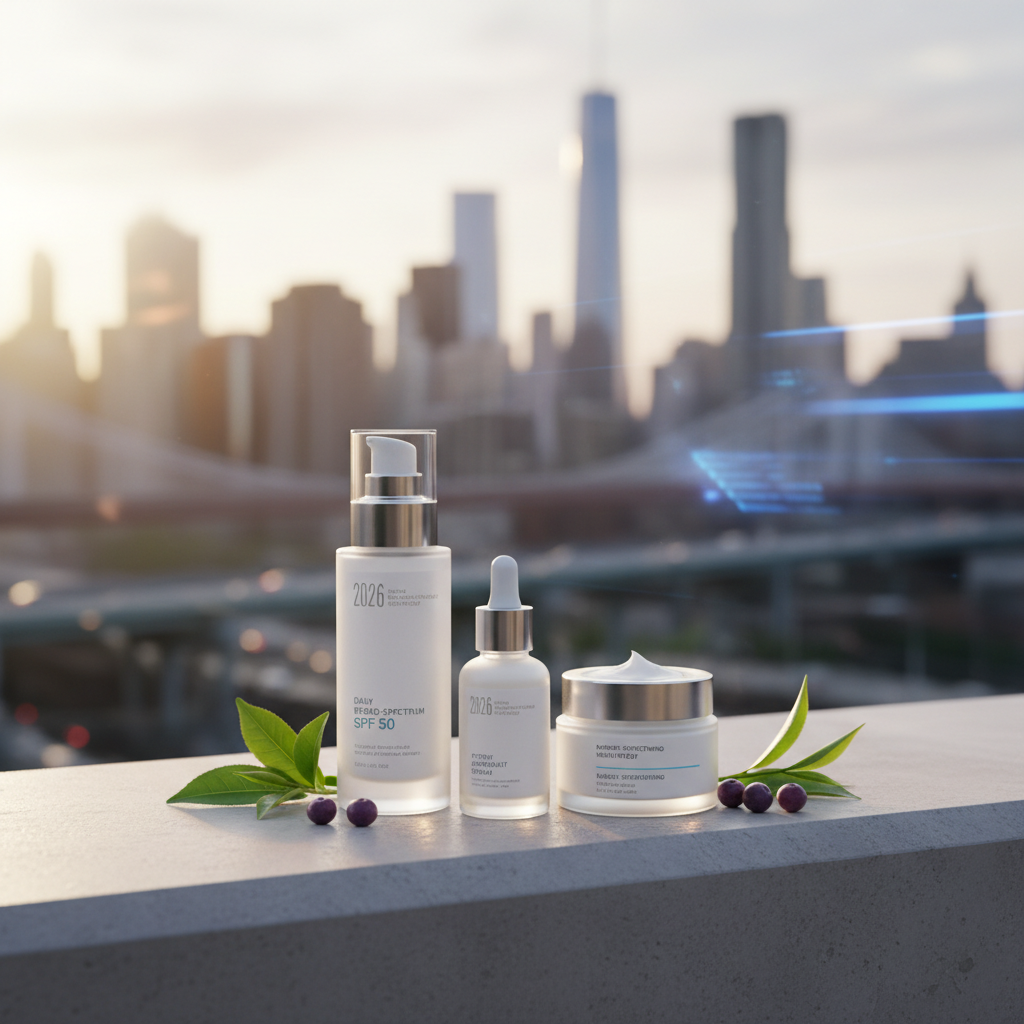
Introduction
The skyline of a bustling US city is a testament to progress, innovation, and vibrancy. Yet, beneath its gleaming surface, an invisible battle is being waged – one that directly impacts the health and appearance of your skin. As we navigate 2026, understanding and actively protecting our skin from environmental aging is no longer a niche concern but a fundamental pillar of effective skincare, especially for those of us living in urban environments. This guide will equip you with the expert, evidence-informed strategies to safeguard your skin, keeping it resilient, radiant, and youthful.
What exactly is “environmental aging” and why should I care in 2026?
Environmental aging, often termed “exposome aging,” refers to the cumulative damage inflicted on our skin by external factors beyond natural chronological aging. While UV radiation has long been recognized as the primary culprit, modern dermatological research, especially relevant in 2026, emphasizes a broader spectrum of aggressors. These include air pollution (particulate matter, ozone), infrared radiation, blue light from digital screens, and even psychological stress. In US cities, where these elements are concentrated, your skin is constantly challenged, leading to premature fine lines, wrinkles, hyperpigmentation, loss of elasticity, and dullness. Caring about environmental aging means proactively defending your skin against these omnipresent threats, preserving its health and aesthetic integrity for years to come.
How does pollution actually damage my skin in US cities?
Urban air pollution is a complex cocktail of harmful substances that wreak havoc on your skin. Particulate Matter (PM2.5 and PM10), microscopic particles from vehicle exhaust, industrial emissions, and construction, can penetrate skin pores, triggering oxidative stress. This process generates unstable molecules called free radicals, which damage healthy skin cells, collagen, and elastin, leading to premature wrinkles and sagging. Ground-level ozone, another common urban pollutant, depletes the skin’s natural antioxidant defenses, leaving it vulnerable. The result? A compromised skin barrier, increased inflammation, dehydration, and a noticeable acceleration of aging signs. This isn’t just about visible dirt; it’s about invisible damage at a cellular level, making specialized urban defense a necessity.
What’s the best daily defense strategy against urban environmental stressors?
A multi-pronged approach is essential for urban skin in 2026. Think of it as building a fortress around your skin cells. The core strategy revolves around three pillars: comprehensive sun protection, potent antioxidant defense, and robust skin barrier support. Sunscreen is your non-negotiable daily shield against UV and increasingly, blue light. Antioxidants act as internal bodyguards, neutralizing the free radicals generated by pollution and other stressors before they can cause damage. Finally, a healthy skin barrier is your first line of defense, preventing irritants from entering and essential moisture from escaping. Integrating these elements into your routine creates a synergistic protective effect, crucial for maintaining skin health in a demanding urban environment.
Which ingredients actually work to repair and protect urban skin?
Sunscreen: Your Non-Negotiable Shield
Broad-spectrum sunscreen is the cornerstone of any anti-aging routine, and its importance is amplified in urban settings. Mineral sunscreens, containing zinc oxide and titanium dioxide, are often preferred for their broad-spectrum protection against UVA/UVB rays and their ability to physically block light, including some blue light. The latest science in 2026 emphasizes not just application, but diligent reapplication, especially if you’re outdoors or near windows. Aim for an SPF 30 or higher daily, applied generously as the last step in your morning routine.