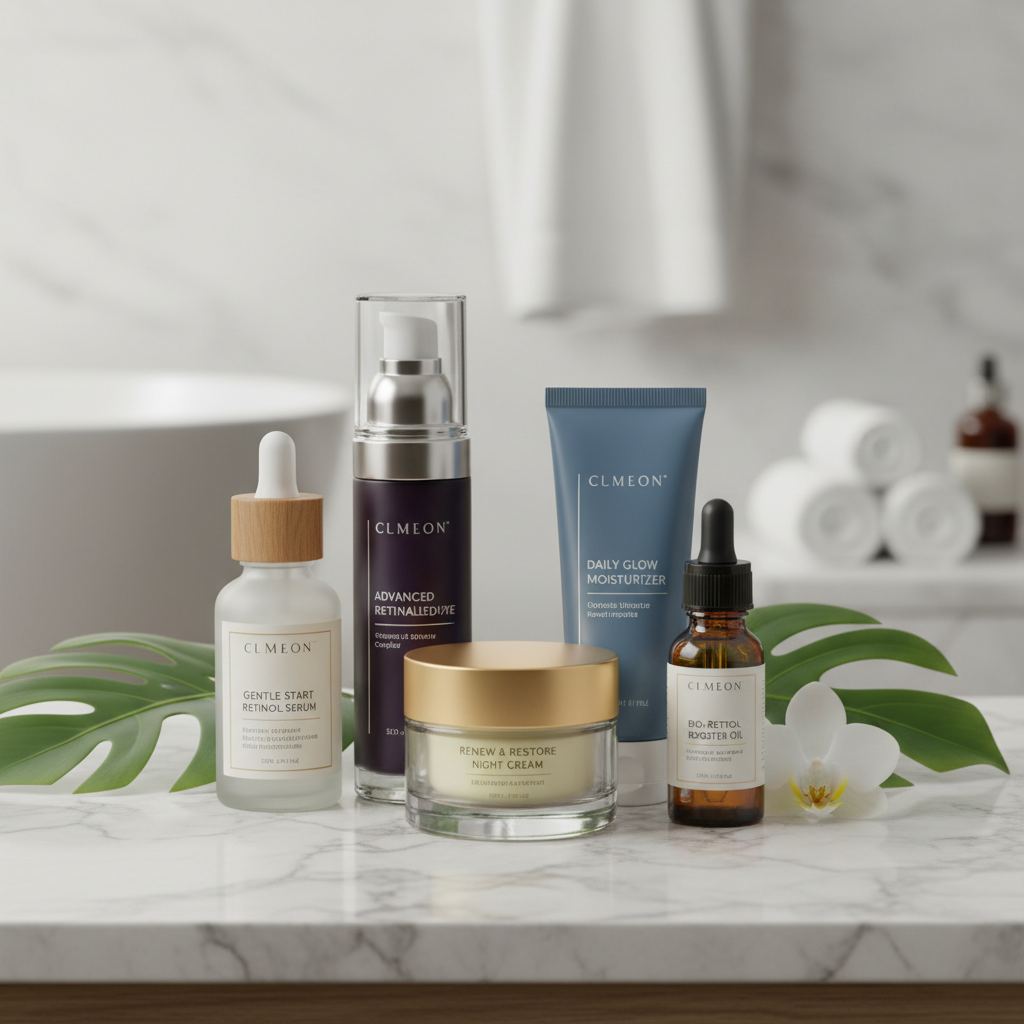
Looking for the ultimate glow-up in 2026? Retinol remains the gold standard in skincare, tackling everything from fine lines and wrinkles to acne and uneven texture. Our top picks this year span gentle beginner formulas to advanced retinaldehyde serums, ensuring there’s a perfect match for every skin type and concern.
Introduction
In the ever-evolving world of skincare, few ingredients have maintained their superstar status quite like retinol. For decades, dermatologists and estheticians alike have championed its transformative power, and in 2026, its relevance is stronger than ever. But with countless products on the market, how do you navigate the options to find the best retinol for your skin? This comprehensive guide cuts through the noise, offering evidence-informed insights and our expert-curated list of top retinol products designed to help women in the US achieve their healthiest, most radiant complexions.
What is Retinol, and Why is Everyone Still Talking About It in 2026?
Retinol is a derivative of Vitamin A, belonging to a broader family of compounds called retinoids. Its enduring popularity stems from its scientifically proven ability to address a wide array of skin concerns. When applied topically, retinol penetrates the skin and is converted into retinoic acid, the active form that communicates with skin cells. This communication prompts cells to behave in a more youthful, healthy manner.
Specifically, retinol works by:
- Accelerating Cell Turnover: It speeds up the rate at which skin cells shed and new ones are generated, leading to smoother texture and a brighter complexion. This is key for managing acne and reducing the appearance of hyperpigmentation.
- Boosting Collagen Production: Retinol stimulates fibroblasts to produce more collagen and elastin, the proteins responsible for skin’s firmness and elasticity. This helps to diminish the appearance of fine lines and wrinkles over time.
- Reducing Acne Breakouts: By regulating oil production and preventing dead skin cells from clogging pores, retinol significantly reduces the frequency and severity of acne.
- Improving Skin Tone and Texture: It helps to fade dark spots, sun damage, and post-inflammatory hyperpigmentation, resulting in a more even and luminous skin tone.
In 2026, the discussion around retinol has matured, moving beyond just “anti-aging” to encompass its role in holistic skin health, barrier support, and long-term maintenance. Formulations are smarter, often combining retinol with soothing and hydrating ingredients to minimize irritation while maximizing efficacy.
Retinoids: Understanding the Family Tree (Retinol vs. Retinal vs. Tretinoin)
While “retinol” is often used broadly, it’s just one member of the retinoid family. Understanding the different types is crucial for choosing the right product for your skin’s needs and tolerance.
Retinol
This is the most common over-the-counter (