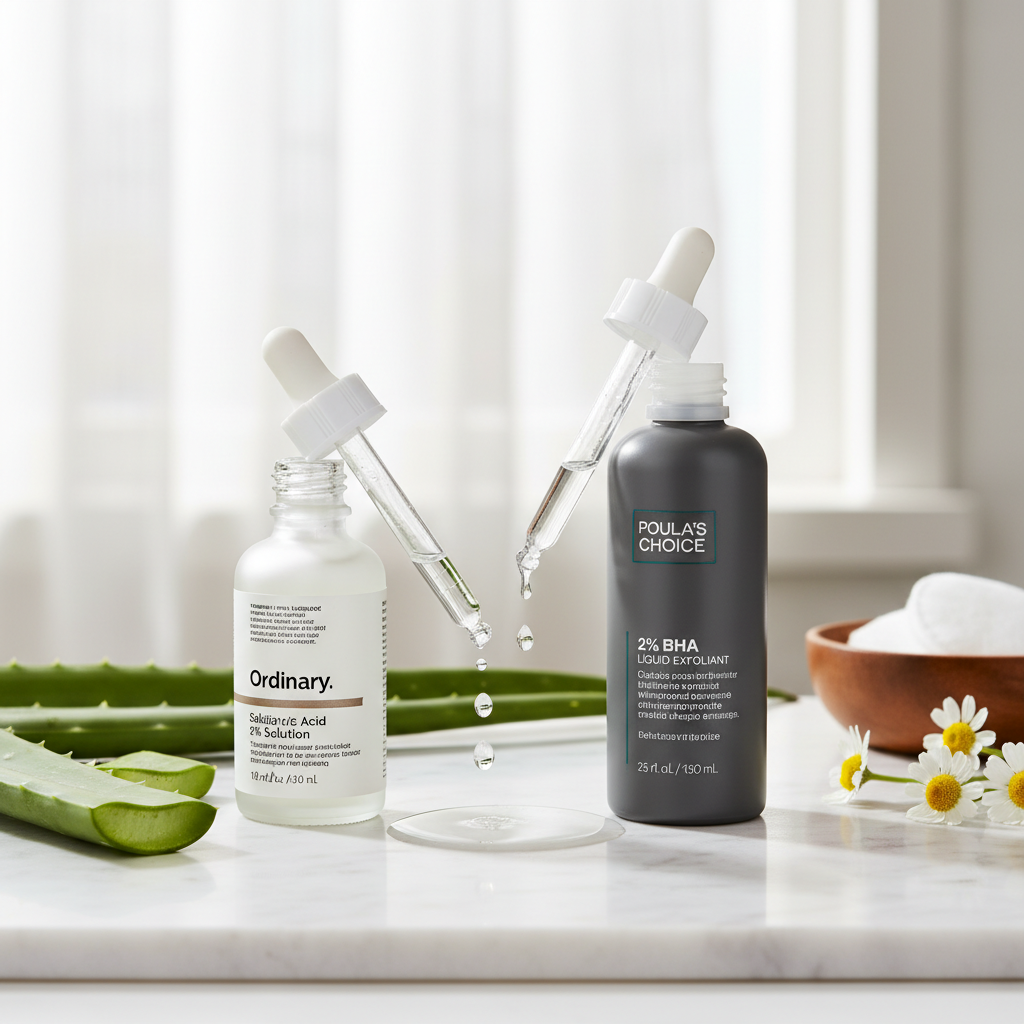
Choosing between Paula’s Choice and Sunday Riley retinols in 2026 ultimately boils down to your skin’s unique needs and your skincare philosophy. Paula’s Choice offers a highly targeted, evidence-based approach with various strengths and supporting ingredients to minimize irritation, making it ideal for consistent, long-term results and those prioritizing barrier health. Sunday Riley, on the other hand, provides a luxurious, multi-active experience, often blending retinoids with potent botanicals and nourishing oils for a more immediate “glow” and a richer feel, appealing to those who appreciate a more holistic, indulgent routine.
Introduction
In the ever-evolving landscape of skincare, retinol remains a reigning monarch, revered for its unparalleled ability to address a myriad of concerns from fine lines and wrinkles to acne and hyperpigmentation. As we navigate 2026, the discussion isn’t just about if you should use retinol, but which one. Today, we’re diving deep into two titans of the industry – Paula’s Choice and Sunday Riley – to help you decipher which brand’s retinol offering is your perfect match.
What is Retinol, and Why Does Everyone Talk About It in 2026?
Retinol, a derivative of Vitamin A, is part of a broader family of ingredients known as retinoids. When applied to the skin, retinol is converted into retinoic acid, the active form that communicates with skin cells to accelerate cell turnover, stimulate collagen production, and improve skin texture and tone. In 2026, the conversation around retinoids has matured, with a strong emphasis on not just efficacy, but also on formulation stability, delivery systems, and synergistic ingredients that support the skin barrier.
Understanding the Retinoid Spectrum
- Retinyl Palmitate/Acetate: The weakest form, requiring multiple conversions to retinoic acid. Often found in entry-level products.
- Retinol: The most common form, requiring two conversion steps. Highly effective and well-researched.
- Retinaldehyde (Retinal): A more potent form, requiring only one conversion step to retinoic acid. Gaining significant traction in 2026 for its efficacy closer to prescription retinoids with potentially less irritation than direct retinoic acid.
- Hydroxypinacolone Retinoate (HPR) / Granactive Retinoid: A retinoic acid ester that doesn’t need to convert, offering direct action with less irritation.
- Tretinoin (Retinoic Acid): The most potent, direct-acting form, available only by prescription.
The beauty of retinol lies in its ability to address multiple signs of aging and skin concerns simultaneously. It can help diminish the appearance of fine lines and wrinkles, fade hyperpigmentation (like sunspots and post-inflammatory marks), smooth rough texture, and even help manage acne by regulating oil production and preventing clogged pores. The 2026 focus also highlights the importance of pairing retinoids with skin barrier-supporting ingredients like ceramides and hyaluronic acid to mitigate potential dryness or irritation.
Paula’s Choice: The Science-Backed Staple
Paula’s Choice has built its reputation on a foundation of evidence-based formulations, transparency, and a no-nonsense approach to skincare. Their retinol products are celebrated for their stability, thoughtful ingredient combinations, and suitability for a wide range of skin types, including sensitive skin. They prioritize effective concentrations and gentle delivery systems.
Key Characteristics of Paula’s Choice Retinols:
- Targeted Formulations: Often feature a single star active (like retinol) supported by a concise list of complementary ingredients.
- Ingredient Transparency: Clearly states retinol percentages and avoids unnecessary fragrances or irritating additives.
- Focus on Stability: Uses air-tight packaging and stable forms of retinol to ensure efficacy over time.
- Barrier Support: Many formulas include soothing and hydrating ingredients like niacinamide, ceramides, and hyaluronic acid to counteract potential irritation.
Popular Paula’s Choice Retinol Products:
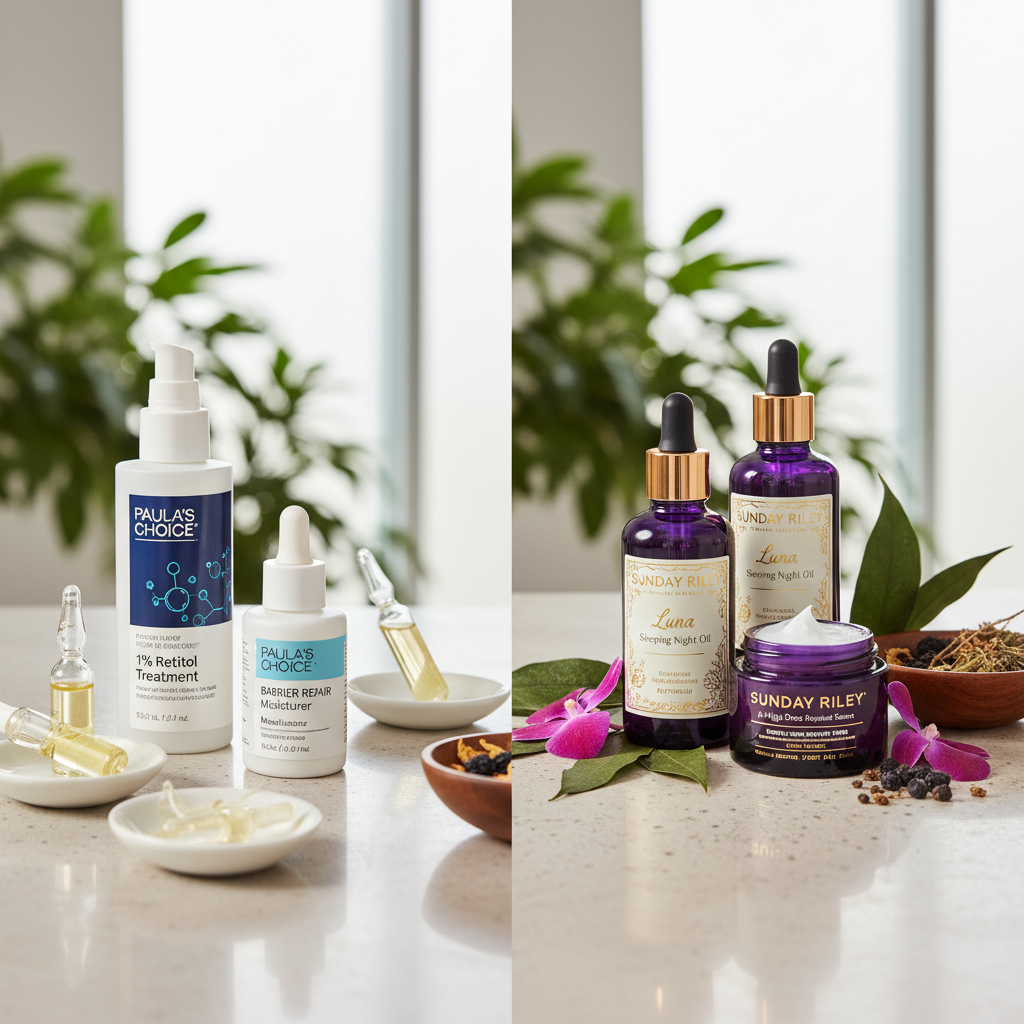
Their flagship is often the Clinical 1% Retinol Treatment, a potent formula designed for experienced retinol users. For those newer to retinoids or with sensitive skin, options like the 0.3% Retinol + 2% Bakuchiol Treatment or the Resist Barrier Repair Advanced Moisturizer with Retinol provide gentler entry points. They often combine retinol with antioxidants like Vitamin C and skin-soothers like peptides to enhance results and minimize side effects.
Sunday Riley: The Luxe, Multi-Tasking Powerhouse
Sunday Riley embodies the prestige end of the skincare spectrum, known for its sophisticated blends, luxurious textures, and often immediate skin-transforming effects. Their retinol offerings are no exception, combining potent retinoids with a rich array of botanical extracts, nourishing oils, and cutting-edge ingredients.
Key Characteristics of Sunday Riley Retinols:
- Multi-Active Blends: Formulas are often packed with numerous active ingredients, including retinoids, botanical oils, and antioxidants.
- Sensory Experience: Products are known for their unique textures, sometimes vibrant colors, and subtle, natural scents.
- Immediate Gratification: Often formulated to deliver visible improvements in radiance and plumpness relatively quickly, alongside long-term benefits.
- Nourishing Bases: Many retinoid products are delivered in oil or rich cream bases, appealing particularly to those with dry or mature skin.
Popular Sunday Riley Retinol Products:
The A+ High-Dose Retinoid Serum is a standout, featuring a 6.5% blend of stabilized retinoid blends and botanical extracts. Another cult favorite is the Luna Sleeping Night Oil, which combines a trans-retinoic acid ester with blue tansy and chamomile to soothe and nourish while you sleep. These products often aim to provide a more comprehensive, “all-in-one” solution, incorporating ingredients like CoQ10 for antioxidant protection and various plant oils for barrier support and a luxurious feel.
How Do Paula’s Choice and Sunday Riley Retinols Compare in Potency and Formulation?
The core difference lies in their approach to formulation. Paula’s Choice tends to be more singular in its focus, delivering a specific concentration of retinol with carefully chosen supporting ingredients to maximize its efficacy and minimize irritation. For instance, their 1% Retinol Treatment is precisely that – 1% retinol, with a strong emphasis on stability and a simple, effective base.
Sunday Riley, conversely, crafts more complex “cocktails.” Their A+ High-Dose Retinoid Serum, for example, boasts a 6.5% retinoid blend, which isn’t 6.5% pure retinol but a combination of different retinoids (like hydroxypinacolone retinoate and encapsulated retinol) alongside a host of other actives. This approach aims for synergy, where multiple ingredients work together to enhance results and provide additional benefits like anti-inflammatory action or antioxidant protection. Their use of oil bases (like in Luna) also significantly impacts the user experience and delivery, often feeling more nourishing and less drying for certain skin types.
In terms of potency, both brands offer effective concentrations. However, Paula’s Choice often provides clearer, single-digit percentages of pure retinol, making it easier to gauge and scale up or down. Sunday Riley’s “blends” can feel more opaque in terms of exact retinol strength, though their overall efficacy is well-regarded by users. Neither brand typically uses prescription-strength tretinoin, ensuring they remain accessible for at-home use without a doctor’s visit.
Which Retinol is Best for Your Skin Type and Concerns?
The “best” retinol isn’t universal; it’s deeply personal. Here’s a breakdown to help you decide:
| Product Category | Key Retinoid Form(s) | Supporting Actives | Best For | Texture/Experience |
|---|---|---|---|---|
| Paula’s Choice Clinical 1% Retinol Treatment | 1% Retinol | Peptides, Vitamin C, Licorice Extract | Experienced retinol users, fine lines, wrinkles, hyperpigmentation, firming | Lightweight lotion/cream, fast-absorbing, no fragrance |
| Paula’s Choice 0.3% Retinol + 2% Bakuchiol Treatment | 0.3% Retinol, Bakuchiol | Peptides, Ceramides, Hyaluronic Acid | Beginners, sensitive skin, mild anti-aging, barrier support | Silky cream, hydrating, gentle, no fragrance |
| Sunday Riley A+ High-Dose Retinoid Serum | 6.5% Retinoid Blend (HPR, Encapsulated Retinol) | CoQ10, Honey, Bisabolol, Hawaiian White Honey | Experienced users seeking multi-tasking, glow-boosting, texture refinement | Creamy serum, rich feel, subtle natural scent |
| Sunday Riley Luna Sleeping Night Oil | Trans-Retinoic Acid Ester | Blue Tansy, Chamomile, Avocado Oil, Chia Seed Oil | Dry/mature skin, sensitive skin (due to soothing oils), redness, uneven tone | Luxurious blue oil, nourishing, calming, natural herbal scent |
| General Entry-Level Retinol (e.g., The Ordinary Granactive Retinoid) | Granactive Retinoid (HPR) | Squalane (often) | First-time retinol users, budget-conscious, minimal irritation focus | Light oil or emulsion, simple, no fuss |
For Oily or Acne-Prone Skin:
Paula’s Choice, with its lighter, often gel or fluid textures and focus on targeted ingredients, might be a better fit. Their formulas are less likely to feel heavy or occlusive, and their emphasis on non-irritating ingredients can be beneficial for reactive, acne-prone skin. The Clinical 1% Retinol Treatment or even their BHA exfoliant paired with a lower strength retinol could be highly effective.
For Dry or Mature Skin:
Sunday Riley’s richer, oil-based retinoids, like the Luna Sleeping Night Oil or the nourishing base of the A+ High-Dose Retinoid Serum, can provide much-needed hydration and comfort. The blend of retinoids with botanical oils helps mitigate dryness, making the experience more pleasant for drier complexions. Paula’s Choice also offers hydrating retinol options, particularly those with ceramides.
For Sensitive Skin:
Both brands offer options, but the approach differs. Paula’s Choice has explicit lower-strength options (like the 0.3% retinol) and prioritizes fragrance-free, minimal formulations to reduce potential irritants. Sunday Riley’s Luna Oil, while potent, is formulated with soothing botanicals that can make it tolerable for some sensitive types, but the complex blends might be too much for others. Always patch test and start with the lowest concentration and frequency, regardless of brand.
For Combination Skin:
This depends on your primary concern. If you’re looking for consistent anti-aging with minimal fuss, Paula’s Choice offers versatile options. If you want a more luxurious experience with added glow-boosting benefits, Sunday Riley could be appealing. You might even consider using different retinols for different areas of your face, or alternating nights.
Tips for Incorporating Retinol Safely and Effectively in 2026
Retinol is a marathon, not a sprint. Patience and proper technique are crucial for success and minimizing irritation.
- Start Low, Go Slow: Begin with a lower concentration (e.g., 0.1% to 0.3%) and use it 2-3 times a week. Gradually increase frequency as your skin builds tolerance.
- Apply to Dry Skin: After cleansing, wait a few minutes for your skin to be completely dry. Applying retinol to damp skin can increase absorption and potential irritation.
- Always Use Sunscreen: Retinol increases skin’s photosensitivity. A broad-spectrum mineral SPF of 30 or higher is non-negotiable every morning, even on cloudy days. Reapplication science in 2026 emphasizes the need for consistent reapplication, especially after sweating or swimming.
- Support Your Skin Barrier: Incorporate hydrating and barrier-repairing ingredients like hyaluronic acid, ceramides, and niacinamide into your routine, especially on nights you don’t use retinol or as a buffer.
- Layer Mindfully: Apply retinol after cleansing and before moisturizer. If you use other strong actives like AHAs (alpha hydroxy acids) or Vitamin C, consider using them on alternate nights or in your morning routine.
- Listen to Your Skin: Redness, excessive peeling, or stinging are signs to reduce frequency or strength. “Purging” (a temporary increase in breakouts) can occur, but severe irritation is not normal.
- Be Consistent: Results take time – typically 3-6 months of consistent use to see significant changes. Don’t give up too soon!
The Dermatologist’s View: What Do Experts Say About At-Home Retinols?
Dermatologists universally endorse retinoids as the gold standard for anti-aging and acne treatment. The consensus in 2026 continues to be that over-the-counter retinols are highly effective, particularly when used consistently and correctly. While prescription tretinoin offers the strongest results, OTC retinols provide excellent benefits with a lower risk of irritation, making them suitable for a broader population.
Experts emphasize the importance of stable formulations and appropriate concentrations. They also highlight that while many brands offer excellent products, the “best” is often the one you can tolerate and use consistently. For those experiencing persistent skin concerns or who are looking for stronger results, a consultation with a board-certified dermatologist is always recommended to discuss prescription options or advanced dermal-grade at-home tools that complement retinol use.
The FDA, while not approving specific cosmetic products, does recognize certain active ingredients for specific claims (e.g., salicylic acid for acne, sunscreens for SPF). Retinol, while not FDA-approved for anti-aging claims in OTC products, is widely recognized by the scientific community and dermatologists for its proven efficacy.
Frequently Asked Questions
Can I use retinol every night?
Eventually, yes, many people can use retinol nightly. However, it’s crucial to build up tolerance gradually. Start with 2-3 times a week and slowly increase frequency as your skin adapts to avoid irritation.
What’s the difference between retinol and retinal?
Both are forms of Vitamin A. Retinol requires two conversion steps in the skin to become retinoic acid (the active form), while retinal (retinaldehyde) only requires one. This makes retinal more potent and faster-acting than retinol, often with results closer to prescription tretinoin but with less irritation, making it a popular choice in 2026 formulations.
Do I need to use a moisturizer with retinol?
Yes, absolutely. A good moisturizer is essential when using retinol to support your skin barrier and counteract potential dryness or irritation. Apply it after your retinol serum, or if you have sensitive skin, you can apply a thin layer of moisturizer first as a buffer.
Can I use Vitamin C with retinol?
Yes, but with caution. Historically, it was advised to separate them due to pH differences, but modern formulations have improved stability. Many dermatologists now suggest using Vitamin C in the morning for antioxidant protection and retinol at night. If you choose to use them together, apply Vitamin C first, wait a few minutes, then apply retinol. However, for sensitive skin, alternating nights is often a safer bet.
How long does it take to see results from retinol?
Patience is key with retinol. While some might notice subtle improvements in texture or radiance within a few weeks, significant changes in fine lines, wrinkles, or hyperpigmentation typically take 3-6 months of consistent use. Full benefits can take up to a year.
Conclusion
Both Paula’s Choice and Sunday Riley offer exceptional retinol products, but they cater to different preferences and skin journeys. Paula’s Choice stands as the reliable, science-first choice for those seeking clear, consistent results with minimal fuss and a strong emphasis on skin health. Sunday Riley appeals to those who desire a luxurious, multi-faceted experience, blending potent retinoids with nourishing botanicals for an immediate glow and a more indulgent routine. Ultimately, the “best” retinol is the one that aligns with your skin’s needs, your tolerance, and your commitment to a consistent, well-supported skincare regimen.