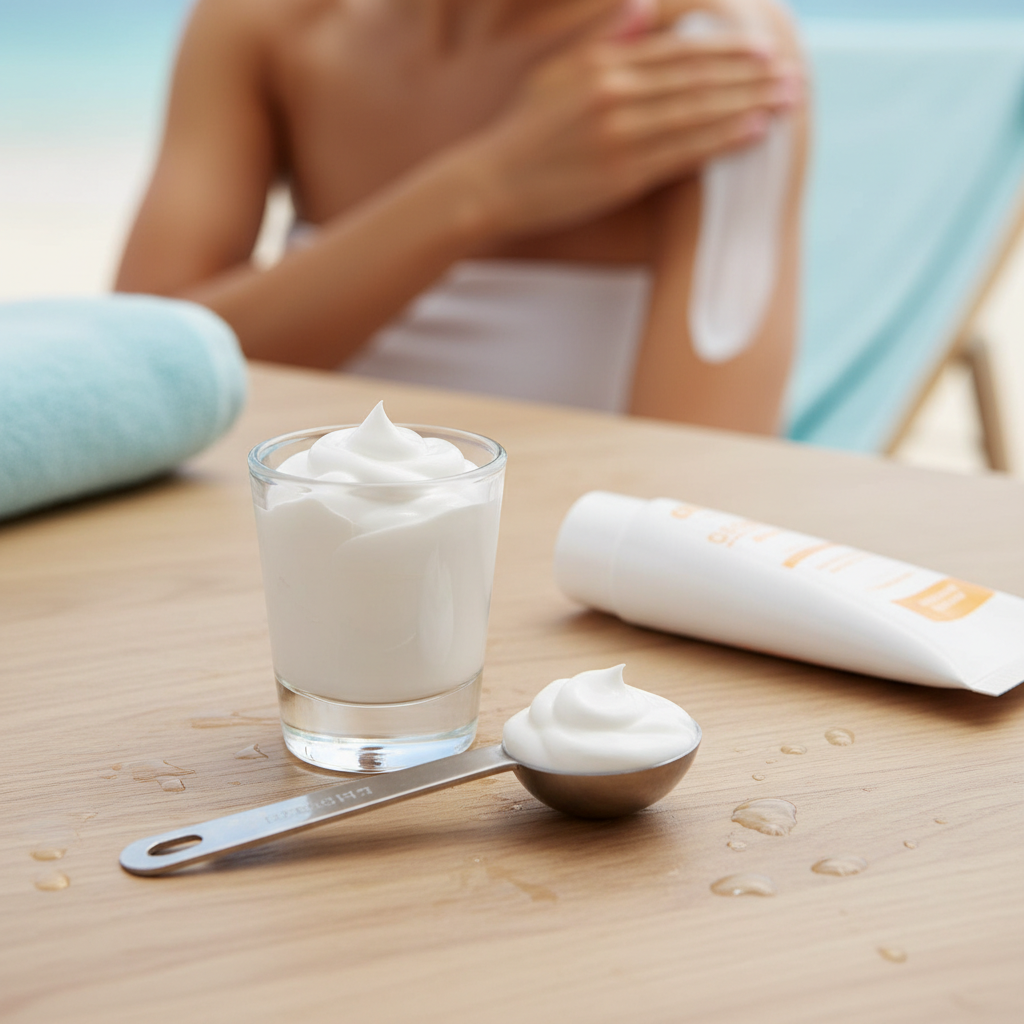
Navigating the intense humidity and heat of Southern US summers requires a strategic pivot in your skincare routine. The ultimate approach prioritizes lightweight, non-comedogenic formulas, robust antioxidant protection, and diligent sun defense, all while strengthening your skin barrier to prevent breakouts, irritation, and premature aging.
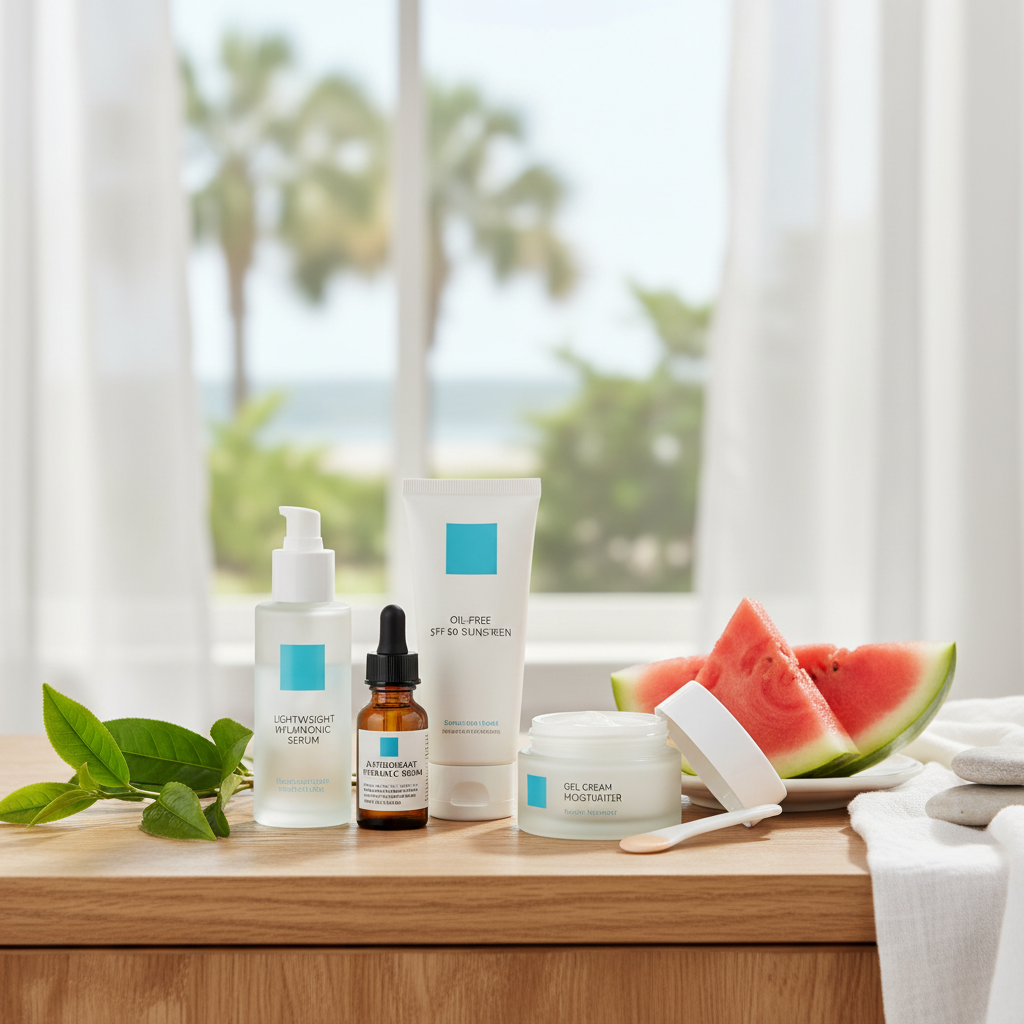
Introduction
For millions of women across the Southern United States, summer isn’t just a season; it’s a profound shift in environmental conditions that profoundly impacts skin health. The relentless combination of high temperatures, oppressive humidity, and intense UV radiation demands a skincare strategy that is both effective and adaptable. Forget heavy creams and occlusive layers; 2026’s smart skincare for the South is all about balance, breathability, and barrier resilience.
Understanding the Southern US Summer Challenge
Before we dive into product recommendations and routine specifics, it’s crucial to understand why Southern summers are so challenging for your skin. The unique climatic conditions create a perfect storm that can lead to increased oil production, clogged pores, dehydration despite humidity, and accelerated sun damage.
Humidity’s Impact on Your Skin
While humidity might seem like it would keep your skin hydrated, it often has the opposite effect. High humidity can paradoxically lead to transepidermal water loss (TEWL) as your skin struggles to regulate its moisture balance. This can result in a compromised skin barrier, making your skin more susceptible to irritation, breakouts, and environmental aggressors. Furthermore, the sticky, moist environment is a breeding ground for bacteria, contributing to congestion and acne.
The Role of UV Radiation
The Southern US experiences some of the highest UV index levels in the country. This intense sun exposure is the primary driver of premature aging, including fine lines, wrinkles, sunspots, and loss of elasticity. More critically, it significantly increases the risk of skin cancer. Protecting your skin from both UVA (aging rays) and UVB (burning rays) is not just a cosmetic choice; it’s a critical health imperative, especially given the increased outdoor activity during summer months.
What’s the best morning skincare routine for humid weather?
Your morning routine in a Southern summer should focus on cleansing, antioxidant protection, lightweight hydration, and comprehensive sun defense. Think layers that feel barely there but offer maximum efficacy.
Step 1: Gentle Cleansing
Start your day with a mild, low-pH cleanser. In humid conditions, your skin may feel oilier, but aggressive cleansing can strip your skin barrier, leading to increased oil production and irritation. Look for gel or foam cleansers that remove overnight impurities without leaving your skin feeling tight or dry.
Step 2: Antioxidant Serum
This is your first line of defense against environmental damage. A high-quality antioxidant serum helps neutralize free radicals generated by UV radiation and pollution, preventing cellular damage and supporting overall skin health.
- Vitamin C (L-Ascorbic Acid): A potent antioxidant that brightens skin, stimulates collagen production, and enhances the effectiveness of your sunscreen. Look for formulations with 10-20% L-Ascorbic Acid for optimal results.
- Ferulic Acid: Often paired with Vitamin C and E, it stabilizes Vitamin C and boosts its photoprotective benefits.
- Vitamin E: Another powerful antioxidant that works synergistically with Vitamin C to protect the skin and provide additional hydration.
Step 3: Lightweight Hydration
Even in humidity, your skin needs moisture. The key is to choose non-comedogenic, breathable formulas that hydrate without feeling heavy or greasy.
- Hyaluronic Acid (HA): A humectant that draws moisture from the air into your skin. Look for serums or gel moisturizers featuring various molecular weights of HA for multi-depth hydration.
- Niacinamide (Vitamin B3): A versatile active that helps strengthen the skin barrier, reduce inflammation, minimize pore appearance, and regulate oil production—a true summer MVP.
- Peptides: Small chains of amino acids that signal the skin to produce more collagen and elastin, improving firmness and elasticity without adding weight.
- Ceramides: Essential lipids that make up a significant portion of your skin barrier. Lightweight lotions or gels with ceramides help reinforce the barrier and prevent moisture loss.
Step 4: Non-Negotiable SPF
This is the most critical step. For Southern summers, a broad-spectrum SPF 30 or higher is non-negotiable. Mineral sunscreens (zinc oxide and titanium dioxide) are often preferred for sensitive skin and tend to be less irritating. Modern formulations are much more elegant, leaving less white cast.
“Dermatologist consensus in 2026 strongly emphasizes mineral SPF for daily broad-spectrum protection, especially for those with sensitive or acne-prone skin in high UV environments. The advancements in micronized zinc oxide have made them incredibly user-friendly.”
Sunscreen reapplication science has evolved. It’s not just about applying once in the morning. For continuous protection, especially with outdoor activity, reapplication every two hours is crucial. Here’s how to make it easier:
- Keep a travel-size stick or brush-on mineral powder SPF in your bag.
- Use a mist SPF over makeup for a quick refresh without disturbing your look.
- Set a reminder on your phone for reapplication breaks, especially on peak UV days.
- Wear wide-brimmed hats and UPF clothing as an additional physical barrier.
- Seek shade during peak sun hours (10 AM – 4 PM).
- Consider a tinted mineral SPF for light coverage and protection in one step.
- Don’t forget areas like ears, neck, and hands – they accumulate sun damage too.
How should I adjust my evening routine for Southern summers?
Your evening routine should focus on thorough cleansing, targeted treatments, and barrier-supporting moisture, allowing your skin to repair and regenerate overnight.
Step 1: Double Cleansing
After a day of sweat, sunscreen, and environmental grime, double cleansing is essential. Start with an oil-based cleanser or balm to dissolve makeup, SPF, and excess sebum. Follow with a gentle water-based cleanser to remove any remaining impurities, ensuring a truly clean canvas for your treatments.
Step 2: Targeted Treatments
This is where you address specific concerns like acne, texture, and signs of aging. In humid conditions, choose formulations that are effective but not overly heavy or occlusive.
- Retinoids (Retinal vs. Retinol): Retinoids are gold standard for anti-aging and acne. In 2026, many are opting for retinaldehyde (retinal), which is a step closer to retinoic acid than retinol, making it more potent and faster-acting with potentially less irritation. Start with a low concentration 2-3 times a week and gradually increase as tolerated. Always apply to dry skin to minimize irritation.
- Salicylic Acid (BHA): An oil-soluble exfoliant that penetrates into pores to dissolve sebum and dead skin cells, making it excellent for oily, acne-prone, and congested skin. Ideal for summer when sweat and oil production are higher. Look for toners or serums with 0.5-2% BHA.
- Alpha Hydroxy Acids (AHAs – Glycolic, Lactic): Water-soluble exfoliants that work on the skin’s surface to improve texture, tone, and hyperpigmentation. Use cautiously in summer due to increased sun sensitivity; always pair with diligent SPF. Lactic acid is generally gentler than glycolic.
- Niacinamide: Can be used in both morning and evening routines. Its barrier-strengthening and anti-inflammatory properties are especially beneficial after a day in the heat.
Step 3: Barrier-Supporting Moisture
Even if your skin feels oily, a light layer of moisturizer is crucial to support barrier function and prevent transepidermal water loss overnight. Look for gel-creams or lightweight lotions rich in ceramides, peptides, and humectants. These ingredients help repair and strengthen your skin barrier, ensuring it can better withstand the next day’s environmental stressors.
Which ingredients truly make a difference in humid conditions?
Choosing the right ingredients is paramount. Here’s a quick comparison of key players that excel in a humid Southern climate:
| Ingredient/Product Type | Why it Works in Humidity | Best For | Considerations |
|---|---|---|---|
| Gel Cleansers | Effectively removes excess oil, sweat, and SPF without stripping, leaving a fresh feel. | All skin types, especially oily/combination. | Ensure it’s sulfate-free to avoid dryness. |
| Niacinamide Serum | Regulates sebum, reduces inflammation, strengthens barrier, minimizes pore appearance. | All skin types, particularly oily, acne-prone, sensitive. | Can be used daily, morning and night. |
| Hyaluronic Acid Serum (Lightweight) | Draws moisture from humid air into skin, providing hydration without heaviness. | All skin types, especially dehydrated or combination. | Layer under a light moisturizer; avoid in very dry climates without occlusion. |
| Mineral SPF 30+ (Lightweight Fluid) | Provides broad-spectrum protection, less irritating, often non-comedogenic. | All skin types, especially sensitive, acne-prone. | Look for micronized zinc oxide to minimize white cast. Reapply diligently. |
| Salicylic Acid (BHA) Toner/Serum | Exfoliates inside pores, reduces blackheads, breakouts, and excess oil. | Oily, acne-prone, congested skin. | Start slowly (2-3x/week) to avoid irritation; always use SPF. |
How do I choose products for my specific skin type in the heat?
While the core principles remain, tailoring your routine to your specific skin type is essential for optimal results and comfort.
Oily/Acne-Prone Skin
Focus on oil control and preventing breakouts. Look for non-comedogenic, oil-free formulas. Salicylic acid is your best friend for exfoliating pores, and niacinamide can help regulate sebum. Mattifying mineral sunscreens are a great choice. Avoid heavy occlusive ingredients that can trap heat and oil.
Dry/Mature Skin
Even dry skin can feel overwhelmed by heavy creams in humidity. Opt for hydrating serums with hyaluronic acid and glycerin, followed by lightweight gel-creams rich in ceramides and peptides. Continue using retinoids for anti-aging, but ensure your moisturizing steps are robust enough to counteract potential dryness, even if light in texture. Focus on barrier support.
Sensitive Skin
Humidity can exacerbate sensitivity. Stick to fragrance-free, minimalist routines. Mineral sunscreens (zinc oxide, titanium dioxide) are generally better tolerated. Niacinamide and ceramides will help strengthen your skin barrier. Introduce new actives very slowly and patch test everything. Avoid harsh physical exfoliants.
Combination Skin
This type requires a balanced approach. You might use a BHA on oilier T-zones and a hydrating serum on drier cheeks. Lightweight, non-comedogenic products are key across the board. Look for products designed to balance oil and hydration without over-drying or over-moisturizing.
Are dermal-grade at-home tools beneficial in summer?
The 2026 landscape of at-home beauty tools offers sophisticated options, but their use in summer, especially in the humid South, requires careful consideration. Microcurrent devices can be used consistently for facial toning, as they don’t impact the skin barrier directly. LED masks (red light for collagen, blue light for acne) are also generally safe and beneficial, offering therapeutic benefits without heat or exfoliation. However, tools involving micro-needling or aggressive exfoliation should be used with extreme caution, if at all, during peak summer. Increased sun exposure and a potentially compromised barrier from heat and sweat make the skin more vulnerable to irritation and hyperpigmentation post-treatment. Always prioritize healing and protection.
Frequently Asked Questions
Q: Can I still use retinol in summer?
A: Yes, you absolutely can, but with extra vigilance. Retinoids can increase sun sensitivity, so it’s paramount to apply them only at night and use a broad-spectrum SPF 30 or higher every single morning, reapplying diligently. If you’re new to retinoids, summer might not be the best time to start; consider waiting until fall. If you’re already a user, you might reduce frequency if your skin feels more sensitive.
Q: What’s the difference between drugstore and prestige products?
A: The primary difference often lies in formulation elegance, ingredient delivery systems, and marketing. Many drugstore brands now offer highly effective, FDA-approved active ingredients (like salicylic acid, benzoyl peroxide, some retinoids) at excellent concentrations. Prestige brands might invest more in unique ingredient complexes, luxurious textures, and sophisticated packaging. Both can be effective; the key is to look at the ingredient list and formulation rather than just the price tag. Dermatologist consensus often supports efficacious drugstore options.
Q: How often should I exfoliate in humid weather?
A: In humid conditions, your skin may benefit from exfoliation to prevent congestion, but moderation is key. For most, 2-3 times a week with a gentle chemical exfoliant (like a BHA or a mild AHA) is sufficient. Over-exfoliating can compromise your skin barrier, leading to irritation and increased sensitivity, which is the last thing you want in the heat and sun. Listen to your skin.
Q: My skin feels sticky, what am I doing wrong?
A: Stickiness often means your products aren’t absorbing properly, or you’re using too many layers, or formulas that are too heavy for the humidity. Re-evaluate your product textures: switch to gel-creams, fluid serums, and lightweight lotions. Apply products to slightly damp skin, allow each layer to fully absorb for a minute or two before adding the next, and ensure your sunscreen is a fast-absorbing, non-greasy formula.
Q: Is sweat bad for my skin?
A: Sweat itself isn’t inherently bad; it’s your body’s natural cooling mechanism. However, when sweat mixes with oil, bacteria, and dead skin cells, it can contribute to clogged pores and breakouts, especially in areas where it’s trapped (like under hats or tight clothing). The best approach is to gently cleanse your skin soon after sweating heavily, especially after workouts, to prevent buildup.
Conclusion
Mastering your skincare routine for the humid Southern US summer is about strategic product selection, diligent application, and a deep understanding of how your skin interacts with its environment. By prioritizing lightweight textures, potent antioxidants, robust barrier support, and unwavering sun protection, you can maintain a healthy, radiant complexion that thrives even in the most challenging conditions. Embrace the heat with confidence, knowing your skin is protected and cared for.